Rock Climbing in Tonsai and Railay: The Ultimate Guide to Routes, Safety, and Local Tips for Climbers
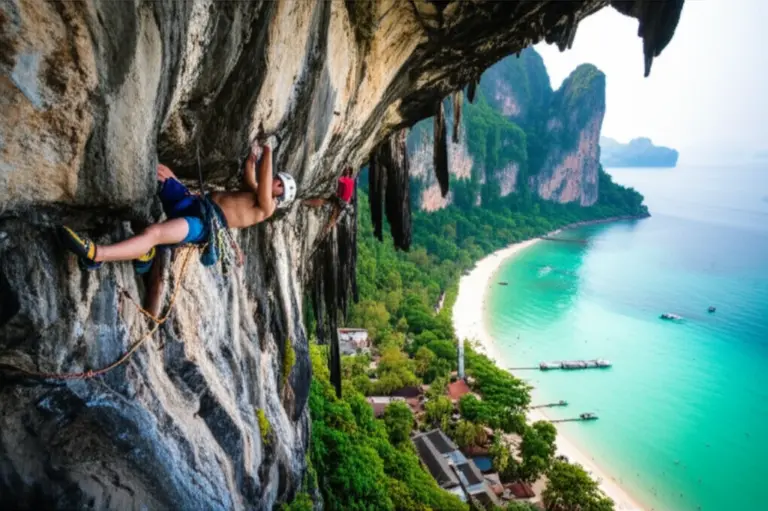
Krabi, Thailand, is home to a world-class climbing destination defined by dramatic limestone karsts jutting out of the turquoise Andaman Sea. For adventure seekers and climbers globally, Tonsai and Railay beaches offer an unforgettable experience. This comprehensive guide provides everything you need to successfully navigate the world of Rock Climbing in Tonsai and Railay, ensuring you maximize your trip while prioritizing safety and local etiquette. Whether you are a seasoned veteran or clipping bolts for the first time, this paradise has a route for you.
The Climbing Paradise: Tonsai vs. Railay
While often grouped together, Tonsai and Railay possess distinct vibes and characteristics. They are separated by a walkable jungle path (or a quick longtail boat ride at high tide), but the atmosphere on each side is unique.
Tonsai Beach: The Climber’s Hub
Tonsai historically catered almost exclusively to climbers, backpackers, and the budget-conscious traveler. Though development has changed the landscape slightly, it remains the spiritual home of Krabi climbing. Here, you’ll find laid-back bars, affordable guesthouses, and climbing shops offering gear and courses. The atmosphere is communal, making it easy to find a climbing partner. Many of the most accessible and classic multi-pitch routes are located directly above Tonsai beach.
Railay Beach: Accessibility and Views
Railay is more polished, divided into Railay West (the main docking point) and Railay East (mangroves and resorts). Railay offers easier access to famous walls like Phra Nang Beach and the Diamond Cave area. It generally attracts a broader tourist base, including families and luxury travelers, but the climbing quality is equally world-class.
Routes and Grades: Where to Climb
The climbing here is primarily bolted sport climbing on highly featured limestone. Grades are typically given in the French system (5a, 6b, 7c, etc.).
Beginner and Intermediate Routes (5a-6b)
If you are new to the area, look for crags that offer ample shade and shorter, less intimidating routes.
- Thaiwand Wall (Tonsai): Offers popular multi-pitch routes in the 6a/6b range, providing breathtaking views.
- Dums Wall (Railay East): Excellent for beginners, featuring many well-bolted 5a to 5c routes.
- One Two Three Wall (Tonsai): Known for its accessibility and a good range of intermediate climbs.
Advanced Routes and Deep Water Soloing (DWS)
For experienced climbers, the area shines with challenging overhangs and the unique thrill of Deep Water Soloing (DWS), where you climb without a rope above the deep sea.
| Activity | Location | Notes |
|---|---|---|
| Sport Climbing (Advanced) | Fire Wall (Tonsai) | Steep, pumpy routes, often 7a and higher. |
| Deep Water Soloing (DWS) | Koh Poda or Koh Yawasam | Requires a guided boat tour. Climbers fall directly into the ocean. Essential Krabi adventure! |
Essential Safety and Gear Tips
Safety must be your top priority. The tropical environment and the nature of limestone climbing introduce specific risks. The bolts are generally well-maintained by the local climbing community, but vigilance is key.
Local Equipment Rental and Checks
Several reputable shops in Tonsai and Railay offer gear rental and guided services. Always inspect rental gear thoroughly—especially ropes and harnesses—for wear and tear caused by the humid climate and saltwater exposure. Hiring a local guide is highly recommended, particularly for multi-pitch routes or DWS trips, as they possess invaluable knowledge of the route conditions and tides.
Seasonal Considerations (Monsoon vs. Dry Season)
The best time to climb is during the dry season (November to April). The monsoon season (May to October) brings heavy rain, making many routes slick and inaccessible. Even in the dry season, afternoon humidity can be intense, so plan to climb early morning or late afternoon when the crags are in the shade.
Local Tips for the Ultimate Experience
To truly immerse yourself in the culture of Krabi climbing, follow these local insights.
Accommodation and Logistics
Accommodation ranges from basic bungalows in Tonsai to luxury resorts in Railay. Tonsai remains the most economical option. For logistics, budget for longtail boat transfers, which operate frequently until sunset. Ensure you have Thai Baht cash, as not all smaller vendors accept card payments.
Respecting the Environment
The beauty of Tonsai and Railay is fragile. Help preserve it by minimizing chalk use, packing out all trash (especially plastic), and respecting local wildlife and the surrounding marine park. Climbing ethics dictate leaving no trace.
Visualizing the Climb
To truly appreciate the scale and beauty of the Krabi climbing experience, watch this short video showcasing the unique environment and routes:
Finding Your Way
Locate the main climbing area centered around Tonsai Beach:
In conclusion, Rock Climbing in Tonsai and Railay offers a perfect blend of challenging sport routes, stunning scenery, and a vibrant community spirit. Prepare thoroughly, climb safely, and enjoy one of the world’s most breathtaking adventure travel destinations.
คำถามที่พบบ่อย (FAQ)
References
Official Thailand Climbing Guidebook and Resources
Lonely Planet Guide to Railay Beach