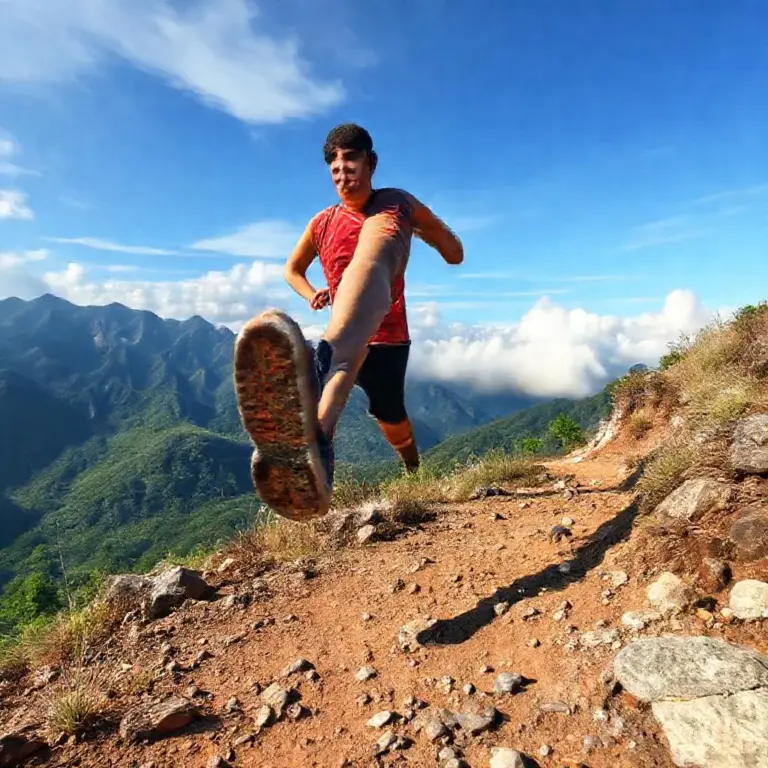
Training and gear recommendations for Mae Chan terrain — specific training plans, elevation and surface considerations, nutrition, and essential trail-running equipment
Welcome, adventurous traveler! Mae Chan, nestled in the northern reaches of Chiang Rai province, offers some of Thailand’s most demanding and rewarding trail running experiences. Unlike the flat coastal routes, Mae Chan presents true mountain ascents, technical single-track, and dramatic elevation changes. Success here requires more than just fitness; it demands specific preparation. This comprehensive guide delivers the expert advice you need on Training and gear recommendations for Mae Chan terrain, ensuring you are ready to tackle the jungle humidity, steep climbs, and rugged surfaces with confidence and safety.
Understanding the Mae Chan Trail Environment
To train effectively for Mae Chan, you must first understand its unique challenges. This region is characterized by subtropical highland climate, dense forest cover, and the remnants of old logging trails mixed with natural animal paths. This demands a holistic approach to preparation.
Elevation and Surface Considerations
The primary differentiator for Mae Chan trails is the sustained vertical gain. While specific race courses vary, expect continuous climbs often exceeding 800-1000 meters over relatively short horizontal distances. This translates to power hiking segments being crucial.
Surface Profile:
- Mud and Slipperiness: During the rainy season (May to October), clay-heavy soil becomes notoriously slick, demanding precise foot placement.
- Rocky Sections: Many higher-altitude trails feature exposed limestone or volcanic rock, requiring ankle stability.
- Root Systems: Dense jungle means constant navigation over large, often hidden, tree roots.
- Steep Gradients: Expect sustained pitches that force a transition from running to power hiking.
Specific Training Plans for Mae Chan
A successful runner tackling the demanding Training and gear recommendations for Mae Chan terrain must integrate vertical training, heat acclimatization, and technical handling drills into their weekly schedule.
Phase 1: Base Building (8-12 Weeks Out)
Focus on increasing overall weekly mileage, ensuring at least 50% of runs are on varied surfaces (grass, gravel, gentle hills).
Phase 2: Specificity and Strength (4-7 Weeks Out)
This phase mimics the effort required in Northern Thailand:
- Hill Repeats: Find the steepest hill available. Run hard uphill for 3-5 minutes, walk/jog down for recovery. Repeat 6-10 times.
- Back-to-Back Long Runs: Run a moderate distance Saturday, followed by a slightly shorter, slower run on Sunday. This simulates running on tired legs, common in multi-day trekking or ultra-events.
- Heat Training: If possible, run during the hottest part of the day to condition your body for tropical humidity.
Phase 3: Tapering (1-3 Weeks Out)
Reduce volume significantly (by 40-60%) while maintaining intensity with short, sharp bursts. Rest and focus on hydration and carbohydrate loading.
Video Guide to Uphill Running Technique
To visualize the proper form for sustained ascents, especially crucial for Mae Chan’s steep sections, watch this technique breakdown:
- Mae Chan Trail Run: The Ultimate Guide for Runners — What to Expect, How to Prepare, and Local Tips for Race Day
- What is the Mae Chan Trail Run and who participates? — race types, distances, difficulty levels, typical participant profiles, and best seasons to run
- How to plan your trip and register — course maps, registration process, travel and accommodation options in Mae Chan, and permit/fee details