Choosing a guide, course, or rental gear — safety considerations, certified instructors, and checklist for what to bring
- Choosing a guide, course, or rental gear — safety considerations, certified instructors, and checklist for what to bring
- Navigating Your Thailand Adventure: Guide, Course, or Rental?
- Prioritizing Safety: Key Considerations for Thailand Adventures
- Your Essential Thailand Adventure Checklist: What to Bring
- Making an Informed Decision for Your Thai Journey
- คำถามที่พบบ่อย (FAQ)
- How do I verify a guide’s certification in Thailand?
- What are common safety risks in Thailand adventures?
- Is travel insurance necessary for adventure activities in Thailand?
- How can I ensure rental gear is safe to use?
Thailand, with its stunning landscapes, vibrant culture, and thrilling activities, is a magnet for adventurers. From the pristine beaches of the south to the lush jungles of the north, the Kingdom offers countless opportunities for exploration. However, ensuring your Thailand adventure safety should always be your top priority. Whether you’re planning to trek through ancient forests, dive into coral reefs, or scale limestone karsts, making informed decisions about guides, courses, and rental gear is crucial for a safe and unforgettable experience.
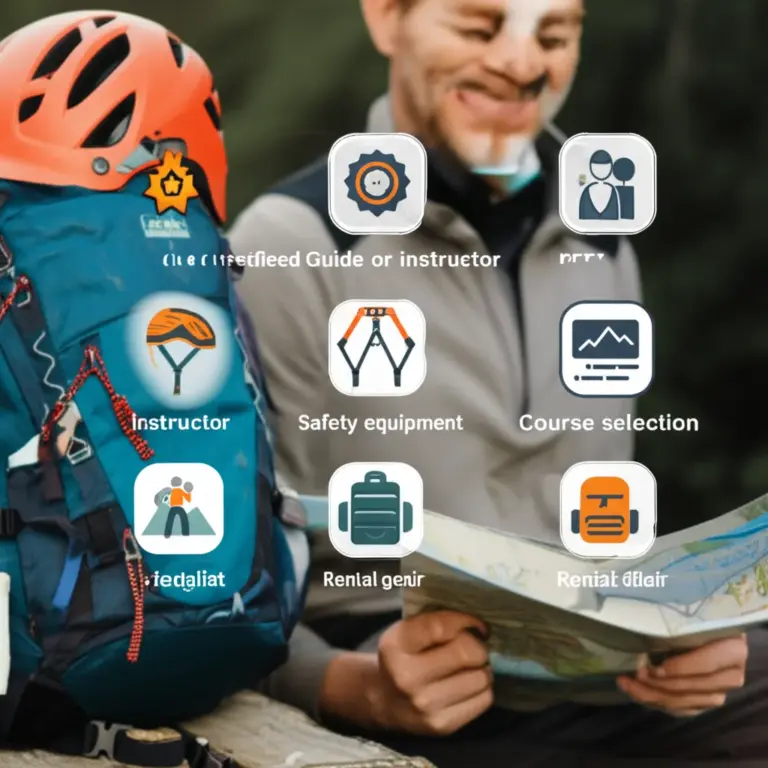
Deciding between hiring a guide, enrolling in a course, or simply renting gear depends largely on your experience level, the activity, and your desire for independence. Each option comes with its own set of advantages and safety considerations.
The Allure of a Certified Guide
For complex activities like multi-day treks, rock climbing, or cave exploration, a certified guide is often indispensable. They offer local expertise, navigate challenging terrain, understand weather patterns, and can provide crucial assistance in emergencies. A good guide enhances both safety and the overall experience by sharing cultural insights and hidden gems.
Benefits of a Structured Course
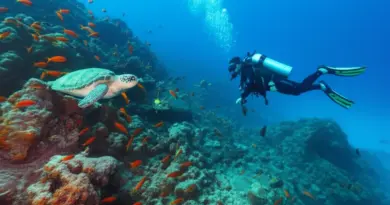
If you’re looking to acquire new skills or formal certification (e.g., PADI Open Water Diver, rock climbing fundamentals), enrolling in a course is the way to go. Courses provide structured learning, often with smaller instructor-to-student ratios, and ensure you learn proper techniques and safety protocols from the ground up. This is particularly vital for activities with inherent risks.
Freedom with Rental Gear
For more straightforward activities like snorkeling, kayaking, or motorbiking, renting gear offers flexibility and cost-effectiveness. However, this option places the onus of safety squarely on you. It’s imperative to thoroughly inspect rental equipment and ensure you possess the necessary skills for the activity.
Prioritizing Safety: Key Considerations for Thailand Adventures
Regardless of your chosen path, understanding and implementing key safety considerations is paramount for any Thailand adventure safety plan. This section delves into the critical aspects of vetting operators, instructors, and equipment.
Vetting Certified Instructors and Operators
The qualifications of your instructor or guide directly impact your safety. Always look for:
- **Recognized Certifications:** For diving, look for PADI, SSI, NAUI. For climbing, UIAA or equivalent. Trekking guides should have first-aid certification and local knowledge.
- **Experience:** Inquire about their experience in the specific activity and region.
- **Language Skills:** Ensure clear communication in a language you understand.
- **Reputation & Reviews:** Check online reviews (TripAdvisor, Google) and ask other travelers.
- **Company Licensing & Insurance:** Reputable operators should be registered with the Tourism Authority of Thailand (TAT) and have appropriate insurance coverage for their activities.
Understanding Safety Standards and Certifications
Don’t hesitate to ask about the safety protocols in place. A professional operator will be transparent about their standards.
| Activity | Key Certifications / Standards to Look For | Safety Aspect |
|---|---|---|
| **Diving** | PADI, SSI, NAUI, CMAS | Equipment maintenance, dive master ratios, emergency oxygen, boat safety. |
| **Rock Climbing** | UIAA (International Climbing and Mountaineering Federation) safety standards, certified instructors. | Anchor points, rope condition, helmet use, belay techniques. |
| **Trekking / Jungle Tours** | First Aid/CPR certification for guides, local knowledge, responsible tourism practices. | Emergency communication, trail conditions, wildlife awareness, group size. |
| **Water Sports (Kayaking, Snorkeling)** | Life jacket availability, clear safety briefings, designated safe zones. | Weather conditions, currents, proper fitting equipment. |
Assessing Rental Gear Quality and Maintenance
When renting gear, a thorough inspection is non-negotiable. Don’t be shy about checking everything before you commit.
- **Visual Inspection:** Look for visible wear and tear, cracks, fraying, or rust.
- **Functionality Check:** Test moving parts, buckles, straps, and safety mechanisms.
- **Fit:** Ensure the gear (e.g., life vest, helmet, harness) fits you properly.
- **Maintenance Records:** For critical gear like diving regulators or climbing ropes, inquire about their last service date.
- **Cleanliness:** Equipment should be clean and well-maintained.
Your Essential Thailand Adventure Checklist: What to Bring
A well-packed bag can make all the difference in an adventure. Here’s a general checklist, adaptable to your specific activity:
Personal Safety Items
- Small personal first-aid kit (band-aids, antiseptic wipes, pain relievers)
- Any personal medications (with doctor’s note if necessary)
- Insect repellent (essential in jungle areas)
- Sunscreen (high SPF), hat, and sunglasses
- Whistle (for emergencies)
Clothing and Footwear
- Lightweight, quick-drying clothing
- Appropriate footwear for the activity (hiking boots, water shoes, sturdy sandals)
- Rain jacket or poncho (especially during rainy season)
- Extra socks
Health and Hydration
- Reusable water bottle (stay hydrated in Thailand’s heat!)
- Energy-boosting snacks
- Hand sanitizer
Documentation and Communication
- Copies of passport, visa, and flight tickets
- Travel insurance details
- Fully charged mobile phone and power bank
- Offline maps or a physical map
- Local currency (Baht) in small denominations
Making an Informed Decision for Your Thai Journey
Your adventure in Thailand promises incredible memories. By taking the time to research, ask questions, and prioritize safety, you can ensure those memories are positive ones. Whether you choose the wisdom of a certified guide, the structure of a course, or the independence of rental gear, remember that responsible choices lead to the most rewarding experiences. Embrace the beauty of Thailand, but always do so with preparedness and an awareness of your surroundings.
คำถามที่พบบ่อย (FAQ)
References
- Tourism Authority of Thailand (TAT) Official Website
- PADI (Professional Association of Diving Instructors)
- World Nomads: Thailand Travel Safety Guide
- Rock climbing at Railay Beach: The ultimate guide for beginners, advanced climbers, and adventure planners
- Why Railay Beach is a world-class rock climbing destination — best seasons, how to get there, and what to expect
- Top climbing sectors and routes at Railay — detailed breakdown of Phra Nang, Tonsai, and West Railay with difficulty, approach, and route highlights