Renting a motorbike in Thailand: essential licenses, deposits, and safety checks you must know
Exploring the winding coastal roads of Phuket or the mountainous curves of Mae Hong Son on two wheels is a dream for many travelers. However, renting a motorbike in Thailand requires more than just a sense of adventure. To avoid heavy fines, legal trouble, or dangerous accidents, you must understand the local regulations and safety protocols before you twist the throttle.
Understanding Legal Requirements and Licenses
One of the biggest misconceptions among tourists is that a standard home country car license is sufficient. In Thailand, the law is very specific. To legally ride, you must possess a valid motorcycle license from your home country along with an International Driving Permit (IDP) that specifically covers motorcycles (Category A).
The Rental Process: Deposits and Documents
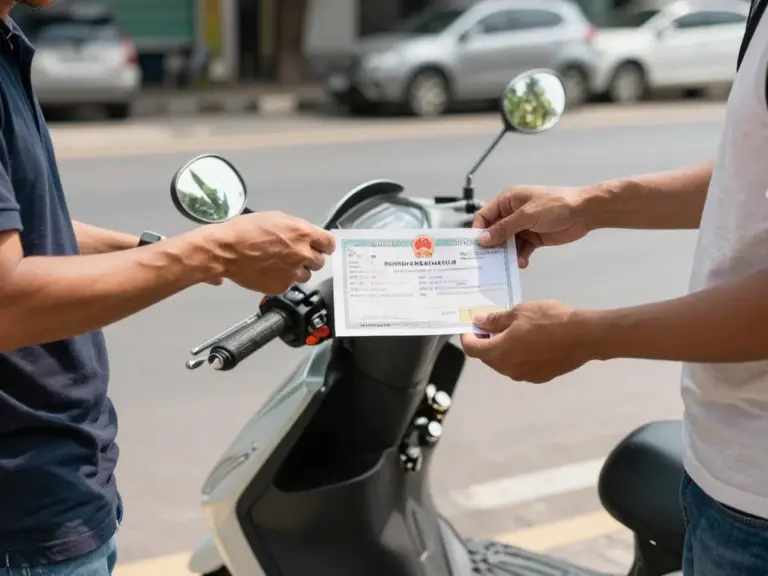
When you find a rental shop, you will typically be asked for two things: a form of identification and a deposit. Most shops will ask to keep your original passport.
However, it is highly recommended to never leave your original passport with a rental agency. Instead, offer a high-quality photocopy and a cash deposit (usually ranging from 3,000 to 5,000 THB depending on the bike’s value). This protects you from being held ‘hostage’ over minor scratches or disputed damages when returning the vehicle.
| Bike Type | Typical Daily Rate | Security Deposit |
|---|---|---|
| Scooter (110cc – 125cc) | 150 – 300 THB | 3,000 THB |
| Big Scooter (150cc – 300cc) | 500 – 800 THB | 5,000 THB |
| Manual/Touring Bike | 1,000+ THB | 10,000+ THB |
Essential Pre-Ride Safety Checks
Before you drive away, you must perform a thorough inspection of the bike. This isn’t just for safety; it’s to protect your deposit. Use your phone to take a video walking around the entire bike, highlighting any existing scratches, dents, or cracked mirrors.
- Brakes: Test both the front and rear brakes for responsiveness.
- Tires: Check for adequate tread depth and ensure they aren’t under-inflated.
- Lights: Verify that the headlights, indicators, and brake lights are working.
- Fuel: Note the fuel level; most shops require you to return it with the same amount.
Safety on Thai Roads
Thailand has one of the highest road traffic fatality rates in the world. As a visitor, you must adapt to local driving habits. Remember that in Thailand, traffic moves on the left side of the road.
Always wear a helmet—it is the law, and it saves lives. Avoid ‘sand traps’ on the edges of the road, and be extremely cautious during the monsoon season when roads become incredibly slippery. Never consume alcohol before riding; the combination of unfamiliar roads and impaired judgment is often fatal.
คำถามที่พบบ่อย (FAQ)
Can I rent a motorbike with just my home country car license?
No. To be legal and covered by insurance, you need a motorcycle license and an International Driving Permit (IDP) with a motorcycle endorsement.
What should I do if the police pull me over?
Remain polite, show your license and IDP. If you are fined for a violation, the officer will usually issue a ticket which you pay at the local police station, though some roadside fines are common in certain areas.
Is insurance included in the rental price?
Basic government insurance (Por Ror Bor) is usually included, but it only covers minimal medical expenses. It does not cover damage to the bike or theft. You should ensure your personal travel insurance covers motorcycle riding.
Should I give the rental shop my original passport?
It is best practice to provide a photocopy and a cash deposit instead. Giving up your passport can lead to complications if there is a dispute over damages.
What kind of fuel should I use?
Most scooters in Thailand use Gasohol 91 or 95. Look for the stickers on the bike or ask the rental agent for clarification.
References
Tourism Authority of Thailand (TAT) Newsroom
Department of Land Transport Thailand
- What licenses and documents are legally required (and accepted) for tourists renting a motorbike in Thailand
- How much deposit should you expect, deposit payment methods, and tips to avoid unfair holds
- Pre-rental safety checklist: bike inspection, helmet quality, insurance, and test-ride best practices