Safety, Gear, and Local Guiding — Equipment, Weather Hazards, Rescue Options, and Hiring Instructors
- Safety, Gear, and Local Guiding — Equipment, Weather Hazards, Rescue Options, and Hiring Instructors
The exotic beauty and thrilling landscapes of Thailand make it a premier destination for adventure tourism, from deep jungle treks in the North to world-class diving in the South. However, embracing the unknown requires meticulous preparation, especially concerning safety, gear, and local expertise. This guide provides essential information for tourists seeking high-quality, secure adventures, focusing specifically on **Thailand adventure safety and guiding**. By prioritizing proper equipment, understanding regional hazards, and utilizing certified local guides, you can ensure your Thai experience is unforgettable for all the right reasons.
Essential Safety Gear for Thai Adventures
Proper equipment is the foundation of any safe adventure. While Thailand is generally affordable, skimping on quality gear can lead to unnecessary risks, especially when dealing with high humidity and unpredictable terrain.
Personal Equipment Checklist
| Item | Why It’s Essential in Thailand |
|---|---|
| High-SPF Sunscreen | Intense equatorial sun exposure is a major health risk. |
| DEET Insect Repellent | Crucial for protection against mosquitoes carrying dengue fever and malaria (in certain rural areas). |
| Water Purification Tabs/Filter | Reduces plastic waste and ensures safe drinking water during treks. |
| Basic First Aid Kit | Includes antiseptic wipes, blister treatment, and rehydration salts. |
| Quick-Drying Footwear | Essential for coping with sudden rain and frequent water crossings. |
Never rely solely on mobile signal, especially in mountainous or remote island areas. A physical map or a reliable offline GPS app (downloaded and tested beforehand) is mandatory. Furthermore, ensure your phone is equipped with a local SIM card (easily acquired upon arrival) for reliable contact with guides or emergency services.
Thailand’s climate is tropical and highly seasonal, presenting distinct challenges depending on when and where you travel. Ignoring these patterns is one of the biggest risks tourists take.
Understanding the Seasons (Monsoon, Hot, Cool)
- **Monsoon/Wet Season (July–October):** Expect heavy, frequent rainfall, especially in the South. This drastically increases the risk of flash floods, makes trekking trails slippery and dangerous, and can lead to ferry cancellations.
- **Hot Season (March–June):** Temperatures can soar above 40°C. The primary risk is heatstroke and severe dehydration. Schedule strenuous activities for early mornings and late afternoons.
- **Cool Season (November–February):** While the most pleasant time to visit, cooler temperatures in the North (Chiang Mai, Chiang Rai) can still pose risks if travelers are unprepared for cold nights in the mountains.
Flash Floods and Maritime Safety
During the monsoon, flash floods are a real danger in national parks and cave systems. Always heed warnings from park rangers and local authorities. When traveling by sea, only use licensed operators, ensure life vests are available and accessible, and check weather forecasts rigorously before booking island excursions. Never attempt to swim or dive in areas with strong currents or storm warnings.
The Value of Local Guiding and Instruction
Why Hire a Certified Thai Guide?
Local guides possess invaluable knowledge of microclimates, wildlife behavior, dangerous terrain, and cultural norms that no guidebook can replicate. They are typically certified by the Department of Tourism and are trained in emergency response specific to the region. They know which trails are safe after heavy rain and can communicate effectively with local rescue teams.
Vetting and Hiring Instructors (Diving, Climbing, Trekking)
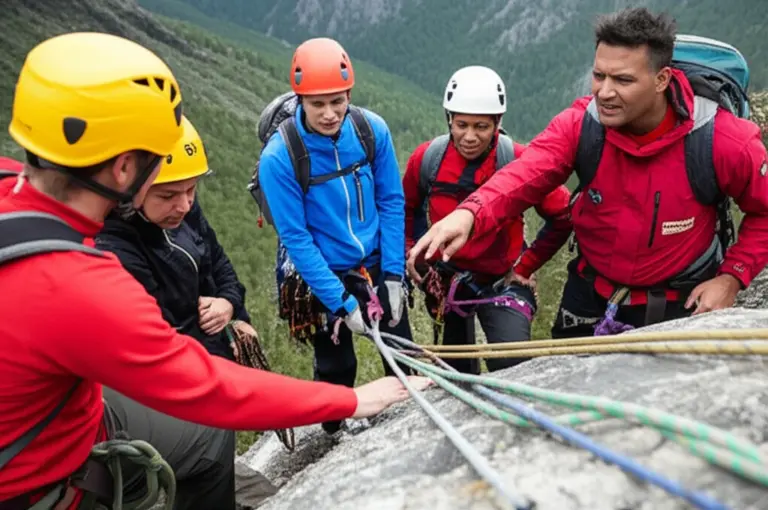
When booking specialized activities like PADI diving courses in Koh Tao or rock climbing in Krabi, verify the instructor’s credentials. Look for internationally recognized certifications (e.g., PADI, CMAS for diving; UIAA or equivalent for climbing). Ensure the equipment provided is modern, well-maintained, and regularly inspected. Never choose an operator based solely on the lowest price.
Emergency Protocols and Rescue Options
Travel Insurance and Documentation
Comprehensive travel insurance is non-negotiable for adventure tourism in Thailand. Ensure your policy explicitly covers the specific activities you plan to undertake (e.g., high-altitude trekking, scuba diving). Keep digital and physical copies of your policy, passport, visa, and emergency contacts separate.
Local Emergency Services (Police, Tourist Police, Hospitals)
Knowing the correct numbers can save critical time. While the standard emergency number is 191, the Tourist Police (1155) are often better equipped to assist foreigners, offering English-speaking support and mediation. Thailand boasts excellent private hospitals in major cities like Bangkok and Chiang Mai, but remote areas rely on smaller, often less well-equipped, provincial hospitals.
Responsible Tourism and Cultural Sensitivity
Safety extends beyond personal well-being to the environment and the local communities. Always practice ‘leave no trace’ principles in national parks. When interacting with local tribes or religious sites, dress modestly and ask permission before taking photographs. Responsible tourism ensures that the beautiful places you visit remain sustainable for future generations of adventurers.
By combining essential gear, knowledge of weather patterns, robust insurance, and the expertise provided by certified local guides, you are fully prepared to tackle the diverse and exciting challenges that Thai adventure tourism offers. Prioritizing safety allows you to focus on the magnificent experience ahead.
คำถามที่พบบ่อย (FAQ)
References
- Tourism Authority of Thailand Official Website
- U.S. Department of State Travel Advisories for Thailand