How to Plan Your Trip — Getting There, Accommodation, Permits, and Best Times to Climb
- How to Plan Your Trip — Getting There, Accommodation, Permits, and Best Times to Climb
Planning an international adventure, especially one focused on high-quality sport climbing, requires meticulous preparation. For climbers worldwide, Thailand—specifically the dramatic limestone karsts of Krabi province—is a bucket-list destination. This comprehensive guide details every aspect of your Thailand climbing trip planning, covering logistics from arrival and lodging to permits and seasonal considerations, ensuring your focus remains on the breathtaking routes and stunning beaches.
Choosing Your Destination: Railay and Tonsai
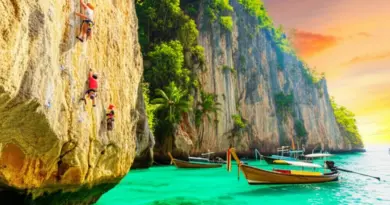
While Thailand boasts many beautiful areas, the limestone cliffs accessible from Railay Beach (Rai Leh) and Tonsai Beach are the epicenters of the climbing scene. These two beaches are separated by a short jungle walk or a quick paddle, but their atmosphere differs significantly.
Railay West vs. Tonsai Beach
- Railay: Offers a mix of luxury resorts, mid-range accommodation, and popular restaurants. It is family-friendly and highly accessible, drawing a mix of tourists and climbers. Routes are easily reached via short walks.
- Tonsai: Historically the domain of dirtbag climbers and budget travelers. While development has increased, it still features rustic bungalows, relaxed bars, and a strong community feel. It’s often cheaper but requires a bit more effort to access.
The Climbing Style and Experience
The climbing here is predominantly bolted sport climbing on highly featured, often stalactite-laden limestone. Grades range from beginner-friendly 5s up to challenging 8s. Beyond standard sport routes, Thailand is famous for its Deep Water Soloing (DWS), where climbers ascend unroped over deep water, offering a thrilling alternative to traditional climbing. Reputable local guiding shops, such as those found on Railay East, offer DWS tours and rental gear.
The Logistics of Getting There (Getting There)
Reaching the Krabi peninsula is straightforward, but Railay and Tonsai are unique in that they are completely cut off from the mainland by massive cliffs, meaning all access is strictly by boat.
Flying into Krabi (KBV)
The most common entry point is Krabi International Airport (KBV), which receives domestic flights from Bangkok and international flights from select regional hubs. From KBV, you will take a taxi or shared minivan to the pier. The most common pier used to reach Railay is Ao Nang Pier, though some services may depart from Krabi Town.
The Final Leg: Longtail Boats
Once at the pier, you must purchase a ticket for a traditional Thai longtail boat. These boats are the only way to reach Railay West, Railay East, or Tonsai. Tickets are typically purchased at a designated booth. Note that during low tide, boats cannot pull directly onto the beach, and you may be required to wade through shallow water to reach the shore—pack accordingly!
Accommodation: Where to Stay and Budget
Accommodation options cater to all budgets, from basic fan-cooled rooms to stunning beachfront villas. Your choice will significantly impact the overall cost of your Thailand climbing trip planning.
Budget-Friendly Bungalows (Tonsai)
Tonsai is ideal for climbers looking to minimize costs. Simple, rustic wooden bungalows, often equipped only with a fan and mosquito net, can be found for very reasonable prices. These places foster a great sense of community, often featuring communal eating areas and gear-sharing boards.
Mid-Range Resorts (Railay East/West)
Railay East, despite being muddier due to mangroves, hosts several excellent mid-range hotels. Railay West, facing the sunset, offers the most luxurious options. Air conditioning, swimming pools, and hot water are standard amenities here.
Pre-booking vs. Walk-in
During the high season (November to February), pre-booking is highly recommended, especially if you are traveling with a group or require specific amenities. Outside of this period, walk-ins, particularly in Tonsai, often yield better deals.
Permits, Fees, and Safety Considerations (Permits)
While the majority of climbing areas in Krabi do not require a specific climbing permit, understanding entry requirements and local fees is crucial for smooth travel.
National Park Fees (Potential changes)
Some areas adjacent to Railay, particularly Phra Nang Cave Beach, are part of Hat Noppharat Thara–Mu Ko Phi Phi National Park. While climbing itself may be outside the fee collection points, accessing certain scenic viewpoints or beaches might incur a small, one-time national park entry fee (usually a few hundred Thai Baht). Always carry some cash for unforeseen local fees.
Visa and Entry Requirements
Most Western travelers benefit from a 30-day visa exemption upon entry into Thailand (for air travel). If you plan an extended climbing trip, you must apply for a tourist visa beforehand, which typically grants a 60-day stay. Always check the official Thai Embassy website for the latest requirements based on your nationality.
Climbing Insurance and Safety
Timing is Everything: Best Times to Climb
The success and enjoyment of your trip are heavily dependent on the weather. Thailand has three main seasons, and knowing them is vital for optimal climbing conditions.
High Season (November – February)
This is the absolute best time to climb. The weather is relatively cool (by Thai standards), dry, and sunny. Expect temperatures in the high 70s to low 80s F (25-30°C). The drawback is that this is peak tourist season, meaning higher prices, crowded beaches, and queues for popular routes.
Shoulder Season and Low Season (Heat/Rain)
| Season | Months | Conditions | Climbing Advice |
|---|---|---|---|
| Shoulder | March – April | Extremely hot and humid. | Climb early morning or late afternoon; focus on shaded routes. |
| Low (Monsoon) | May – October | Heavy, frequent rainfall; high humidity. | Lower prices, fewer tourists, but routes may be wet and inaccessible for days. |
If you are flexible, the beginning of November or the end of February offers a great balance of decent weather and fewer crowds. Regardless of the season, always seek out the walls that are in the shade to maximize your climbing time.
Essential Gear and Packing List
While you can rent gear locally, bringing your own ensures quality and fit. Given the high humidity, quick-drying materials are essential.
Tropical Climbing Gear Checklist
- Rope: A 60m or 70m rope is standard.
- Quickdraws: Bring 12–15 quickdraws. Consider using stainless steel or galvanized steel carabiners due to the corrosive salt air.
- Harness and Shoes: Lightweight, well-ventilated gear is best.
- Chalk Bag: Use specialized tropical chalk or chalk ball inserts to manage moisture.
- Sun Protection: High-SPF sunscreen, wide-brimmed hat, and light long sleeves for the walk-ins.
To help visualize the stunning environment and the types of routes you will encounter, here is a helpful video guide:
คำถามที่พบบ่อย (FAQ)
We address common questions about Thailand climbing trip planning to help finalize your preparations.
Do I need to bring my own climbing gear to Thailand?
While rental gear is widely available in Railay and Tonsai, especially for beginners and guided tours, experienced climbers should bring their own essential gear (shoes, harness) for comfort and reliability. Ropes and quickdraws can be bulky, so renting them locally can save luggage space, but quality may vary.
Is Railay Beach accessible by road?
No. Railay Beach and Tonsai Beach are located on a peninsula that is completely inaccessible by road due to the high limestone cliffs separating it from the mainland. The only way to reach these destinations is via a longtail boat from Ao Nang or Krabi Town.
What is the currency used in Krabi, and do I need cash?
The currency is the Thai Baht (THB). While many mid-range and luxury establishments in Railay West accept credit cards, smaller vendors, longtail boat operators, and budget bungalows (especially in Tonsai) operate on a cash-only basis. It is essential to carry enough cash for daily expenses and boat fares.