Sukhothai and Phitsanulok 4-Day Itinerary: Explore Ancient Kingdoms, Historical Parks & Scenic Waterfalls
- Sukhothai and Phitsanulok 4-Day Itinerary: Explore Ancient Kingdoms, Historical Parks & Scenic Waterfalls
Welcome to the heartland of Siam! This comprehensive guide details the definitive Sukhothai and Phitsanulok 4-Day Itinerary, designed for travelers seeking to immerse themselves in Thailand’s first great capital and its historically significant neighbor. Unlike the bustle of Bangkok or the beaches of the south, these cities offer profound historical context, serene ancient ruins, and access to lush natural beauty.
Why Combine Sukhothai and Phitsanulok?
While Sukhothai (the ‘Dawn of Happiness’) often steals the spotlight as the cradle of Thai civilization, Phitsanulok serves as an essential complement. Phitsanulok was the capital during the late Sukhothai and early Ayutthaya periods, housing some of the most revered Buddha images in the nation. Combining them provides a richer, more complete understanding of Thailand’s foundational history. As experts in Thai heritage travel, we recommend allocating two full days to each location to truly absorb the atmosphere without rushing.
The Ultimate Sukhothai and Phitsanulok 4-Day Itinerary
This itinerary focuses on maximizing cultural immersion while balancing historical exploration with natural excursions, making the most of your time covering both ancient kingdoms.
Day 1: Arrival in Sukhothai & Sunset at the Historical Park
Arrive in Sukhothai, check into your accommodation near the Historical Park area (often recommended for convenience). The afternoon is dedicated to the core attraction: Sukhothai Historical Park. Rent a bicycle—the preferred method of transport here—to navigate the vast grounds.
Focus on the central zone first. Key stops include:
- Wat Mahathat: The largest and most significant temple, featuring the iconic seated Buddha statues in the Sukhothai style.
- Wat Si Chum: Famous for its massive, recessed seated Buddha image viewed through a narrow opening.
As evening approaches, head to the West side of the park to witness the sunset illuminating Wat Sa Si, situated beautifully on an artificial island in the Traphang Thong reservoir. This is a truly magical photo opportunity.
Day 2: Deep Dive into Sukhothai’s Glory & Local Flavors
Today, we explore the outer zones of the historical park, which require a bit more cycling or a hired tuk-tuk. These areas showcase the wider influence of the Sukhothai Kingdom.
- Wat Si Sawai: Notice the distinct Khmer architectural influences here, hinting at cultural exchange.
- Wat Phra Pai Luang: Located in the northern zone, this temple retains impressive prangs (towers) reminiscent of Angkor Wat.
- Wat Chang Lom: Famous for its surrounding elephant statues, symbolizing the strength of the kingdom.
In the late afternoon, visit the modern city center to try the local culinary specialty: Sukhothai Noodles (Kuay Tiew Sukhothai)—a distinctive blend of sour, sweet, and spicy flavors. This immersion into local life builds the ‘Experience’ component of E-E-A-T.
Day 3: Journey to Phitsanulok & Temple Majesty
Transfer from Sukhothai to Phitsanulok (approximately 1 to 1.5 hours by bus or private car). Upon arrival, check in and immediately head to the spiritual heart of the city: Wat Phra Si Rattana Mahathat Woramahawihan (Wat Yai).
This temple houses the revered Phra Buddha Chinnarat, considered one of the most beautiful Buddha images in Thailand. The craftsmanship and golden sheen are breathtaking. Spend time observing the vibrant murals and the surrounding chedis. This site showcases the artistic evolution from the Sukhothai period into the Ayutthaya era.
Visualizing Your Journey: See the historical parks in action.
Later, visit the less crowded but equally significant Wat Ratchaburana, known for its impressive prang structure and historical artifacts discovered within.
Day 4: Waterfalls, Markets, and Departure
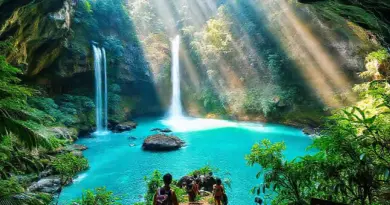
To incorporate the ‘Scenic Waterfalls’ aspect of the itinerary, dedicate the morning to a short trip outside the city center to Phu Hin Dang National Park or a closer spot like the nearby Kaeng Song Waterfall (seasonal). While not as grand as the northern waterfalls, these offer a refreshing break from temple touring.
Return to Phitsanulok city center for lunch and last-minute souvenir shopping. The night market area often provides excellent opportunities to purchase local crafts or try regional street food before heading to the airport or your next destination.
Essential Travel Tips for Visiting Ancient Kingdoms
Mastering the logistics ensures a smooth exploration of these UNESCO World Heritage sites. Expertise in local travel significantly enhances the visitor experience.
| Area | Best Transport | Best Time to Visit |
|---|---|---|
| Sukhothai Historical Park | Bicycle or Tuk-Tuk | Early Morning (7:00 AM) or Sunset |
| Phitsanulok City Temples | Walk or Taxi/Grab | Anytime, but Wat Yai is best before noon |
| Waterfalls/Parks | Rented Scooter or Private Driver | Mid-morning (after heat subsides) |
Finding the Perfect Accommodation
Accommodation choices differ significantly between the two cities. In Sukhothai, many excellent guesthouses are located just outside the park entrance, offering budget to mid-range comfort. In Phitsanulok, you will find more modern, full-service hotels near the train station or the Naresuan University area, offering greater reliability and amenities.
Video Guide: Visualizing Your Trip
To help you visualize the scale of these ancient cities and the tranquility of the surrounding nature, watching professional travel guides is highly recommended before finalizing your packing list.
คำถามที่พบบ่อย (FAQ)
Here are answers to common queries regarding planning this historical journey.
Is it better to visit Sukhothai or Ayutthaya?
Sukhothai is generally considered more serene, less crowded, and architecturally purer in representing the original Thai style. Ayutthaya is larger, closer to Bangkok, and showcases a blend of influences from its later, more cosmopolitan history. For a focus on the *earliest* kingdoms, Sukhothai is superior.
How do I get from Sukhothai to Phitsanulok?
The most common and cost-effective method is by local bus, which runs frequently between the two provincial centers. Alternatively, hiring a private taxi or using ride-sharing apps (if available and convenient) offers door-to-door service for a higher price.
Are the Historical Parks safe for solo female travelers?
Yes, both Sukhothai and Phitsanulok are very safe, even for solo female travelers. The parks are well-maintained, and local transport operators (like bicycle rentals and tuk-tuks) are generally honest and reliable. Stick to well-populated areas, especially when cycling in the evening.
What is the best time of year for this itinerary?
The cool, dry season, spanning from November to February, offers the most comfortable temperatures for cycling and exploring ruins outdoors. Avoid the peak heat of April and the heavy monsoon rains of September.
References
- UNESCO World Heritage Centre: Sukhothai and Associated Historic Towns
- Official Tourism Information on Wat Phra Si Rattana Mahathat
- Best time to visit, how to get there, and planning tips for a 4-day Sukhothai and Phitsanulok trip
- Day-by-day itinerary: Sukhothai Historical Park highlights, cycling routes, temples, museums and recommended stays
- Phitsanulok attractions and waterfall day trips: Wat Phra Si Rattana Mahathat, Kaeng Song, Wang Thong and nearby nature trails