What to Bring and Safety Tips for the Sunrise Hike: Gear, Clothing, Weather, Wildlife, and Guided vs. Solo Treks
Embarking on a sunrise hike is one of the most rewarding experiences for any traveler visiting Thailand. Whether you are scaling the misty heights of Doi Inthanon or watching the first light hit the Andaman Sea from a coastal peak, preparation is the key to a successful journey. This guide covers everything from essential gear and clothing to critical safety tips regarding weather and wildlife, helping you decide whether a guided or solo trek is right for your adventure.
Essential Gear for Your Sunrise Hike
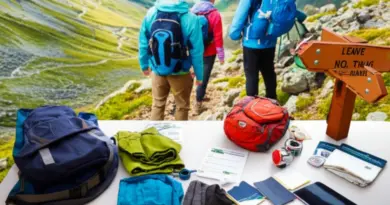
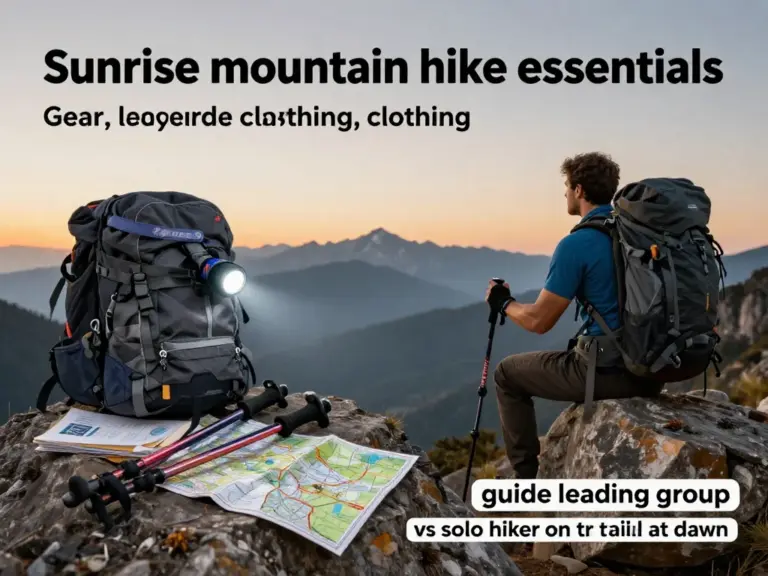
When trekking in the dark, your gear can make or break the experience. The most critical item is a reliable light source. While a smartphone flashlight works in a pinch, a dedicated headlamp is far superior as it keeps your hands free for balance.
| Item | Importance | Recommendation |
|---|---|---|
| Headlamp | Critical | LED with at least 200 lumens |
| Hydration | High | 1.5 – 2 Liters of water |
| First Aid Kit | High | Bandages, antiseptic, and blister pads |
| Navigation | Medium | Offline maps (AllTrails or Google Maps) |
Clothing and Layering for Early Starts
In Thailand, the transition from a humid night to a chilly mountain morning can be drastic. The secret is layering. Start with a moisture-wicking base layer to keep sweat away from your skin. Add a lightweight fleece or insulated jacket for the summit where winds are often stronger.
- Footwear: Sturdy hiking boots or trail runners with deep lugs for grip on slippery tropical soil.
- Socks: Merino wool or synthetic blends to prevent blisters.
- Outerwear: A packable rain shell is essential, as mountain weather in Southeast Asia is notoriously unpredictable.
Weather and Wildlife Safety
Before setting out on your sunrise hike, check the local weather forecast. In Thailand, the rainy season (June to October) can lead to flash floods or extremely slippery trails. Visibility can drop to near zero in heavy mist.
Regarding wildlife, be aware of snakes and macaques. Most snakes are nocturnal and may be active during your pre-dawn ascent. Use your trekking poles to vibrate the ground ahead of you, which usually encourages them to move away. Avoid feeding monkeys, as they can become aggressive if they expect food.
Guided vs. Solo Treks: Which is Right for You?
Deciding whether to go solo or hire a guide depends on your experience level and the specific trail. For popular, well-marked trails like Dragon’s Crest (Khao Ngon Nak) in Krabi, a solo trek is feasible for experienced hikers. However, for remote northern trails, a local guide is invaluable.
Benefits of a Guided Trek:
- Local knowledge of flora and fauna.
- Increased safety and emergency assistance.
- Support for local communities and conservation.
- Stories and cultural context you won’t find in a guidebook.
คำถามที่พบบ่อย (FAQ)
Find answers to the most common questions about preparing for a sunrise trek.
What time should I start a sunrise hike?
Most hikers start between 3:00 AM and 4:30 AM, depending on the trail’s length and difficulty, to ensure they reach the summit at least 20 minutes before the actual sunrise.
Is it safe to hike alone in the dark?
It can be safe on well-traveled trails if you have a powerful headlamp and offline maps. However, for safety, it is always recommended to hike with a partner or join a group.
What should I eat before a sunrise trek?
Eat a light, high-energy snack like a banana or a granola bar before you start. Carry protein-rich snacks for the summit to replenish your energy after the climb.
References
Tourism Authority of Thailand (TAT)
National Park Service Hiking Safety
- Pha Chana Dai Sunrise Trek in Pha Taem National Park, Ubon Ratchathani: Complete Guide for Hikers and Photographers
- Why Pha Chana Dai at Pha Taem National Park Is a Must-See: Best Time, Sunrise Views, and What Makes It Unique
- Planning Your Trek: Routes, Difficulty, Permits, Park Fees, and Local Transport to Pha Taem National Park