What to Do Inside the Parks: Hiking Trails, Wildlife Watching, Waterfalls, Snorkeling & Diving Spots, and Responsible Photography Tips
- What to Do Inside the Parks: Hiking Trails, Wildlife Watching, Waterfalls, Snorkeling & Diving Spots, and Responsible Photography Tips
- Discovering Thailand’s Natural Treasures: An Introduction
- Trekking the Best Hiking Trails in Thailand
- Ethical Wildlife Watching Opportunities
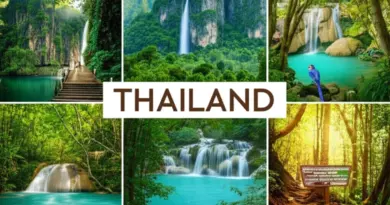
- Chasing Thailand’s Most Majestic Waterfalls
- Exploring the Underwater Kingdom: Snorkeling & Diving Spots
- Responsible Photography Tips for National Parks
- คำถามที่พบบ่อย (FAQ)
Discovering Thailand’s Natural Treasures: An Introduction
Engaging in Thailand National Park Activities provides a vital connection to the country’s rich ecological heritage. With over 150 protected areas spanning dense rainforests, towering mountains, and pristine marine ecosystems, the opportunities for adventure are boundless. Whether you are an avid hiker, a dedicated wildlife enthusiast, or simply seeking tranquility by a hidden waterfall, responsible tourism practices ensure these stunning environments remain protected for future generations. Our journey begins on the trails, where Thailand’s terrestrial beauty is best revealed.
Trekking the Best Hiking Trails in Thailand
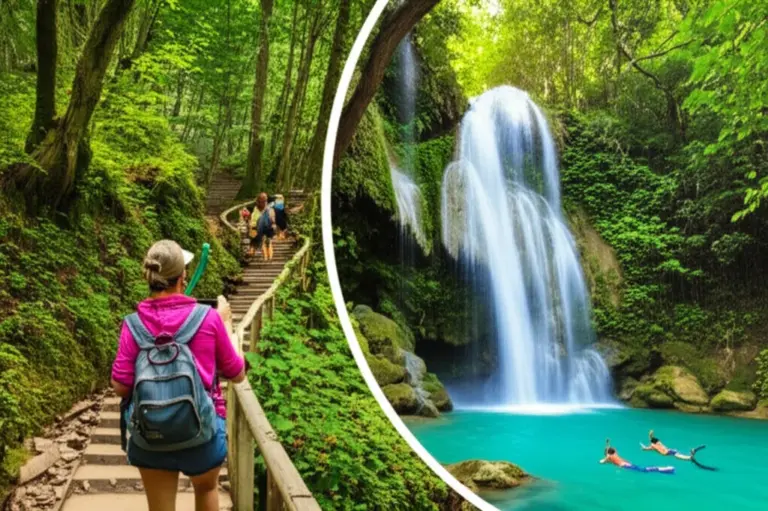
Hiking is arguably the most immersive of all Thailand National Park Activities. The trails range from short, accessible loops perfect for families to multi-day challenging expeditions requiring guides and preparation. Always check park regulations regarding permits and mandatory guide requirements before setting out.
Jungle Treks: The Heart of the Rainforest
- Khao Yai National Park: Famous for its diverse trails leading to waterfalls and primary forest. Day treks often include sightings of gibbons, hornbills, and even wild elephants.
- Khao Sok National Park: Known for its spectacular limestone karsts and Cheow Lan Lake. Hiking here often involves boat travel and navigating flooded forests, offering a unique blend of land and water exploration.
Mountain Routes: Scaling Northern Heights
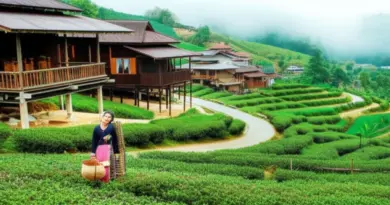
For cooler climates and panoramic views, the northern parks are unmatched. Doi Inthanon, Thailand’s highest peak, offers several beautiful nature trails, such as the Ang Ka Luang Nature Trail, which winds through cloud forests and moss-laden trees. These high-altitude hikes require appropriate layering due to temperature variations.
Ethical Wildlife Watching Opportunities
Wildlife observation must always prioritize the animals’ well-being. Opt for reputable, park-approved guides who adhere to strict observation distances and do not feed or disturb the creatures. The best times for viewing are dawn and dusk.
Land Mammals and Birds
Kaeng Krachan National Park is a globally significant area for birdwatching, home to diverse species including broadbills and various raptors. It is also one of the best places to spot wild Asian elephants and leopards, though sightings require patience and professional guidance.
Phu Khieo Wildlife Sanctuary, while sometimes restricted, offers intense conservation experiences, focusing on species like the gaur and various deer. Always maintain silence and distance when observing wildlife to avoid causing stress.
Marine Life Encounters
Marine parks offer chances to see dolphins, sea turtles, and even whale sharks. When participating in these Thailand National Park Activities, ensure your tour operator follows guidelines against touching or feeding marine animals. The health of the coral reef depends on undisturbed ecosystems.
Chasing Thailand’s Most Majestic Waterfalls
Waterfalls are iconic features of Thailand’s parks, often serving as refreshing destinations at the end of a hike. They are most spectacular during and immediately following the rainy season (typically May to October).
Accessible Waterfalls
Erawan Waterfall in Kanchanaburi is famous for its seven tiers of emerald pools, perfect for swimming. Similarly, the easily accessed Haew Suwat Waterfall in Khao Yai is popular due to its appearance in the film ‘The Beach.’ Always use caution when swimming near waterfalls, as currents can be strong.
Remote Cascades
For those willing to venture deeper, Pha Dok Seaw Waterfall in Doi Inthanon offers a remote, less crowded experience, often requiring a local guide to navigate the surrounding trails and agricultural areas.
Exploring the Underwater Kingdom: Snorkeling & Diving Spots
Andaman Sea Highlights
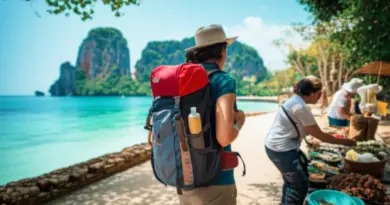
The Similan and Surin Islands National Parks (accessible from Phuket or Khao Lak) offer world-class diving, known for their stunning visibility, granite boulders, and diverse pelagic life. Snorkelers can enjoy vibrant shallow reefs teeming with colorful fish. Always use reef-safe sunscreen and maintain neutral buoyancy to avoid touching the coral.
Gulf of Thailand Gems
While less famous for deep diving than the Andaman side, parks like Mu Ko Ang Thong offer spectacular snorkeling and kayaking opportunities around dramatic limestone islands and hidden lagoons near Koh Samui. This park provides a different, equally compelling dimension to Thailand National Park Activities.
Visual Guide to Thailand’s Park Adventures
Responsible Photography Tips for National Parks
Photography is a powerful tool for conservation, but it must be practiced ethically. Your goal should be to capture the beauty without altering the environment or disturbing wildlife.
Leave No Trace Photography
- Stay on Path: Never step off designated trails for a better angle, especially in sensitive areas like mossy cloud forests or coral reefs.
- Pack It In, Pack It Out: Ensure no trash, including lens wipes or food wrappers, is left behind.
- Minimize Impact: Avoid moving natural objects (rocks, branches) for composition; use your zoom lens instead.
Respecting Wildlife Boundaries
Never use flash photography on nocturnal or sensitive animals, as this can cause disorientation and distress. Maintain a respectful distance, especially from large animals like elephants. If your presence causes an animal to change its behavior, you are too close. Ethical wildlife photography is about documentation, not interference.
คำถามที่พบบ่อย (FAQ)
References
- Department of National Parks, Wildlife and Plant Conservation (DNP) Thailand
- Responsible Travel Guidelines for Southeast Asia
- Exploring Thailand’s National Parks: The Ultimate Guide for Nature Lovers to Plan, Explore, and Preserve
- Why Visit Thailand’s National Parks? Top Attractions, Best Seasons, and How to Choose the Right Park for Your Interests
- How to Plan Your Trip: Permits, Transportation, Accommodation, Guided Tours, and Packing Checklist for National Park Adventures