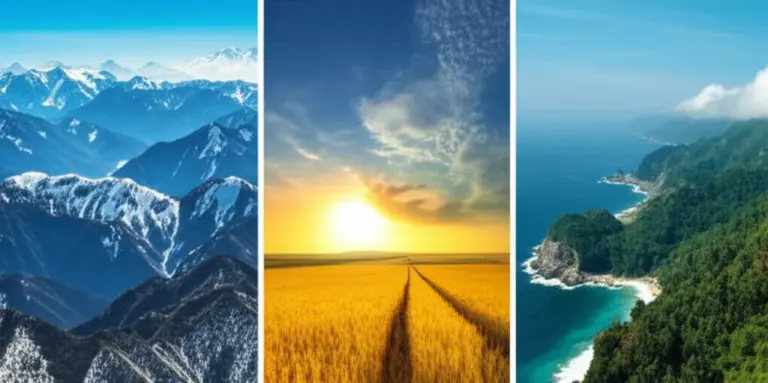
Regional Climate Breakdown: Northern Highlands, Central Plains, Gulf Islands, and Andaman Coast
- Regional Climate Breakdown: Northern Highlands, Central Plains, Gulf Islands, and Andaman Coast
- Understanding Thailand’s General Climate
- Northern Highlands: Chiang Mai, Chiang Rai, and Beyond
- Central Plains: Bangkok, Ayutthaya, and the Heart of Thailand
- Gulf Islands: Koh Samui, Koh Phangan, and Koh Tao
- Andaman Coast: Phuket, Krabi, and the Phi Phi Islands
- Practical Tips for Navigating Thailand’s Climate
- Conclusion
- คำถามที่พบบ่อย (FAQ)
Thailand, renowned for its captivating landscapes, vibrant culture, and warm hospitality, is a dream destination for travelers worldwide. However, to truly unlock the best of what the ‘Land of Smiles’ has to offer, understanding its diverse regional climate breakdown is paramount. This guide provides an in-depth look at the distinct weather patterns across Thailand’s key tourist regions: the Northern Highlands, Central Plains, Gulf Islands, and Andaman Coast, helping you plan your ideal Thailand tourism experience. From the misty mountains to pristine beaches, Thailand’s climate varies significantly, influencing the best times for different activities and destinations.
Understanding Thailand’s General Climate
Thailand generally experiences a tropical climate characterized by three main seasons: the Cool & Dry Season, the Hot Season, and the Rainy Season. However, these seasons manifest differently across the country due to its varied geography and the influence of monsoons [5, 7, 20]. The Southwest Monsoon, typically from May to October, brings moisture from the Indian Ocean, causing widespread rain across much of the country. Conversely, the Northeast Monsoon, from October to February, ushers in cooler, drier air from China, but can bring rain to the eastern coast of Southern Thailand [8, 23].
Thailand’s Three Main Seasons:
- Cool & Dry Season (November – February): Generally considered the most pleasant time to visit, with lower humidity and comfortable temperatures.
- Hot Season (March – May): Temperatures can soar, especially inland, making coastal areas more appealing.
- Rainy/Monsoon Season (May/June – October/November): Characterized by frequent, often heavy, afternoon showers, leading to lush landscapes and fewer crowds.
Northern Highlands: Chiang Mai, Chiang Rai, and Beyond
The Northern Highlands, encompassing popular destinations like Chiang Mai and Chiang Rai, offer a distinctly different climate from the southern coastal regions. This area is characterized by mountainous terrain and forests, leading to cooler temperatures, especially during the peak tourist season. [25]
- Cool & Dry Season (November – February): This is the prime time to visit. Temperatures are pleasantly cool, ranging from 15°C to 25°C during the day, dropping significantly at night (sometimes below 15°C), making it ideal for trekking, exploring temples, and enjoying outdoor activities. Festivals like Loy Krathong and Yi Peng in November are spectacular during this period [7, 28, 32, 33, 36].
- Hot Season (March – May): Temperatures can become very high, often exceeding 35°C. This period can also coincide with the ‘burning season,’ where agricultural fires can lead to hazy skies and poor air quality, making outdoor activities less comfortable [7, 32, 34].
- Rainy Season (June – October): The landscape becomes incredibly lush and green, and waterfalls are at their fullest. While daily showers are common, they often occur in short, intense bursts, leaving plenty of time for exploration. Fewer tourists mean a more serene experience, and prices are generally lower [7, 28, 34].
Central Plains: Bangkok, Ayutthaya, and the Heart of Thailand
The Central Plains, home to the bustling capital Bangkok and historical sites like Ayutthaya, experience a more consistent tropical climate with higher humidity year-round compared to the north.
- Cool & Dry Season (November – February): This is the most comfortable period for sightseeing in Bangkok and exploring ancient ruins. Temperatures typically range from 25°C to 30°C, with lower humidity [7, 33, 36].
- Hot Season (March – May): Expect intense heat, with temperatures often reaching 34°C to 40°C. April is particularly hot but also hosts the vibrant Songkran (Thai New Year) water festival, a major draw for many tourists [7, 16, 33, 36].
- Rainy Season (May – October): Daily rainfall is common, usually in the form of heavy afternoon downpours. While it can be humid, the rain helps to cool things down. Indoor attractions, shopping, and spa treatments are popular during this time [7, 16].
Gulf Islands: Koh Samui, Koh Phangan, and Koh Tao
The islands in the Gulf of Thailand, including Koh Samui, Koh Phangan, and Koh Tao, follow a distinct weather pattern that often contrasts with the Andaman Coast. This unique Thailand regional climate breakdown is crucial for island hoppers. [13]
- Dry Season (February – August): This period often offers sunny and dry weather, making it an excellent choice for beach holidays when the Andaman Coast might be experiencing its monsoon season. March to June are particularly good months for hot and dry conditions [2, 10, 13, 14, 24].
- Rainy Season (September – December): Unlike the rest of Thailand, the Gulf Islands typically experience their heaviest rainfall later in the year. October to December can be particularly wet, with November and December often being the wettest months [2, 8, 13, 20, 24, 37].
Andaman Coast: Phuket, Krabi, and the Phi Phi Islands
The Andaman Coast, famous for destinations like Phuket, Krabi, and the Phi Phi Islands, is a magnet for beach lovers and divers. Its weather patterns are influenced by the Southwest Monsoon, differing significantly from the Gulf of Thailand [20].
- Dry Season (November – April): This is the peak tourist season, offering consistently clear skies, calm seas, and warm temperatures (23°C to 30°C). It’s perfect for swimming, snorkeling, diving, and island hopping. Expect more crowds and higher prices during these months [2, 3, 6, 9, 11, 24].
- Rainy Season (May – October): The Southwest Monsoon brings more substantial rainfall and can lead to choppier seas, especially from July to September. While some smaller islands and services may close, this ‘green season’ offers lush landscapes, fewer tourists, and more affordable rates. Rain often comes in heavy, but short, afternoon downpours [2, 3, 6, 9, 11, 24].
Understanding these regional variations is key to a successful trip. Here are some general tips:
| Tip Category | Advice |
|---|---|
| Packing | Light, breathable clothing is essential year-round. During the cool season in the North, a light jacket or sweater for evenings is recommended. For the rainy season, a compact umbrella or lightweight rain jacket is a must. |
| Flexibility | If traveling during the rainy season, maintain a flexible itinerary. Showers are often predictable, allowing for morning activities and indoor options in the afternoon. |
| Budget | The shoulder seasons (May/October) and rainy season generally offer lower prices for flights and accommodation, making them ideal for budget-conscious travelers [32, 37]. |
| Beach Choices | If planning a beach holiday during the peak of the Southwest Monsoon (July-September), consider the Gulf Islands for better weather. Conversely, November-April is best for the Andaman Coast [20]. |
For a visual overview of Thailand’s climate secrets, watch this informative video:
And to get a sense of the diverse geography:
Conclusion
Thailand’s regional climates offer a kaleidoscope of experiences throughout the year. Whether you seek the cool serenity of the Northern Highlands, the urban energy of the Central Plains, or the sun-drenched beaches of the Gulf Islands and Andaman Coast, a little knowledge of the weather patterns can significantly enhance your trip. By understanding the Thailand regional climate breakdown, you can align your travel plans with the best conditions for your desired activities, ensuring an unforgettable Thailand tourism adventure.
คำถามที่พบบ่อย (FAQ)
References
- Experience Travel Group: Best Time to Visit Thailand
- MyTravaly: Best Time to Visit the Andaman Coast
- Drive Car Rental: When Is Monsoon Season in Thailand?
- Adventure Life: Best Time to Travel to Thailand
- Geeky Explorer: Andaman Sea Islands
- IDC Travel: Best Time To Visit Thailand
- Selective Asia: Best time to visit Thailand
- Beyond Khaolak: Best Time to Visit Southern Thailand
- Trailfinders: When is the best time to visit Thailand?
- All Points East Tours: When’s the best time to visit Thailand?
- Earth Site Education: Climate Zones of Thailand
- Reddit: Best time of year for islands – The answer!
- Justyn Jen: Island Hopping in the Gulf of Thailand
- YouTube: Thailand Weather Secrets Every Traveler Needs To Know!
- Texas A&M University: Types of Tourism in Thailand (PDF)
- my thailand blog-english: Thailand’s weather and climate zones
- TourismThailand.my: Weather
- Phuket Dream Company: Weather in Thailand by region
- YouTube: The Geography of Thailand
- iamkohchang.com: Best Thai Islands to Visit by Month
- Enchanting Travels: Best Time to Visit Thailand
- Royal Vacation: Best Time to travel to Thailand
- Hanoi Voyages: Best time to visit Thailand
- TravelThru: Best Time to Travel to Thailand
- All Points East: When’s the best time to visit North Thailand?
- BucketListly Blog: When Should You Visit Thailand?
- The Working Traveller: The Best Time to Visit Thailand