How Thailand’s Cashless Ecosystem Works: PromptPay, ewallets, card acceptance, and where QR payments fit in
- How Thailand’s Cashless Ecosystem Works: PromptPay, ewallets, card acceptance, and where QR payments fit in
Navigating the financial landscape of a new country can be daunting, but Thailand has rapidly transformed into one of the most digitally savvy economies in Southeast Asia. For travelers, understanding Thailand’s cashless ecosystem is no longer just a convenience—it is a essential part of the modern Thai experience. From bustling night markets in Bangkok to remote cafes in Chiang Mai, digital payments have become the norm, often replacing the need for bulky wallets filled with Thai Baht.
The Backbone of the System: What is PromptPay?
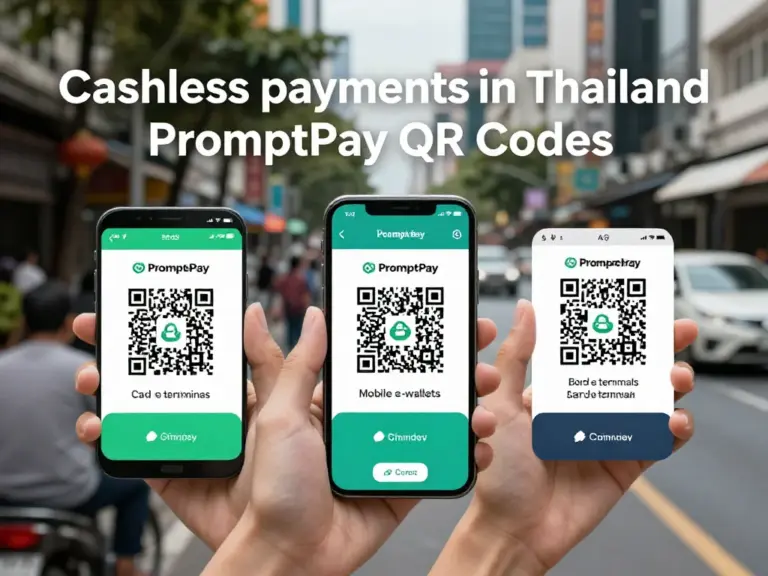
At the heart of the digital revolution is PromptPay. Launched by the Thai government and major banks, it allows users to link their bank accounts to a mobile phone number or National ID. For locals, it means instant, fee-free transfers. For tourists, it means seeing a “Thai QR Payment” logo at almost every point of sale. While tourists cannot register for PromptPay without a local bank account, many international banking apps from neighboring countries (like Singapore, Malaysia, and Indonesia) now support cross-border QR payments directly into the PromptPay system.
Where QR Payments Fit In: The Thai QR Standard
QR payments are the most visible part of Thailand’s cashless ecosystem. You will find standardized QR codes printed on everything from plastic signs at fruit stalls to high-end restaurant receipts. This system is incredibly inclusive, allowing even the smallest micro-entrepreneurs to accept digital payments without expensive card terminals. For a tourist, the easiest way to tap into this is through e-wallets that have integrated with the Thai QR standard.
E-Wallets: TrueMoney, Rabbit LINE Pay, and More
If you don’t have a local bank account, e-wallets are your best friend. TrueMoney Wallet is the most dominant player, accepted at all 7-Eleven stores across the country. Rabbit LINE Pay is another popular choice, especially for those using the BTS Skytrain in Bangkok. These apps can often be topped up using international credit cards or at kiosks, giving travelers a way to participate in the local digital economy without a Thai bank card.
Key Benefits of E-Wallets for Tourists:
- Accepted at all 7-Eleven locations.
- Easy tracking of travel expenses.
- Frequent promotions and cashback offers.
Traditional Card Acceptance: Credit and Debit Cards
Despite the rise of QR codes, traditional card acceptance remains strong in shopping malls, hotels, and upscale boutiques. Visa and Mastercard are universally accepted, while American Express is usually reserved for higher-end establishments. Many smaller shops, however, may impose a 3% surcharge or a minimum spend (usually 300-500 THB) for card transactions. Using a travel-specific card like Wise or Revolut is highly recommended to avoid high foreign exchange fees at the terminal.
| Payment Method | Best For | Acceptance Level |
|---|---|---|
| PromptPay/QR | Street food, Taxis, Markets | Very High |
| E-Wallets | Convenience stores, BTS | High |
| Credit Cards | Malls, Hotels, Fine Dining | Moderate |
Summary of the Cashless Journey
The transition to Thailand’s cashless ecosystem has made the country more accessible and safer for tourists. By utilizing a mix of e-wallets for daily needs and credit cards for larger purchases, travelers can enjoy a frictionless journey through the Land of Smiles. The days of hunting for an ATM every few hours are quickly coming to an end.
คำถามที่พ่อยบ่อย (FAQ)
Can tourists use PromptPay?
Technically, you need a Thai bank account to register for PromptPay. However, travelers from countries like Singapore, Malaysia, and Indonesia can use their home banking apps to scan Thai QR codes thanks to cross-border agreements.
Is TrueMoney Wallet available for foreigners?
Yes, foreigners can register for TrueMoney Wallet using their passport. It is one of the most useful apps for tourists, especially for shopping at 7-Eleven.
Are credit cards widely accepted in Thailand?
Yes, in major cities and tourist hubs. However, smaller vendors and street food stalls almost exclusively prefer QR payments or cash.
What should I do if a QR payment fails?
Always have a backup payment method, such as a physical debit card or a small amount of cash. Network issues can occasionally cause transaction delays.
References
Bank of Thailand: About PromptPay
- Cashless in Thailand: How to Use QR PromptPay, Cards, and ATMs Safely and Easily as a Visitor
- Preparing Before You Travel: Setting up international cards, using PromptPay (can visitors register?), and e-wallet alternatives
- Paying Like a Local: Step-by-step QR PromptPay payment flow, using cards at shops/restaurants, and tips for tuk-tuks, markets, and street vendors