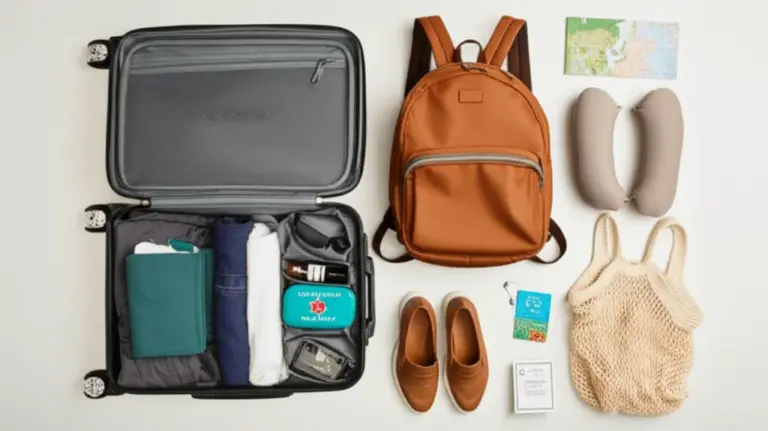
What to Pack and Prepare: Essential Gear, Health & Safety Tips, Local Guides, and Responsible Tourism Practices
- What to Pack and Prepare: Essential Gear, Health & Safety Tips, Local Guides, and Responsible Tourism Practices
Embarking on a journey to Thailand is an exciting prospect, promising vibrant culture, breathtaking landscapes, and unforgettable experiences. To ensure your adventure is as smooth and enjoyable as possible, thorough preparation is key. This guide will walk you through everything you need to know, from essential gear and crucial health and safety considerations to insights on local guides and embracing responsible tourism. By focusing on these Thailand travel essentials, you’ll be well-equipped to navigate this incredible country with confidence and respect.
Essential Gear for Your Thailand Adventure
Packing smart is crucial for a comfortable trip to Thailand, a country known for its tropical climate and diverse activities. Overpacking can be a burden, while under-packing the right items can leave you unprepared. Consider the climate and your planned activities when assembling your Thailand travel essentials.
Clothing and Footwear
- Lightweight, Breathable Fabrics: Cotton, linen, and moisture-wicking materials are ideal for the hot and humid weather. Think loose-fitting shirts, shorts, and dresses.
- Modest Attire: When visiting temples or sacred sites, shoulders and knees must be covered. Pack at least one outfit (long pants/skirt and a sleeved top) for this purpose. A lightweight sarong or scarf can also be very versatile.
- Swimwear: If you plan to visit beaches or islands, pack appropriate swimwear.
- Comfortable Walking Shoes: Sandals, flip-flops, or breathable sneakers are perfect for daily wear. Consider water shoes if you plan on water activities.
- Rain Gear: Especially during the rainy season (May to October), a lightweight, packable rain jacket or umbrella is a lifesaver.
Health and Hygiene Essentials
- Sunscreen: High SPF sunscreen is essential to protect against strong tropical sun. While available locally, bringing your preferred brand might be better as local options often contain whitening agents.
- Insect Repellent: Mosquitoes are prevalent, especially in the evenings and rural areas. Look for repellents with DEET or picaridin.
- Hand Sanitizer: Useful for quick clean-ups, especially when street food is involved.
- Basic First-Aid Kit: Include pain relievers, band-aids, antiseptic wipes, anti-diarrhea medication, and any personal prescription medications.
- Reusable Water Bottle: While tap water is not safe to drink, many places offer refill stations, helping reduce plastic waste.
Electronics and Connectivity
- Universal Travel Adapter: Thailand uses Type A, B, C, F, and O sockets. A universal adapter will cover all bases.
- Portable Power Bank: Keep your devices charged on the go, especially when exploring.
- Unlocked Smartphone: Consider purchasing a local SIM card upon arrival for affordable data and calls. eSIMs are also a convenient option.
- Camera: To capture Thailand’s beauty!
Documents and Money
- Passport and Visa (if required): Ensure your passport is valid for at least six months beyond your intended stay and carry copies.
- Travel Insurance: Highly recommended for medical emergencies, lost luggage, or trip cancellations.
- Local Currency (Thai Baht): While credit cards are accepted in many places, cash is essential for smaller vendors, street food, and rural areas. ATMs are widely available.
- Photocopies/Digital Copies: Keep copies of all important documents (passport, visa, insurance) separate from the originals and on a cloud service.
Health & Safety Tips for Travelers in Thailand
Your well-being is paramount. Being aware of potential health risks and practicing smart safety measures will allow you to fully enjoy your trip.
Vaccinations and Medications
- Consult Your Doctor: Before your trip, speak with your doctor about recommended vaccinations (e.g., Hepatitis A & B, Typhoid, Tetanus, Rabies, Japanese Encephalitis) and necessary preventative medications.
- Malaria and Dengue: While most tourist areas are low-risk for malaria, consult your doctor about antimalarials if visiting remote areas. Dengue fever is more common and has no vaccine, making mosquito bite prevention crucial.
- Prescription Medications: Carry enough of your prescription medications for the entire trip, along with a doctor’s note.
Staying Safe and Aware
- Food and Water Safety: Stick to bottled water. Be cautious with ice, though most reputable establishments use filtered ice. Enjoy street food but choose vendors with high turnover and visible hygiene.
- Traffic: Traffic in Thailand, especially in cities, can be chaotic. Exercise extreme caution when crossing roads. Consider using ride-hailing apps like Grab for reliable transportation.
- Scams: Be aware of common tourist scams (e.g., Gem Scams, Tuk-Tuk Scams, Jet Ski Scams). Do your research and trust your instincts.
- Personal Belongings: Keep valuables secure and be mindful of pickpockets in crowded areas.
- Respect Local Laws: Familiarize yourself with and respect Thai laws, particularly those concerning drugs (very strict penalties) and disrespectful behavior towards the monarchy or religion.
Emergency Contacts
Save important numbers, including your embassy, local emergency services (Police: 191, Tourist Police: 1155, Ambulance: 1669), and your travel insurance provider.
While independent exploration is rewarding, engaging local guides can significantly enhance your travel experience, providing deeper insights and facilitating unique encounters.
Benefits of Local Guides
- Cultural Immersion: Guides offer invaluable insights into Thai culture, history, and traditions that you might otherwise miss.
- Navigation and Logistics: They can help navigate complex areas, arrange transportation, and bypass language barriers.
- Hidden Gems: Local guides often know off-the-beaten-path attractions, authentic eateries, and local markets.
- Safety and Peace of Mind: Having a knowledgeable local by your side can increase your sense of security, especially in unfamiliar environments.
Finding Reputable Guides
- Recommendations: Ask for recommendations from trusted travel forums, blogs, or your accommodation.
- Licensed Guides: Look for guides with official licenses, often displayed on their badges.
- Ethical Tour Operators: Choose operators committed to fair wages for guides and sustainable tourism practices.
Watch Before You Go!
For more expert insights and common mistakes to avoid, check out this comprehensive video guide:
This video offers valuable tips on navigating Thailand, cultural nuances, safety, and more, perfectly complementing your Thailand travel essentials knowledge.
Embracing Responsible Tourism Practices
Traveling responsibly ensures that your visit has a positive impact on Thailand’s environment, culture, and economy. It’s about being a mindful visitor.
Respecting Culture and Environment
- Cultural Sensitivity: Dress modestly, especially when visiting religious sites. Be mindful of local customs, such as removing shoes before entering homes or temples. Avoid touching people on the head, as it’s considered sacred.
- Language Basics: Learning a few basic Thai phrases (e.g., ‘Sawasdee ka/krap’ for hello, ‘Kob Khun ka/krap’ for thank you) can go a long way in showing respect.
- Environmental Protection: Minimize waste, especially plastic. Dispose of trash properly. Do not disturb wildlife or coral reefs. Support eco-friendly tours and accommodations.
- Bargaining: While common in markets, do so respectfully and with a smile.
Supporting Local Economies
- Buy Local: Purchase souvenirs and goods from local artisans and small businesses.
- Eat Local: Enjoy street food and dine at local restaurants.
- Fair Trade: Opt for products and services that ensure fair wages and ethical practices.
Animal Welfare
- Ethical Animal Encounters: Avoid activities that exploit animals, such as elephant riding or tiger temples. Instead, seek out ethical sanctuaries where animals are rehabilitated and cared for.
- Do Not Feed Wild Animals: This can disrupt their natural behavior and diet.
Conclusion
Preparing for your trip to Thailand involves more than just packing a suitcase; it’s about understanding the nuances of the culture, prioritizing your health and safety, and committing to responsible travel. By focusing on these Thailand travel essentials – from practical gear to mindful interactions – you’ll not only have a more enriching and enjoyable experience but also contribute positively to the beautiful country and its welcoming people. Thailand awaits, ready to enchant you with its unique charm and hospitality.
คำถามที่พบบ่อย (FAQ)
References
- Thailand Know Before You Go: Expert Tips & Common Mistakes (2025)
- Tourism Authority of Thailand Official Website
- World Health Organization – Thailand
- Khao Sok National Park Jungle Trekking: The Ultimate Guide to Planning, Safety, and What to Expect
- Why Choose Khao Sok for Jungle Trekking? (Best Time to Visit, Types of Treks, Wildlife & Scenery Highlights)
- How to Plan Your Trek: Permits, Guided vs. Independent Treks, Recommended Routes and Multi-day Itineraries