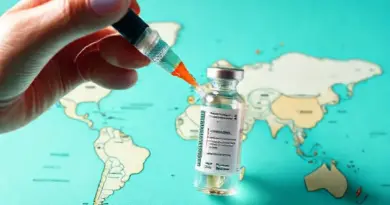
Why travel vaccines matter: assessing risk by destination, trip type, and personal health
- Why travel vaccines matter: assessing risk by destination, trip type, and personal health
Planning a trip to the Land of Smiles? While the allure of Thailand’s beaches, temples, and cuisine is undeniable, ensuring your health and safety is paramount. Understanding why travel vaccines matter: assessing risk by destination, trip type, and personal health is the cornerstone of responsible international travel. This comprehensive guide focuses specifically on the considerations for travelers heading to Thailand, helping you prepare proactively for an unforgettable, healthy adventure.
The Fundamental Importance of Pre-Travel Vaccination
Travel vaccines are not merely suggestions; they are critical layers of defense against diseases that may be rare or non-existent in your home country but prevalent in your destination. For Thailand, a tropical country with diverse environments ranging from bustling Bangkok to remote jungle regions, exposure risks change significantly. The importance of why travel vaccines matter: assessing risk by destination, trip type, and personal health becomes clear when you realize that prevention is always easier and safer than treatment abroad.
Understanding Risk: Beyond the Tourist Trail
Risk assessment is dynamic. A short, high-end resort stay in Phuket carries a different profile than backpacking through Northern Thailand for three months. Key factors include:
- Duration of Stay: Longer trips increase cumulative exposure time.
- Activities Planned: Trekking, diving, or volunteering increases interaction with local environments and potential vectors (like mosquitoes).
- Accommodation Style: Staying in basic lodging or remote areas elevates exposure compared to international hotels.
Destination-Specific Considerations for Thailand
While specific local outbreaks vary, certain diseases are endemic to Thailand and require routine consideration for all travelers. Understanding why travel vaccines matter: assessing risk by destination, trip type, and personal health means tailoring your shots to the specific region you visit within the country.
Core Recommended Vaccinations for Thailand
Most travel health professionals recommend these standard vaccinations for travel to Thailand, regardless of the trip type, unless you have documented immunity:
- Routine Vaccines: Ensure all standard vaccinations (MMR, Diphtheria, Tetanus, Pertussis, Varicella, Polio, Flu) are up-to-date.
- Hepatitis A: Transmitted through contaminated food or water. Essential for all travelers.
- Typhoid: Also food/waterborne. Crucial if you plan on eating street food or visiting rural areas.
Vaccines Based on Trip Profile (Higher Risk Scenarios)
If your trip involves extended stays, rural exploration, or activities that increase exposure:
| Vaccine | Risk Factor | Relevance to Thailand |
|---|---|---|
| Hepatitis B | Medical procedures, sexual contact, long stays | Recommended for trips over 6 months or involving extensive local medical care. |
| Rabies | Cave exploration, handling animals (monkeys, dogs), remote travel | Crucial for adventure travelers or those working with animals. Treatment after exposure is difficult overseas. |
| Japanese Encephalitis (JE) | Rural travel, prolonged stays during monsoon/wet seasons | Mosquito-borne; higher risk in agricultural areas outside major cities. |
Assessing Personal Health and Medical History
The third pillar of why travel vaccines matter: assessing risk by destination, trip type, and personal health centers on *you*. Your age, underlying conditions (like diabetes or immune suppression), and current medications heavily influence which vaccines are safe or necessary.
Special Considerations for Vulnerable Travelers
Travelers who are pregnant, elderly, immunocompromised, or have chronic illnesses must have a highly personalized risk assessment. For instance, the risk/benefit profile for certain live vaccines must be carefully weighed against the potential for contracting a severe infectious disease while abroad.
Visualizing Pre-Travel Preparation
To further illustrate the planning process, here is a helpful resource detailing essential travel health tips for Southeast Asia:
This video offers a broader perspective on preparing for trips to this region, reinforcing the themes of proactive health management.
Beyond Vaccines: Essential Health Measures for Thailand
Vaccines are primary, but they are not the only defense. Travelers to Thailand must also employ vector control and food safety practices:
- Mosquito Protection: Dengue fever and Malaria (though rare outside deep jungle areas) are present. Use effective insect repellent (DEET recommended), wear long sleeves, and sleep under treated bed nets if staying in rustic accommodations.
- Food and Water Safety: Adhere to the rule: Boil it, cook it, peel it, or forget it. Even highly recommended street food vendors can pose risks if hygiene standards aren’t met. Stick to bottled water.
- Insurance: Ensure your travel insurance covers emergency medical evacuation, as treatment quality can vary widely outside major urban centers.
คำถามที่พบบ่อย (FAQ)
Here are answers to common questions regarding health preparations for your Thai journey.
Is the COVID-19 vaccine required for entry to Thailand?
Entry requirements regarding COVID-19 vaccination status change frequently based on current global and local health advisories. Always check the latest official Thai government travel advisories immediately before booking and departure.
How far in advance should I get my travel vaccines for Thailand?
Ideally, you should see a travel health professional 4 to 6 weeks before your planned departure. This allows sufficient time for multi-dose vaccines to become fully effective and for your body to recover from any mild side effects.
Do I need Malaria prophylaxis for a standard tourist trip to Bangkok and the islands?
For short tourist trips restricted to major cities (like Bangkok) or popular southern islands, the risk of Malaria is generally considered very low. However, if you are trekking extensively in remote border areas, especially near Cambodia or Myanmar, anti-malarial medication might be recommended.
References
For further expert guidance, please consult these authoritative sources:
- CDC Traveler’s Health Information for Thailand
- World Health Organization (WHO) Travel Advice for Thailand