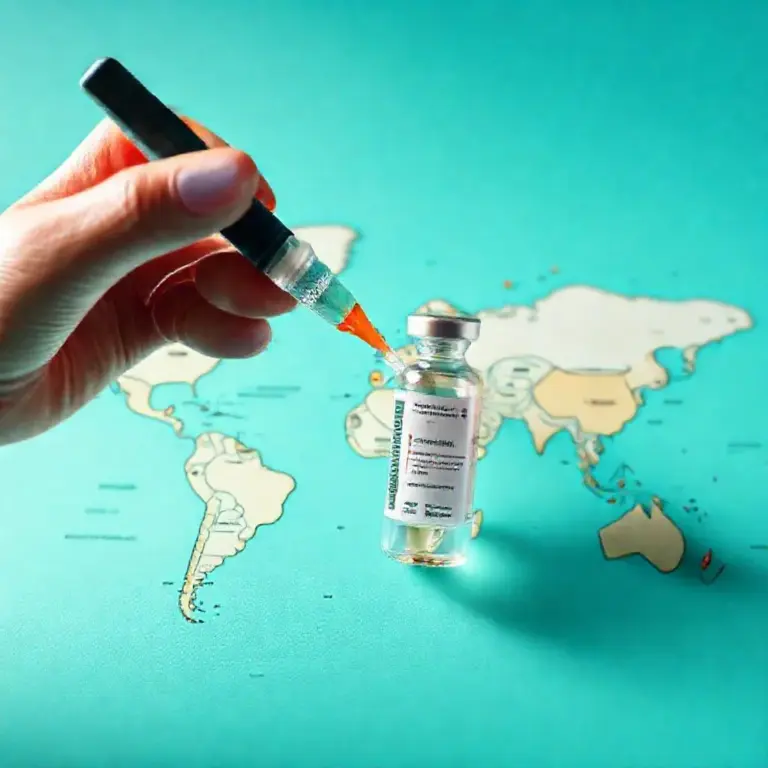
Which vaccines are commonly recommended for travelers: routine, destination-specific, and optional boosters
- Which vaccines are commonly recommended for travelers: routine, destination-specific, and optional boosters
- The Foundation: Routine Vaccinations for All Travelers
- Destination-Specific Vaccines for Thailand Tourism
- Optional and Situational Boosters for Extended Stays or Specific Activities
- Understanding Vaccine Administration and Timing
- Staying Safe Beyond the Needle: Protecting Yourself in Thailand
- Conclusion: Preparing for Your Thai Adventure
- คำถามที่พบบ่อย (FAQ)
- Do I need a Yellow Fever vaccination certificate for Thailand?
- How far in advance should I get my travel vaccinations for Thailand?
- Is the Rabies vaccine necessary if I am only staying in major cities like Bangkok and Phuket?
- What is the difference between routine and destination-specific vaccines?
- References
Planning an incredible journey to the Land of Smiles? Thailand offers breathtaking beaches, vibrant cities, and rich cultural experiences. However, traveling internationally, especially to tropical destinations, requires proactive health planning. Understanding which vaccines are commonly recommended for travelers: routine, destination-specific, and optional boosters is the cornerstone of a safe and worry-free adventure. This comprehensive guide, tailored specifically for Thailand tourism, ensures you are protected against preventable diseases before you even step off the plane.
The Foundation: Routine Vaccinations for All Travelers
Before considering destination-specific requirements, every traveler must ensure their routine immunizations are up-to-date. These vaccines protect against common diseases prevalent worldwide, and being current is crucial whether you are visiting Bangkok or Chiang Mai. We strongly advise consulting your primary care physician or a specialized travel clinic at least 4-6 weeks before departure to review your status.
Essential Routine Shots
These are the standard vaccinations recommended for virtually everyone, regardless of travel destination:
- MMR (Measles, Mumps, Rubella): Essential, especially since measles outbreaks can occur globally.
- Diphtheria, Tetanus, and Pertussis (Tdap/Td): Tetanus boosters are vital, as soil and cuts can introduce the bacteria.
- Polio: Ensure your primary series is complete.
- Annual Influenza Vaccine: Recommended seasonally.
Destination-Specific Vaccines for Thailand Tourism
Thailand, being a tropical country with diverse environments, presents specific risks that necessitate targeted immunization. While some diseases are rare, vaccination offers robust protection against potential exposure through contaminated food, water, or insect bites.
Mandatory & Highly Recommended Vaccines for Thailand
These are the most frequently advised shots for visitors heading to Thailand:
| Vaccine | Transmission Risk in Thailand | Recommendation Level |
|---|---|---|
| Hepatitis A | Food/Waterborne | Routine Recommendation |
| Typhoid | Food/Waterborne | Strongly Recommended |
| Hepatitis B | Blood/Body Fluids | If long stay or high-risk activities |
Optional and Situational Boosters for Extended Stays or Specific Activities
The need for certain vaccines depends heavily on your travel itinerary within Thailand, the duration of your stay, and the nature of your activities (e.g., remote trekking, extensive diving, or volunteer work). These optional boosters provide targeted protection.
Rabies Vaccination
While rabies is not a primary concern in tourist hubs, it is present in animals (dogs, monkeys, bats) throughout Thailand. Pre-exposure vaccination is highly recommended for long-term travelers, adventure tourists, those working with animals, or those visiting remote rural areas where medical access might be limited. Remember, vaccination does not eliminate the need for post-exposure treatment, but it simplifies the process significantly.
Japanese Encephalitis (JE)
JE is a mosquito-borne illness that can cause severe neurological disease. The risk in major tourist areas like Bangkok or Phuket is generally low, especially during the dry season. However, if your travel plans include extended stays (over one month) in rural, agricultural, or jungle areas, particularly during the monsoon season (roughly May to October), the JE vaccine should be strongly considered.
Cholera and Yellow Fever
- Cholera: Generally not recommended for typical tourists to Thailand, as outbreaks are rare and sanitation standards are usually adequate in tourist zones.
- Yellow Fever: Thailand does not currently require proof of Yellow Fever vaccination unless you are arriving directly from a country with active Yellow Fever transmission. Always check the latest entry requirements before booking.
Understanding Vaccine Administration and Timing
Timing is crucial. Some vaccines require multiple doses over several weeks to achieve full immunity. This is why planning ahead is essential when determining which vaccines are commonly recommended for travelers.
Vaccine Series Example
Hepatitis A often requires two doses, with the second dose given 6–12 months after the first for long-term protection. If you plan to travel frequently, finishing the series is vital.
Consultation Importance
A travel doctor can assess your itinerary, existing medical conditions, and past vaccination history to create a personalized schedule, ensuring you are protected optimally before your departure date.
Staying Safe Beyond the Needle: Protecting Yourself in Thailand
Vaccines are only one part of the health strategy. In Thailand, travelers must also practice strict food and water safety to prevent gastrointestinal illnesses, which are far more common than vaccine-preventable diseases for the average tourist.
- Water Safety: Stick to sealed bottled water. Avoid ice unless you are certain it was made from purified water (most reputable restaurants use purified ice).
- Street Food Vigilance: While delicious, choose vendors who are busy (high turnover means fresh ingredients) and ensure food is cooked thoroughly and served piping hot.
- Mosquito Protection: Use EPA-registered insect repellent containing DEET, Picaridin, or Oil of Lemon Eucalyptus, especially during dawn and dusk, to guard against dengue fever.
Relevant Travel Health Video
Conclusion: Preparing for Your Thai Adventure
To summarize which vaccines are commonly recommended for travelers heading to Thailand, prioritize routine shots, Hepatitis A, and Typhoid. Assess your itinerary for risks requiring Rabies or Japanese Encephalitis coverage. A proactive approach to vaccination, combined with diligent food and insect safety, ensures your focus remains on enjoying the stunning scenery and warm hospitality Thailand has to offer. Consult a medical professional well in advance to finalize your personalized health plan. Safe travels!