When to get vaccinated: timelines for single-dose, multi-dose series, and last-minute travelers
- When to get vaccinated: timelines for single-dose, multi-dose series, and last-minute travelers
- Understanding Required vs. Recommended Vaccinations for Thailand
- Optimal Vaccination Timelines: Planning Ahead
- Advice for Last-Minute Travelers to Thailand
- Post-Vaccination and Booster Schedules in Thailand
- คำถามที่พบบ่อย (FAQ)
- What is the minimum time needed before my trip to get vaccinated?
- Can I get all necessary travel vaccines in one visit?
- Do I need a Yellow Fever certificate to enter Thailand?
- What if I missed a dose in a multi-dose series?
- Is COVID-19 vaccination still required for tourists visiting Thailand?
- References
Welcome to Thailand! As you plan your dream trip to the Land of Smiles, ensuring you are fully protected against preventable diseases is paramount. Understanding When to get vaccinated: timelines for single-dose, multi-dose series, and last-minute travelers is crucial for a seamless and healthy journey. This guide, tailored specifically for Thailand tourism, breaks down the necessary immunization schedules so you can enjoy the beaches, temples, and vibrant cities without worry. When to get vaccinated: timelines for single-dose, multi-dose series, and last-minute travelers planning starts well before your departure date.
For international travel, especially to regions like Southeast Asia, proactive health planning is key. While many routine vaccinations are standard, specific travel-related shots require careful timing relative to your flight. We will cover the ideal lead times for standard series, the urgency for single-dose requirements, and emergency advice for those booking a last-minute escape to Thailand.
Understanding Required vs. Recommended Vaccinations for Thailand
Before diving into timelines, it’s essential to distinguish between routine vaccinations (which you should already have) and specific travel vaccines recommended or required for Thailand. Always consult the latest advisories from your national health authority (like the CDC or WHO) before finalizing your schedule.
Routine Vaccinations: The Foundation
These should be up-to-date regardless of travel, but a check-up is always wise:
- MMR (Measles, Mumps, Rubella)
- Diphtheria, Tetanus, and Pertussis (Tdap/Td)
- Polio
- Routine Annual Flu Shot (highly recommended)
Key Travel-Specific Vaccines for Thailand
Thailand’s climate and environment necessitate attention to several region-specific risks:
| Vaccine | Type | Importance for Thailand |
|---|---|---|
| Hepatitis A | Single Dose (often combined with Typhoid) | High Risk |
| Typhoid | Single Dose or Injectable | High Risk (Food/Waterborne) |
| Hepatitis B | Multi-Dose Series | Recommended (Longer Stays/Activities) |
| Japanese Encephalitis (JE) | Multi-Dose Series | Recommended (Rural/Monsoon Travel) |
| Rabies | Pre-exposure Multi-Dose Series | Optional, but recommended for long-term visitors or those working with animals. |
Optimal Vaccination Timelines: Planning Ahead
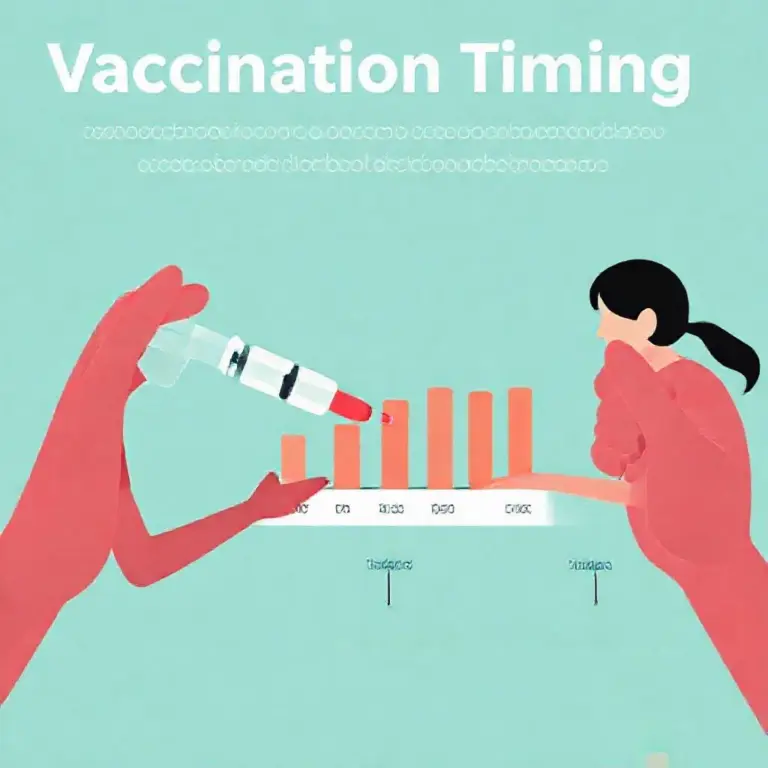
The most crucial factor in vaccination success is time. The body needs several weeks to build robust immunity after receiving a vaccine. Here is a breakdown of When to get vaccinated: timelines for single-dose, multi-dose series, and last-minute travelers.
Single-Dose Vaccines: The Quick Fixes
These vaccines offer protection after just one administration, but peak protection still takes time.
- Typhoid (Injectable/Vi caps): Protection begins about 2 weeks after injection. Aim to get this at least 3 weeks before departure.
- Hepatitis A: Protection starts to develop within 2-4 weeks. For short trips, this is often the most practical travel vaccine.
Multi-Dose Series: The Long Game
For comprehensive, long-lasting protection, multi-dose series are essential. These require careful scheduling:
- Hepatitis B: This series typically requires 3 doses over a 6-month period (0, 1, and 6 months). If you are planning multiple trips to Thailand over a year, starting this series early is highly advisable.
- Japanese Encephalitis (JE): The standard JE vaccine requires 2 doses given 28 days apart. You must complete the primary series at least 7 days before travel to achieve full efficacy. If you are traveling during the peak transmission season (rainy season in many parts of Thailand), starting this 1.5 months in advance is recommended.
- Rabies (Pre-exposure): This series involves 3 shots over 21-28 days. While not mandatory, it’s a vital consideration for long-term backpackers or those planning extensive rural travel in Thailand.
Advice for Last-Minute Travelers to Thailand
Life happens, and sometimes travel plans are made suddenly. If you are departing in less than two weeks, your focus must shift to immediate risk mitigation. This is the most challenging scenario for When to get vaccinated: timelines for single-dose, multi-dose series, and last-minute travelers.
Prioritizing Protection
In a pinch, prioritize vaccines that offer rapid protection or address the highest immediate risk:
- Hepatitis A & Typhoid (Single Dose): If you can only get one shot, these are often recommended due to the high risk associated with street food and water safety in many tourist areas of Thailand.
- Tetanus Booster: If you are unsure of your last Tdap/Td shot, get a booster immediately. Accidents are common when exploring new environments.
Embedding Essential Travel Health Information
To provide context on travel health precautions relevant to immunization gaps, here is a short video discussing general wellness for travelers heading to tropical destinations like Thailand.
Watching this video can supplement your knowledge on environmental precautions, which become even more critical when vaccination timelines are tight.
Post-Vaccination and Booster Schedules in Thailand
Many travelers assume one shot is enough. However, for long-term visitors or residents of Thailand, maintaining immunity requires adherence to booster schedules.
Booster Intervals
Check your records for the following common booster timings:
- Tetanus/Diphtheria: Every 10 years.
- Hepatitis A: Protection lasts 10-25 years after the primary series.
- Hepatitis B: If you received the initial 3-shot series, boosters are generally not needed unless you have specific risk factors or are immunocompromised.
Finding Local Medical Services
Should you require a booster or medical attention during your stay in Thailand, major cities like Bangkok, Chiang Mai, and Phuket have international-standard hospitals. For emergency consultation regarding vaccination status, you can use a mapping service to locate reputable clinics.
คำถามที่พบบ่อย (FAQ)
Addressing common queries regarding vaccination timing for your trip to Thailand.
What is the minimum time needed before my trip to get vaccinated?
For maximum protection, aim for 4 to 6 weeks before departure. This allows time for multi-dose vaccines (like JE) to complete their series and for single-dose vaccines (like Typhoid/Hepatitis A) to take effect.
Can I get all necessary travel vaccines in one visit?
Many single-dose vaccines (Hepatitis A and Typhoid) can often be administered together during one consultation, provided they don’t have overlapping administration requirements.
Do I need a Yellow Fever certificate to enter Thailand?
Generally, no. Thailand does not require proof of Yellow Fever vaccination unless you are arriving directly from a country with a risk of Yellow Fever transmission.
What if I missed a dose in a multi-dose series?
If you miss a dose, consult a travel health professional immediately. For most series (like Hep B or JE), you usually do not need to restart the entire series, but the timing of the next dose will need to be adjusted by a professional.
Is COVID-19 vaccination still required for tourists visiting Thailand?
Current entry requirements frequently change. While mandatory vaccination proof has largely been dropped, keeping up-to-date with recommended COVID-19 boosters is always advised for personal health while traveling in crowded areas.
References
For the most current and official guidance on travel health for Thailand, please refer to these authoritative sources: