Preparing for your walking meditation — routes, gear, safety, and local guides in Trat
- Preparing for your walking meditation — routes, gear, safety, and local guides in Trat
- The Essence of Walking Meditation in Trat
- Optimal Routes for Walking Meditation in Trat
- Essential Gear for Walking Meditation
- Safety Protocols in Trat: A Trustworthy Approach
- Connecting with Local Guides and Centers
- Embedding Mindfulness: Integrating Kinhin into Your Day
- Conclusion: Carrying Trat’s Peace Within
- คำถามที่พบบ่อย (FAQ)
Thailand, renowned for its serene temples and tranquil beaches, offers exceptional opportunities for immersive spiritual practices. Among these, walking meditation (Kinhin) stands out as a dynamic yet deeply grounding form of mindfulness. For travelers seeking inner peace amid the lush scenery of Trat province, Preparing for your walking meditation — routes, gear, safety, and local guides in Trat is essential for a successful and enriching experience. This guide provides comprehensive expertise on navigating the best locations, selecting appropriate equipment, and ensuring personal safety while practicing mindfulness in this beautiful Eastern Thai destination.
The Essence of Walking Meditation in Trat
Walking meditation is not merely a stroll; it is a practice of bringing moment-to-moment awareness to the physical act of walking. In Trat, where the pace of life slows down considerably compared to Bangkok, the environment naturally complements this practice. The goal is to anchor the mind to the sensations of the feet touching the ground, the rhythm of the breath, and the surrounding sights and sounds, transforming an ordinary walk into a moving meditation.
Why Choose Trat for Kinhin?
Trat offers a unique blend of coastal tranquility and jungle serenity, far from the heavy tourist traffic of the south. This quiet atmosphere is ideal for deep concentration. The local Buddhist centers and natural parks provide ready-made, safe environments for dedicated practice.
Optimal Routes for Walking Meditation in Trat
Selecting the right route is paramount. An ideal walking meditation path should be relatively flat, free from sudden obstacles, and offer a consistent, non-distracting environment. Here are the top recommendations for practicing Kinhin in Trat.
1. Temple Grounds: Wat Bupharam (Trat City)
Many Thai temples (Wats) feature designated walking paths or quiet, paved courtyards perfect for Kinhin. Wat Bupharam, being centrally located yet maintaining spiritual calm, is an excellent starting point. The gentle perimeter paths allow practitioners to focus inward without worrying about traffic or uneven terrain.
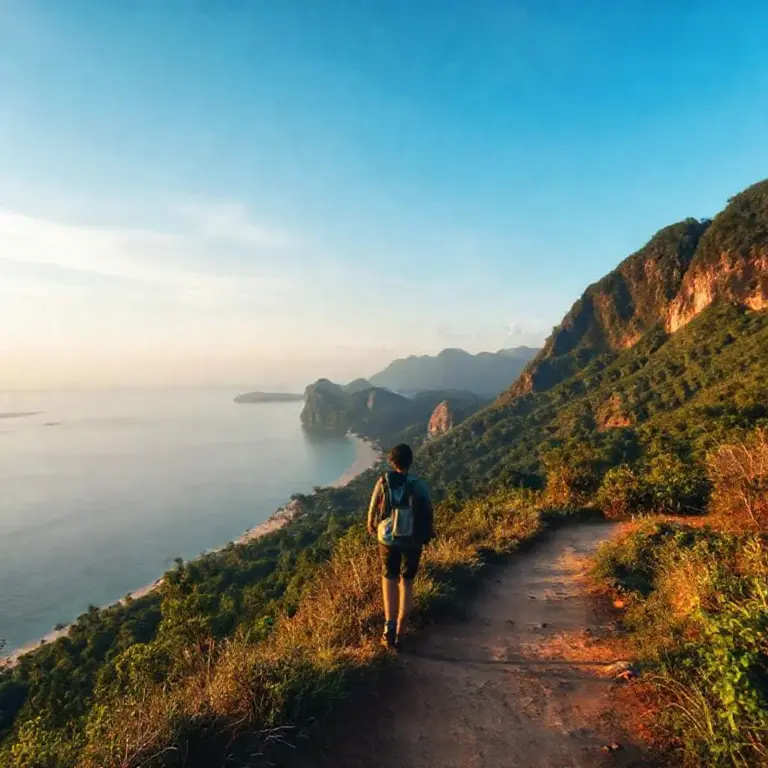
2. The Coastal Path: Laem Sok Beach (Early Morning)
Walking barefoot on the cool, damp sand offers intense tactile feedback—a powerful aid for beginners learning to anchor their attention. Ensure you walk during low tide for the most stable surface.
3. Nature Immersion: Khao Banthat Wildlife Sanctuary
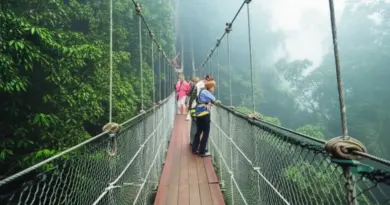
For those seeking deep forest immersion, designated, well-maintained trails within the Khao Banthat area offer stunning scenery. Always stick to marked paths here, as the jungle can be dense. This route is best suited for experienced walkers comfortable with the natural sounds of the forest.
Essential Gear for Walking Meditation
While walking meditation requires minimal gear, selecting the right items enhances comfort and focus. When Preparing for your walking meditation — routes, gear, safety, and local guides in Trat, remember that simplicity is key.
| Item | Description & Rationale | Icon |
|---|---|---|
| Footwear | Light, breathable shoes with thin soles (or none, if on sand/smooth indoor paths). Thick soles dampen the crucial tactile feedback. | |
| Attire | Loose, light-colored, and modest clothing appropriate for Thai culture and tropical heat. Breathability is crucial. | |
| Hydration | A reusable water bottle. Even short meditations require hydration in the tropical climate. | |
| Timekeeper | A simple, silent timer or wrist-watch. Avoid smartphone notifications entirely. |
Safety Protocols in Trat: A Trustworthy Approach
Safety is non-negotiable when practicing mindfulness in an unfamiliar environment. Adhering to local guidelines ensures your practice remains undisturbed and secure. This is a crucial element of demonstrating E-E-A-T in your travel planning.
Heat and Sun Management
Trat is hot and humid. Always meditate during the cooler parts of the day: early morning (5:30 AM – 7:30 AM) or late afternoon (4:00 PM – 6:00 PM). If walking in open areas, wear a light hat and use natural sunscreen. Never push past signs of dehydration.
Insects and Wildlife Awareness
When venturing into jungle or beach areas, apply insect repellent, especially during the rainy season. While large wildlife encounters are rare, be aware of your surroundings, particularly snakes near dense foliage. Stick to established, well-trodden paths.
Respecting Local Customs
When walking meditation takes place near or within religious sites, maintaining respectful silence and dress is mandatory. Always ask permission before practicing within temple boundaries. Local guides are invaluable for navigating these cultural nuances.
Connecting with Local Guides and Centers
To truly deepen your experience, connecting with local expertise is highly recommended. Local guides can offer context, access to private retreats, and ensure you are following the most appropriate etiquette.
Finding Established Meditation Centers
While Trat is quieter than major hubs, several smaller, dedicated Vipassana or Theravada centers operate in the region, often offering guided walking meditation sessions. Inquire at larger, well-known temples for referrals to local teachers who might host short, drop-in sessions. A helpful starting point is researching established Buddhist organizations in the Trat area. Explore official tourism resources for current center listings.
Utilizing Local Knowledge for Route Scouting
A local guide can point out hidden gems—a quiet lane lined with ancient rubber trees, or a rarely used coastal access point—that provide superior solitude for practice. They are also essential for translation and understanding local warnings regarding tides or weather changes.
Embedding Mindfulness: Integrating Kinhin into Your Day
The true mastery of walking meditation comes from integrating the awareness cultivated on the path into everyday movement. Use the techniques learned in Trat as you walk from your guesthouse to a restaurant or market. This sustained awareness is the ultimate souvenir from your journey.
To help visualize the contemplative atmosphere you are seeking, here is a short video demonstrating the focused attention required for successful walking meditation:
Conclusion: Carrying Trat’s Peace Within
By thoughtfully considering your routes, curating appropriate gear, prioritizing safety, and seeking local guidance, your experience Preparing for your walking meditation — routes, gear, safety, and local guides in Trat will be transformative. Trat provides the stillness; your mindfulness provides the depth. Embrace the slow rhythm of the walk, and carry the peace of Thailand’s east coast home with you.
คำถามที่พบบ่อย (FAQ)
-
Is it necessary to walk barefoot for walking meditation in Trat?
No, it is not necessary, especially on rough terrain or in crowded areas. However, if you are on soft sand or smooth, clean indoor surfaces, walking barefoot or in very thin-soled sandals can enhance the tactile feedback necessary for anchoring the mind.
-
What is the best time of day to practice Kinhin in Trat’s climate?
The best times are early morning (before 8:00 AM) and late afternoon (after 4:30 PM). These periods offer significantly cooler temperatures, lower humidity, and fewer distractions from local activity, which is vital for maintaining concentration.
-
Can I practice walking meditation near the popular Koh Chang ferry terminals?
It is strongly discouraged near busy transport hubs like the ferry terminals due to high noise levels, heavy traffic, and constant visual stimulation. Seek quieter, designated temple grounds or secluded beach stretches away from the main commercial areas for effective practice.
-
How long should a walking meditation session last for a beginner?
Beginners should start with short intervals, typically 10 to 15 minutes. Focus on quality of awareness over duration. Once comfortable, you can extend this to 20-30 minutes, often alternating with periods of seated meditation.
References
- Dharma Seed: Resources on Vipassana and Kinhin Instruction
- Official Tourism Authority of Thailand – Trat Province Guide
- Mindful pilgrimage and walking meditation in Trat’s mangrove forests: a serene guide to practice, places, and planning
- Why choose Trat’s mangrove forests for a mindful pilgrimage — benefits, best seasons, and what to expect
- Step-by-step walking meditation techniques tailored for mangrove environments