Planning Your Trip: Best Seasons, Access Points, Permits, and Local Regulations for Nakhon Si Thammarat headwaters
- Planning Your Trip: Best Seasons, Access Points, Permits, and Local Regulations for Nakhon Si Thammarat headwaters
- Understanding the Ecosystem: The Khao Luang Headwaters
- Access Points and Trailheads
- Permits and Fees: Navigating Bureaucracy
- Local Regulations and Environmental Stewardship
- Conclusion: Preparedness Equals Privilege
- คำถามที่พบบ่อย (FAQ)
- Is it safe to hike in the Nakhon Si Thammarat headwaters without a guide?
- Can I bring my own food and cook inside the park?
- How far in advance should I apply for trekking permits?
Venturing into the lush, biodiverse headwaters of Nakhon Si Thammarat province—the green heart of Southern Thailand—promises an unparalleled nature experience. This region, dominated by the Khao Luang mountain range, offers pristine rainforests, stunning waterfalls, and unique wildlife. However, responsible and successful travel hinges on meticulous preparation. This comprehensive guide focuses on Planning Your Trip: Best Seasons, Access Points, Permits, and Local Regulations for Nakhon Si Thammarat headwaters, ensuring your journey is respectful, safe, and compliant with local conservation efforts.
Understanding the Ecosystem: The Khao Luang Headwaters
The primary area of interest for trekkers and nature lovers is the Khao Luang National Park. This park is crucial for the regional water supply and hosts one of the most intact tropical rainforests left in Thailand. Expertise in navigating this environment means understanding its two main seasons.
Best Seasons for Visiting
Choosing the right time drastically affects trail conditions, safety, and overall enjoyment.
- The Cool/Dry Season (November to February): This is widely considered the optimal time. Temperatures are more moderate, humidity is lower, and rainfall is minimal. Waterfalls are still flowing robustly from the monsoon rains, offering spectacular views.
- The Hot Season (March to May): Expect intense heat and high humidity, making strenuous treks challenging. While beautiful, some smaller streams might begin to dry up.
- The Wet/Monsoon Season (June to October): This period sees heavy, frequent rainfall. Trails become extremely slippery, river crossings dangerous, and flash floods are a real risk, especially near lower-lying waterfalls. Many official trails may be temporarily closed for safety.
Access Points and Trailheads
Accessing the headwaters is concentrated around the main administrative centers of Khao Luang National Park. Understanding the main entry points is key to Planning Your Trip: Best Seasons, Access Points, Permits, and Local Regulations for Nakhon Si Thammarat headwaters.
Main Entry Gateways
The main hub is usually accessed via the city of Nakhon Si Thammarat (NST). From there, transport options include:
- Private Taxi/Grab: The most convenient but expensive option, offering direct drop-off near ranger stations.
- Local Songthaew or Minivan: Requires arranging transport from NST to the nearest accessible town near the park boundary (e.g., Thung Song or a specific sub-district).
- Rented Vehicle (4×4 Recommended): Provides the most flexibility, especially for reaching more remote trailheads, though road quality can degrade closer to the park interior.
Key Destinations within the Headwaters
While many paths exist, popular areas requiring specific permissions often include:
- Klong Wa Waterfall (Namtok Klong Wa): Often the first accessible point, good for day trips.
- Khao Luang Summit Trails: These multi-day treks require expert guidance and strict permits.
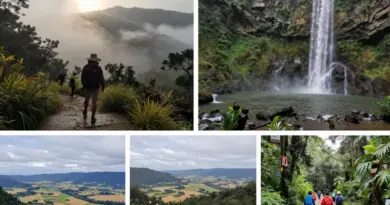
For context on the stunning natural beauty you are about to explore, here is a visual introduction to the region:
As a protected national park area, permits are non-negotiable. Failure to secure the correct documentation can result in heavy fines or immediate expulsion from the park boundaries.
National Park Entry Fees
Standard entry fees apply for foreigners at the main park entrance. These fees generally cover access to established areas. You can often check the current rate via the official Department of National Parks (DNP) website.
Trekking and Overnight Permits
For any serious trek into the deep headwaters, particularly toward the summit or multi-day routes, a special trekking permit is mandatory. This usually requires:
- Booking in Advance: Permits are limited to preserve the environment. Inquire at the park headquarters well before your intended start date.
- Hiring a Registered Guide: For deep treks, the DNP often mandates hiring a local, registered guide for safety and ecological monitoring. This is crucial for demonstrating trustworthiness in your activities.
- Proof of Insurance: Some remote areas may request evidence of travel or medical insurance.
Local Regulations and Environmental Stewardship
Adherence to local rules is paramount. The headwaters are fragile ecosystems, and authorities strictly enforce conservation laws. Understanding these regulations is the final, critical step in Planning Your Trip: Best Seasons, Access Points, Permits, and Local Regulations for Nakhon Si Thammarat headwaters.
The ‘Leave No Trace’ Mandate
The DNP strongly enforces ‘Leave No Trace’ principles:
| Regulation | Requirement | Rationale |
|---|---|---|
| Waste Management | Pack out absolutely everything you pack in. No burying trash. | Protecting wildlife from ingestion and contamination. |
| Fire Restrictions | Open fires are generally banned unless in designated campsites with explicit permission. | High risk of devastating forest fires in tropical climates. |
| Wildlife Interaction | Do not feed, touch, or disturb any animals or plants. | Maintaining natural behavior and ecosystem balance. |
| Camping Zones | Only camp in officially designated areas. | Preventing erosion and habitat destruction. |
Respecting Local Culture
While the focus is often on the physical environment, remember that the surrounding communities hold deep respect for the mountains. Dress modestly when passing through villages near the park gates, and always ask permission before photographing local residents or sacred sites. Showing respect for the local Thai way of life enhances your experience and fosters goodwill.
Conclusion: Preparedness Equals Privilege
The headwaters of Nakhon Si Thammarat offer a truly rewarding slice of Thailand’s wild side. By prioritizing the best seasons for travel, accurately planning your access points, securing all necessary permits well in advance, and strictly adhering to local regulations, you transition from being a mere visitor to a responsible steward of this precious natural heritage. Enjoy the trek, and tread lightly.
คำถามที่พบบ่อย (FAQ)
References
- Department of National Parks, Wildlife and Plant Conservation (DNP) Official Site
- Tourism Authority of Thailand (TAT) Official Information
- Nakhon Si Thammarat Headwater National Parks: Complete Leave No Trace Guide for Responsible Trekking and Camping
- On-Trail Practices: How to Hike Sustainably — Trail Etiquette, Waste Management, and Minimizing Campfire Impact
- Low-Impact Camping Techniques: Leave No Trace Gear, Campsite Selection, and Safe Food Storage in Tropical Forests