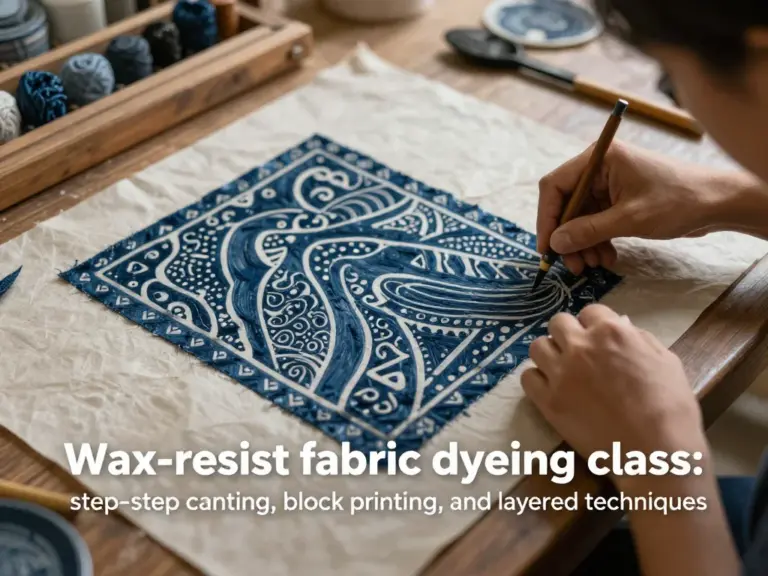
What wax-resist techniques taught in the class — step-by-step methods (canting, block printing, layering) and beginner tips
- What wax-resist techniques taught in the class — step-by-step methods (canting, block printing, layering) and beginner tips
Embarking on a creative journey through Thailand’s rich artistic heritage often leads travelers to the mesmerizing world of batik. The core of this ancient craft lies in wax-resist techniques, a process where molten wax is applied to fabric to prevent dye from penetrating specific areas. In professional workshops across Thailand—from the vibrant streets of Bangkok to the serene shores of Phuket—students are immersed in traditional methods that have been passed down through generations. This guide explores the essential techniques taught in these classes, providing a roadmap for beginners to master the art of wax-resist.
The Art of the Canting: Precision Drawing
The canting (pronounced ‘chanting’) is the quintessential tool of the batik artist. It is a small copper spout attached to a bamboo handle, used to ‘write’ with hot wax. This technique allows for intricate, freehand designs that define the unique character of Thai batik.
Step-by-Step Canting Method
- Design Sketching: Lightly trace your pattern onto the fabric using a pencil.
- Wax Preparation: Melt a mixture of paraffin and beeswax in a ‘wajan’ (small wok) until it reaches a watery consistency.
- Filling the Canting: Dip the copper reservoir into the wax. Wipe the spout to prevent accidental drips.
- Applying the Wax: Hold the tool like a pen and follow your sketch. The wax must penetrate through to the back of the fabric to create a perfect resist.
- Dyeing: Once the wax is dry, dip the fabric into a cold-water dye bath.
Batik Block Printing: Cultural Symmetry
For those who prefer geometric patterns and repetitive motifs, block printing (Batik Cap) is a vital skill. This wax-resist technique uses copper or wooden stamps to apply wax quickly and uniformly across large sections of fabric, a method often seen in Southern Thailand’s traditional sarongs.
Step-by-Step Block Printing Method
- Leveling the Fabric: Stretch the fabric over a padded table to ensure a flat surface for stamping.
- Heating the Stamp: Submerge the copper block into a large pan of hot wax until the metal reaches the same temperature as the liquid.
- The Stamp: Press the block firmly onto the fabric. Precision is key here to ensure the patterns align perfectly.
- Repetition: Continue the process, re-dipping the block into the wax for every print to maintain consistency.
Layering and Color Depth: The Multi-Dip Process
One of the most advanced wax-resist techniques taught in classes is layering. This involves multiple stages of waxing and dyeing to create a spectrum of colors on a single piece of cloth. It requires patience and a solid understanding of color theory.
The Layering Workflow
- First Waxing: Apply wax to areas you want to remain white.
- First Dye: Dip in the lightest color (e.g., yellow).
- Second Waxing: Apply wax over the yellow areas you wish to preserve.
- Second Dye: Dip in a darker color (e.g., blue). The exposed areas will turn green.
- Final Removal: Boil the fabric in water to melt away all wax layers, revealing the multi-colored masterpiece.
Essential Beginner Tips for Wax-Resist Success
Mastering wax-resist techniques takes practice. Here are a few tips to help you succeed in your first class:
- Temperature Control: If the wax is too cold, it won’t penetrate the fabric. If it’s too hot, it will spread too thin and ruin the lines.
- Steady Hands: Keep your movements fluid. Hesitation leads to wax blobs.
- Dry Thoroughly: Ensure the wax is completely hardened before entering the dye bath to avoid ‘crackle’ (unless that is your intended effect).
คำถามที่พบบ่อย (FAQ)
What is the best type of wax for batik?
A blend of beeswax (for flexibility) and paraffin wax (for adhesion and crackle) is typically used in professional Thai batik classes.
Can I do wax-resist at home?
Yes, but it requires specific tools like a heating source for the wax and specialized dyes. Taking a class first is highly recommended to learn safety protocols.
How do I remove the wax after dyeing?
The standard method is boiling the fabric in water with a small amount of soda ash, which helps release the wax from the fibers.
Is batik wax-resist eco-friendly?
Many workshops in Thailand are moving toward natural dyes and soy-based waxes to make the process more sustainable and environmentally friendly.
References
- Deep South Batik Class in Narathiwat: Learn Traditional Motifs and Wax Techniques from Local Masters
- What is Deep South batik and why Narathiwat is its cultural heart — history, significance, and search intent behind this class
- What traditional Narathiwat motifs you’ll learn — meanings, common patterns, and how to recognize authentic designs