Why choose a local-market-based Thai cooking class in Chiang Mai — authenticity, sustainability, and cultural immersion
- Why choose a local-market-based Thai cooking class in Chiang Mai — authenticity, sustainability, and cultural immersion
For travelers seeking more than just a souvenir, Chiang Mai offers an experience that delves deep into the heart of Thai culture: the cooking class. But not all classes are created equal. Choosing a local-market-based Thai cooking class in Chiang Mai transforms a simple culinary lesson into a profound journey of discovery. This approach prioritizes genuine interaction, supports local ecosystems, and guarantees an unparalleled level of authenticity, moving beyond the standard tourist fare to embrace the true spirit of Northern Thailand.
The Foundation of Flavor: Understanding Local Markets
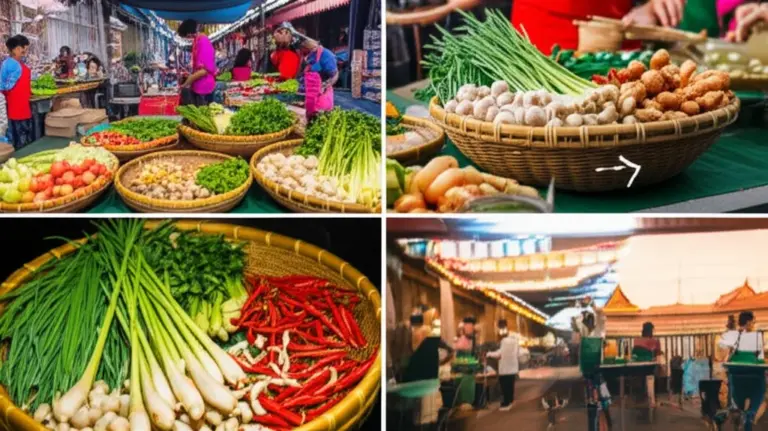
The local market (or Talad Sod) is the undisputed epicenter of Thai life and cuisine. It is here that the magic truly begins. A class that starts at the market provides essential context, connecting the final dish on your plate directly to the source of its ingredients. You learn to navigate the vibrant chaos, smell the fresh herbs, and understand the seasonality of produce—knowledge that is impossible to gain in a sterile classroom setting.
Beyond the Tourist Trail: Sourcing Ingredients
In a standard tourist class, ingredients are often pre-portioned and purchased in bulk from large suppliers. By contrast, a market-based class involves actively selecting and purchasing ingredients. You learn how to identify high-quality galangal versus ginger, distinguish between various types of Thai basil, and understand why certain spices are essential for specific regional dishes. This hands-on sourcing is the first, crucial step toward mastering authentic Thai flavors.
The Role of the Local Vendor
Interacting with local vendors is a key element of cultural immersion. Your instructor acts as a translator and guide, allowing you to witness the daily transactions and polite negotiations that define Thai commerce. This personal connection humanizes the food chain and offers insights into the community structure that mass tourism often overlooks.
Authenticity: Cooking the Real Lanna Way
Chiang Mai, the heart of the ancient Lanna Kingdom, boasts a distinct culinary tradition characterized by milder spice levels, reliance on pork, and unique herbal pastes. A truly authentic class focuses on these regional specialties, moving beyond the ubiquitous Pad Thai and Green Curry often taught elsewhere.
Mastering Northern Thai Cuisine
You will learn to prepare dishes that are staples in Northern Thai homes, such as the famous Khao Soi (curry noodle soup), Sai Oua (Northern Thai sausage), and Gaeng Hung Lay (Burmese-style pork belly curry). These recipes often require specific local techniques and ingredient combinations that only experienced local chefs possess and are willing to share.
| Dish | Key Ingredient |
|---|---|
| Khao Soi | Egg noodles, turmeric, coconut milk |
| Sai Oua | Pork, kaffir lime leaves, red curry paste |
| Nam Prik Ong | Ground pork, tomatoes, shrimp paste |
Hands-On Experience, Not Just Demonstration
Authenticity demands participation. In a local-market-based class, you are expected to do the work: pounding curry paste in a mortar and pestle, chopping vegetables using traditional methods, and regulating heat on a wok. This immersive, practical approach ensures that the skills you acquire are genuine and transferable, allowing you to recreate these complex flavors back home.
Sustainability and Ethical Tourism
Modern travelers prioritize ethical consumption, and choosing a cooking class is an opportunity to practice responsible tourism. The market-based model inherently supports sustainability in ways large, corporate classes cannot match.
Supporting the Local Economy Directly
- Direct Cash Flow: Money spent at the local market goes directly to small-scale farmers, producers, and vendors, strengthening community resilience.
- Preservation of Tradition: By choosing small, family-run classes, you help preserve traditional cooking methods and recipes that might otherwise be lost to globalization.
- Eco-Friendly Sourcing: These classes often utilize ingredients from small organic gardens or local farms, reducing the reliance on long-distance supply chains.
Reducing Food Waste and Carbon Footprint
Because ingredients are purchased fresh and in measured quantities for the day’s lesson, there is significantly less food waste compared to centralized operations. Furthermore, the focus on local sourcing drastically cuts down the carbon footprint associated with transporting exotic or non-seasonal ingredients. This commitment to sustainability makes the local-market-based Thai cooking class in Chiang Mai a superior choice for the conscious traveler.
Deep Cultural Immersion
The true value of a market-based class extends far beyond learning recipes. It offers a window into the daily rhythm of life in Northern Thailand, transforming the tourist experience into genuine cultural exchange.
Language, Etiquette, and Culinary History
Instructors often weave lessons on basic Thai phrases, polite etiquette (such as the importance of the wai), and the historical significance of the dishes you prepare. You learn not just how to cook the food, but why it is eaten in a certain way and when it is appropriate to share specific dishes. This context enriches your entire trip to Thailand.
Watch a snippet of the vibrant atmosphere you will encounter during your market tour.
Why Chiang Mai is the Ideal Location
Chiang Mai’s geographical location in the fertile North, surrounded by mountains and agricultural land, means it has a unique abundance of regional ingredients not found in the South or Central Plains. The city is smaller and less frantic than Bangkok, making the market experience more intimate and manageable. Furthermore, Chiang Mai is globally recognized as a hub for ethical and sustainable tourism initiatives, making it the perfect backdrop for this type of responsible culinary learning.
In conclusion, opting for a local-market-based cooking class in Chiang Mai is not merely an activity; it is an investment in authenticity, a commitment to sustainability, and the most rewarding path to true cultural immersion. It is the definitive way to bring the taste and spirit of Lanna Thailand home with you.
คำถามที่พบบ่อย (FAQ)
References
Tourism Authority of Thailand – Chiang Mai Culinary Focus
Sustainable Tourism Initiatives in Northern Thailand
- Thai cooking class in Chiang Mai using local market ingredients: The ultimate guide to authentic hands-on experiences
- How to find and book the best Chiang Mai classes that start at the market — tips, trusted operators, and long-tail search terms
- What to expect at the market tour — ingredients, vendor interactions, seasonal produce, and allergy/vegetarian options