What to expect at the market tour — ingredients, vendor interactions, seasonal produce, and allergy/vegetarian options
- What to expect at the market tour — ingredients, vendor interactions, seasonal produce, and allergy/vegetarian options
Embarking on a Thai market tour is not just a shopping trip; it is an immersive, sensory explosion that forms the backbone of Thailand’s world-renowned cuisine. For anyone planning a trip focused on Thailand Tourism, understanding market tour thailand expectations is essential to maximize the experience. From the pungent aroma of fresh herbs to the vibrant colors of exotic fruits, the local market is where the true flavors of the Kingdom are born. This guide prepares you for the sights, sounds, and tastes, ensuring you know how to navigate ingredients, interact respectfully with vendors, find seasonal produce, and manage crucial dietary restrictions.
The Sensory Dive: Essential Thai Ingredients and Produce
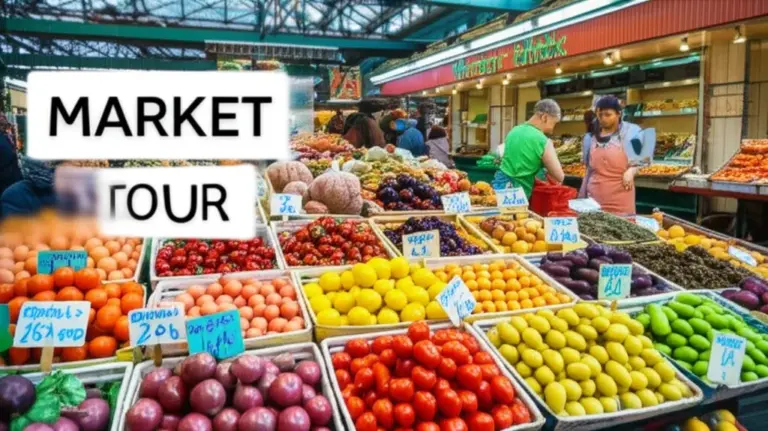
The market floor is a treasure trove of ingredients that define Thai cooking. Unlike Western supermarkets, everything here is hyper-fresh, often harvested that morning. Your guide, or simply your own curiosity, will lead you past mountains of chili peppers, delicate orchids, and large vats of fermented fish sauce, offering an authentic glimpse into the nation’s culinary heart.
Key Ingredients to Look For
Market tours often focus on the ‘holy trinity’ of Thai flavor: sour, spicy, and sweet. Expect to encounter ingredients you may have only seen dried or packaged before, emphasizing the importance of freshness in Thai preparation.
- Kaffir Lime (Makrut): Used for its intensely fragrant leaves and bumpy rind, essential for Tom Yum and curries.
- Chili Varieties: From the tiny, potent Prik Kee Noo Suan (mouse-dropping chili) to larger, milder varieties, forming the spice base of countless dishes.
- Shrimp Paste (Kapi): A critical, pungent element in many curry pastes and dipping sauces. Be prepared for the strong aroma—it’s a sign of quality!
- Curry Pastes: Observing vendors grinding fresh curry paste is a highlight of any market tour thailand expectations checklist. The vibrant colors—red, green, and yellow—indicate the key ingredients and spice levels.
Seasonal Delights: What’s Fresh Now?
Thailand’s tropical climate means produce changes throughout the year. Knowing the season can enhance your appreciation of the fruits and vegetables on display, often yielding the sweetest and most flavorful finds.
| Season | Primary Months | Must-Try Produce |
|---|---|---|
| Hot Season | March – May | Mangoes, Lychees, Mangosteen |
| Rainy Season | June – October | Durian, Rambutan, Dragon Fruit |
| Cool Season | November – February | Pomelo, Strawberries (Northern), Longan |
Mastering Vendor Interactions: Tips for the Thai Market Tour
The relationship between vendors and customers is built on politeness and respect. Thai market tours often include specific interactions, such as learning to select the best produce or attempting to bargain (though bargaining is usually reserved for non-food items in local markets, not daily staples).
Language and Etiquette
A simple ‘Wai’ (a slight bow with hands pressed together) and a few key phrases go a long way. Vendors appreciate the effort and goodwill shown by tourists attempting to speak Thai. Always smile, be patient, and avoid touching produce unless you intend to buy it, or the vendor invites you to inspect it, as this is considered impolite.
- Sawasdee krap/ka (Hello/Thank you)
- Tao rai? (How much?)
- Mai phet (Not spicy)
The Art of Tasting and Selection
If you are on a guided tour, your expert will often handle the buying, but observing their selection process is invaluable. They might squeeze a lime, sniff a stalk of lemongrass, or ask for a small sample of a specialty item like palm sugar. Don’t be shy about asking your guide about the provenance of the goods—many vendors source from specific regions known for quality, adding depth to your understanding of Thai ingredients.
This is perhaps the most critical aspect for modern travelers. Thai cuisine heavily relies on fish sauce, shrimp paste, and peanuts. Communicating your needs clearly is paramount to a safe and enjoyable experience. Market tours often excel at this, as guides can translate and point out safe options directly from the raw ingredients, allowing you to participate confidently.
Communicating Allergies (Crucial Phrases)
While the raw ingredients section of the market is usually safe, preparation areas require caution. If you have severe allergies (especially peanuts, shellfish, or gluten), carry an allergy card translated into Thai. A good guide will ensure vendors understand the seriousness of the restriction, providing peace of mind during your market tour.
Finding Vegetarian and Vegan Gems
While fish sauce and oyster sauce are pervasive, finding vegetarian options is becoming easier, especially in major tourist hubs. When conducting a market tour thailand expectations should include discovering specialized stalls. Look for the yellow or red flags indicating Jay (เจ), which signifies strict vegan/vegetarian food (no meat, eggs, dairy, or strong-smelling vegetables like garlic and onion).
Common vegetarian items found in the market include fresh spring rolls (Popiah Sod), mango sticky rice (Khao Niao Mamuang), various steamed desserts (Khanom Wan), and an incredible array of fresh tofu products and preserved vegetables.
Beyond the Ingredients: The Cultural Experience
Market tours are not just about shopping; they are about witnessing the rhythm of daily Thai life. Many tours include a stop at a local temple or a demonstration of traditional cooking techniques, such as mortar-and-pestle grinding. This immersion is vital for understanding why Thai food tastes the way it does—it’s rooted in tradition, freshness, and community.
Watch this video to get a real sense of the bustling energy and vibrant colors you will encounter on a traditional Thai market tour.
Whether you are exploring the vast, organized chaos of Bangkok’s Or Tor Kor Market or the charming riverside stalls of a floating market, the experience is unforgettable. Be sure to carry small denominations of Thai Baht (THB), as many vendors do not accept cards and prefer exact change for quick transactions.
Many of the best market tours operate in and around the capital, offering easy access for tourists seeking authentic ingredients.
Conclusion
A market tour is the essential first step in any Thai culinary journey. By setting realistic market tour thailand expectations regarding the ingredients, vendor interactions, seasonal availability, and dietary challenges, you ensure a richer, more educational, and safer experience. Prepare to be delighted by the complexity and freshness that define truly authentic Thai cooking, and remember that patience and a smile are your best tools for navigating the bustling market aisles.
คำถามที่พบบ่อย (FAQ)
References
Tourism Authority of Thailand Official Website
Serious Eats Guide to Essential Thai Ingredients
- Thai cooking class in Chiang Mai using local market ingredients: The ultimate guide to authentic hands-on experiences
- Why choose a local-market-based Thai cooking class in Chiang Mai — authenticity, sustainability, and cultural immersion
- How to find and book the best Chiang Mai classes that start at the market — tips, trusted operators, and long-tail search terms