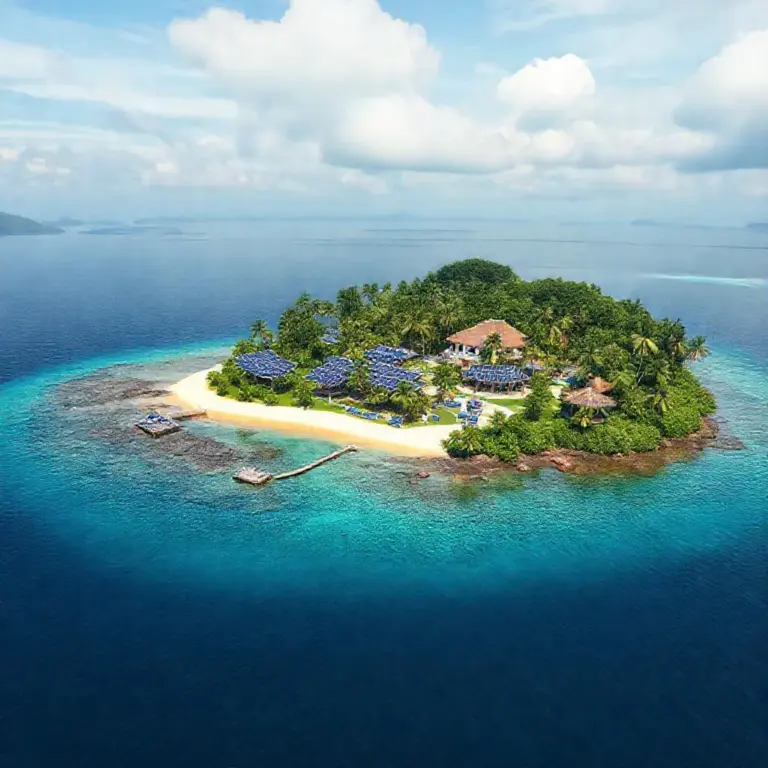
Renewable energy solutions powering island resorts — solar PV, battery storage, microgrids, and hybrid systems adapted to Koh Kood
- Renewable energy solutions powering island resorts — solar PV, battery storage, microgrids, and hybrid systems adapted to Koh Kood
- The Challenge: Energy Isolation on Thailand’s Islands
- The Backbone of Resilience: Battery Energy Storage Systems (BESS)
- Hybrid Systems: The Path to 100% Renewables
- Implementing Renewable Energy: Key Considerations for Koh Kood Operators
- Conclusion: Powering the Future of Thai Island Hospitality
- คำถามที่พบบ่อย (FAQ)
- Is it possible for a Koh Kood resort to run 100% on solar power?
- How long does it take for solar PV installation to pay for itself at a Thai island resort?
- What is the primary benefit of using a microgrid over just solar panels?
- Are there specific environmental regulations for renewable energy installations in Trat province?
- References
The pristine, remote beauty of Koh Kood makes it a jewel in Thailand’s tourism crown. However, this very isolation presents unique challenges for powering luxury resorts. Traditional diesel generators are costly, noisy, and environmentally damaging. This article explores the cutting-edge **renewable energy solutions powering island resorts — solar PV, battery storage, microgrids, and hybrid systems adapted to Koh Kood**, offering a blueprint for sustainable, reliable energy independence for Thailand Tourism.
For operators in destinations like Koh Kood, where grid infrastructure is non-existent or unreliable, energy resilience is paramount. A power outage can instantly transform a five-star experience into a disaster. The integration of modern renewable technologies is no longer a niche luxury; it is a fundamental operational requirement for attracting the modern, eco-conscious traveler.
The Challenge: Energy Isolation on Thailand’s Islands
Island resorts face a trifecta of energy hurdles: high logistical costs for fuel delivery, fluctuating energy demand based on occupancy, and the critical need to minimize environmental impact to preserve the natural assets that draw visitors. Diesel fuel must be shipped to remote locations, incurring massive transportation overheads and significant carbon emissions. This context makes the shift toward localized, self-sufficient power generation extremely attractive.
Solar Photovoltaics (PV): Harnessing the Tropical Sun
Thailand enjoys high solar irradiation levels year-round, making Solar PV the foundational element for any island energy strategy. For Koh Kood resorts, PV arrays can be strategically placed on rooftops, over parking areas (carports), or in less intrusive ground-mount arrays. The key advantage is zero fuel cost after initial installation.
Effective implementation requires high-efficiency panels designed to withstand tropical humidity and intense UV exposure. Furthermore, system sizing must account for peak demand times, which often occur in the late afternoon when the sun begins to dip, but air conditioning loads remain high.
The Backbone of Resilience: Battery Energy Storage Systems (BESS)
Solar energy alone is intermittent. This is where Battery Energy Storage Systems (BESS) become indispensable. Modern lithium-ion batteries (often NMC or LFP chemistries) allow resorts to store excess daytime solar generation to power operations overnight or during cloudy spells.
Optimizing Discharge Cycles
The BESS acts as a buffer, smoothing out the variability of solar input and reducing the reliance on diesel generators. For a luxury resort, this means silent, uninterrupted power for critical services like kitchen refrigeration, guest Wi-Fi, and essential lighting, significantly enhancing the guest experience.
Embedding Sustainable Luxury: Microgrids for Resorts
The true potential of **renewable energy solutions powering island resorts — solar PV, battery storage, microgrids, and hybrid systems adapted to Koh Kood** is realized through the creation of a self-contained microgrid. A microgrid is essentially a localized power network that can operate independently from the main utility grid (or, in Koh Kood’s case, operate independently of external fuel supply chains).
This system intelligently manages all energy sources—solar, battery, and backup diesel—ensuring optimal efficiency. The microgrid controller prioritizes solar first, then draws from the battery, and only engages the diesel generator (if necessary) during prolonged low-generation periods or extreme peak loads.
Hybrid Systems: The Path to 100% Renewables
Achieving 100% renewable energy on a remote island is ambitious but achievable through sophisticated hybrid systems. These systems combine the core elements (Solar PV + BESS) with smart energy management software and, crucially, a highly efficient, smaller diesel generator used only as a failsafe or ‘peaker’ plant.
For maximum environmental benefit, some forward-thinking resorts are exploring additional renewable inputs, though these are less common on smaller islands:
- Small-scale wind turbines (where wind resources permit).
- Waste-to-Energy or Biomass conversion from resort organic waste (a circular economy approach).
- Advanced power electronics for seamless switching and load management.
The strategic adaptation of these technologies to Koh Kood requires deep local knowledge, understanding seasonal weather patterns, and ensuring compliance with Thai energy regulations for distributed generation.
Video Overview: Microgrids in Action
Case Study Relevance for Thailand Tourism
When resorts on islands like Koh Kood successfully implement these systems, the marketing benefits are substantial. Guests are increasingly willing to pay a premium for verifiable sustainability. Showcasing a silent, solar-powered villa contributes directly to the resort’s brand image, aligning with Thailand’s broader goals for green tourism development.
The operational savings—drastically reduced diesel consumption and maintenance—also provide a rapid return on investment (ROI), making the business case for robust **renewable energy solutions powering island resorts — solar PV, battery storage, microgrids, and hybrid systems adapted to Koh Kood** undeniable.
Implementing Renewable Energy: Key Considerations for Koh Kood Operators
Successfully deploying these complex systems requires specialized engineering expertise that understands the unique tropical environment:
- Site Assessment: Detailed analysis of shading, roof load-bearing capacity, and optimal BESS placement (away from direct sun/humidity).
- Load Profiling: Accurate mapping of hourly energy consumption to size the PV array and battery bank correctly for maximum self-sufficiency.
- Permitting and Interconnection: Navigating local regulations for energy generation, even for off-grid systems.
- Maintenance Protocols: Establishing scheduled maintenance for cleaning panels and monitoring battery health to ensure longevity in the harsh marine environment.
| Component | Primary Benefit for Island Resorts | Technical Challenge |
|---|---|---|
| Solar PV | Zero fuel cost, silent operation | Intermittency, land/roof space constraints |
| BESS | Nighttime power, grid stability | High initial capital cost, degradation over time |
| Microgrid Controller | Optimized energy dispatch | Complexity of programming for hybrid sources |
| Diesel Generator (Backup) | Emergency resilience | Requires fuel logistics, high emissions |
Conclusion: Powering the Future of Thai Island Hospitality
The transition to decentralized, smart energy systems is the defining trend for remote hospitality. By embracing integrated Solar PV, robust Battery Storage, and intelligent Microgrids, resorts on Koh Kood can secure reliable power, drastically cut operational expenses, and cement their status as leaders in sustainable luxury tourism within Thailand. Investing in these **renewable energy solutions powering island resorts — solar PV, battery storage, microgrids, and hybrid systems adapted to Koh Kood** is an investment in long-term viability and brand reputation.
คำถามที่พบบ่อย (FAQ)
Is it possible for a Koh Kood resort to run 100% on solar power?
It is technically possible but highly challenging due to the need for massive battery storage to cover multiple consecutive cloudy days or nights. Most successful systems utilize a hybrid approach, relying on solar and battery storage for 90-98% of needs, with a small, efficient diesel backup.
How long does it take for solar PV installation to pay for itself at a Thai island resort?
The payback period varies based on the existing energy source (diesel cost) and system size, but typically ranges from 4 to 7 years, heavily accelerated by the high cost of transporting diesel fuel to remote islands.
What is the primary benefit of using a microgrid over just solar panels?
The microgrid controller is the intelligence that manages the flow between solar, batteries, and backup generators. It ensures stability, prevents blackouts, optimizes charging/discharging cycles, and maximizes the use of free solar energy, which simple standalone solar systems cannot do.
Are there specific environmental regulations for renewable energy installations in Trat province?
While renewable energy is encouraged, installations must adhere to local environmental impact assessments (EIA) and building codes, especially concerning coastal zone development and land use, which requires consultation with provincial authorities.
References
International Renewable Energy Agency (IRENA) Reports on Island Grids. Thailand Now Official Tourism Portal. International Energy Agency (IEA) Data on Energy Storage.
- Eco-resort stay on Koh Kood: wastewater treatment and renewable energy in action — sustainable hospitality that guests can experience
- Why choose an eco-resort on Koh Kood? — search intent, benefits of visiting, and what sustainable practices travelers care about
- How Koh Kood eco-resorts treat wastewater — onsite systems, natural wetlands, sequencing batch reactors, and water reuse for landscaping