Why Trang’s Seagrass Meadows and Dugongs Matter: Ecology, Threats, and Conservation Goals of the Kayak Tour
- Why Trang’s Seagrass Meadows and Dugongs Matter: Ecology, Threats, and Conservation Goals of the Kayak Tour
Welcome to the Andaman Coast of Thailand, a region often celebrated for its limestone karsts and pristine beaches. However, beneath the turquoise surface, particularly in the waters surrounding Trang province, lies an ecosystem of immense global significance: the vast seagrass meadows, home to the gentle giants of the sea, the Dugongs. Understanding Trang’s Seagrass Meadows and Dugongs Matter is essential for any responsible traveler engaging in eco-tourism, such as the popular kayak tours in this area. This article explores the critical ecology, the acute threats these species face, and how sustainable tourism plays a crucial role in their conservation.
The Unsung Heroes: Seagrass Meadows of Trang
Seagrass meadows are often overlooked in favor of coral reefs, yet they are among the planet’s most important coastal habitats. In Trang, these meadows form underwater prairies, providing essential services that support marine biodiversity. These thriving underwater gardens are not just pretty; they are the foundation of the local food web.
Ecological Significance of Seagrass Beds
Seagrass ecosystems perform critical functions:
- Carbon Sequestration: They are incredibly effective ‘blue carbon’ sinks, storing carbon dioxide at rates significantly higher than tropical rainforests, helping to mitigate climate change.
- Coastal Protection: Their dense root systems stabilize sediments, reducing coastal erosion and protecting shorelines from storm surges.
- Nursery Grounds: They act as vital nurseries for countless commercially important fish, shrimp, and crab species, directly supporting local Thai fisheries.
- Biodiversity Hotspots: They provide food and shelter for species ranging from sea turtles to various invertebrates.
The Sirenians of the Andaman: Why Dugongs Matter
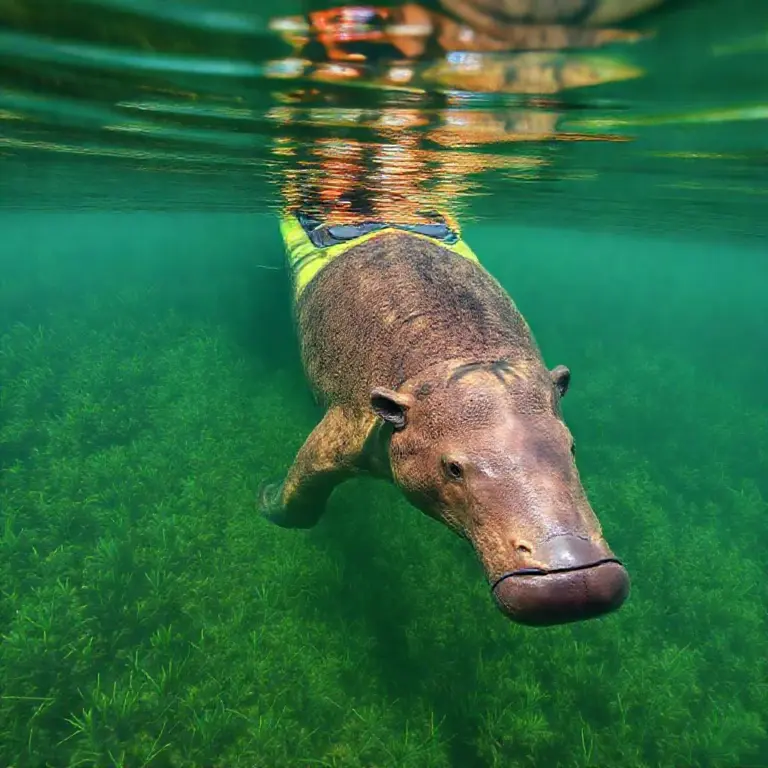
The Dugong (Dugong dugon), often called the ‘sea cow,’ is the primary resident dependent on these Trang meadows. These gentle, herbivorous marine mammals graze exclusively on seagrass, making the health of the meadows directly proportional to their survival. The population in Trang is one of Thailand’s most significant, making their conservation a national priority.
The Role of Kayak Tours in Observation and Education
Responsible kayak tours offer visitors a non-invasive way to witness these magnificent creatures in their natural habitat. Unlike motorized boats, kayaks minimize noise pollution and physical disturbance. This low-impact approach is central to the eco-tourism model here, ensuring that the experience enhances, rather than harms, the environment. Tourists gain firsthand appreciation for Trang’s Seagrass Meadows and Dugongs Matter when they see them grazing peacefully.
Expert Tip: Responsible Viewing
When kayaking near dugong habitats, maintain a minimum distance of 50 meters, avoid sudden movements, and never attempt to feed or touch the animals. Ethical observation is the best form of support.
Critical Threats Facing Trang’s Marine Life
Despite their protected status, the dugongs and their seagrass homes face increasing pressure from human activities. Addressing these threats is the core mission of local conservation efforts.
Habitat Degradation and Pollution
The primary threat is the degradation of the seagrass itself. Runoff from agricultural fertilizers, untreated sewage, and sedimentation from coastal development cloud the water, blocking the sunlight necessary for seagrass photosynthesis. Furthermore, destructive fishing practices, such as bottom trawling (though less prevalent directly in the core zones, residual damage remains), physically rip up the meadows.
Bycatch and Vessel Strikes
Dugongs often get entangled in fishing nets (bycatch), leading to drowning. While motorized traffic is restricted in core observation areas, the increasing boat traffic in peripheral zones poses a collision risk to these slow-moving marine mammals.
Conservation Goals Supported by Sustainable Tourism
The conservation strategy for Trang’s dugongs relies on a multi-pronged approach where local communities, scientists, and tourists intersect. Sustainable kayak tours are not just leisure activities; they are direct contributors to funding and advocating for these goals.
Monitoring and Research
Proceeds from regulated kayak tours often fund local marine biology projects. These projects involve:
- Mapping the extent and health of the seagrass beds annually.
- Conducting population counts and tracking individual dugongs using photo-identification techniques.
- Developing early warning systems for potential threats like major pollution events.
Community Engagement and Economic Alternatives
By providing reliable income through eco-tourism, local fishermen are incentivized to become stewards of the sea rather than exploiters of its resources. This shift in economic focus is vital for long-term success. The kayak guides, often former fishers, are now passionate educators, sharing their deep, experiential knowledge of the area.
The Kayak Tour Experience: Immersion and Impact
A guided kayak tour in the Mu Ko Libong area (a key habitat near Trang) provides an intimate look at this delicate balance. Paddling silently allows visitors to experience the environment as marine life does, fostering a powerful connection. This connection is what transforms a casual tourist into an advocate for conservation.
To truly appreciate the soundscape of the Andaman and the importance of minimal disturbance, consider this video showcasing marine sounds and the environment:
The future sustainability of this unique Thai coastal treasure hinges on the balance between tourism access and strict environmental protection. Every traveler choosing a certified, low-impact tour directly contributes to ensuring that the gentle dugongs continue to graze peacefully in Trang’s vital seagrass meadows for generations to come.
คำถามที่พบบ่อย (FAQ)
References
IUCN Red List Assessment for Dugong dugon
Thai Ecotourism Association Guidelines
- Seagrass and Dugong Conservation Kayak Tour in Trang with Local Rangers: What to Expect, How to Prepare, and How You Help Protect Marine Life
- What the Kayak Tour Includes: Route, Activities, Ranger-Led Education, Safety, and Best Times to Go
- How to Prepare for the Tour: Packing List, Physical Requirements, Responsible Wildlife Viewing, and Ethical Photography Tips