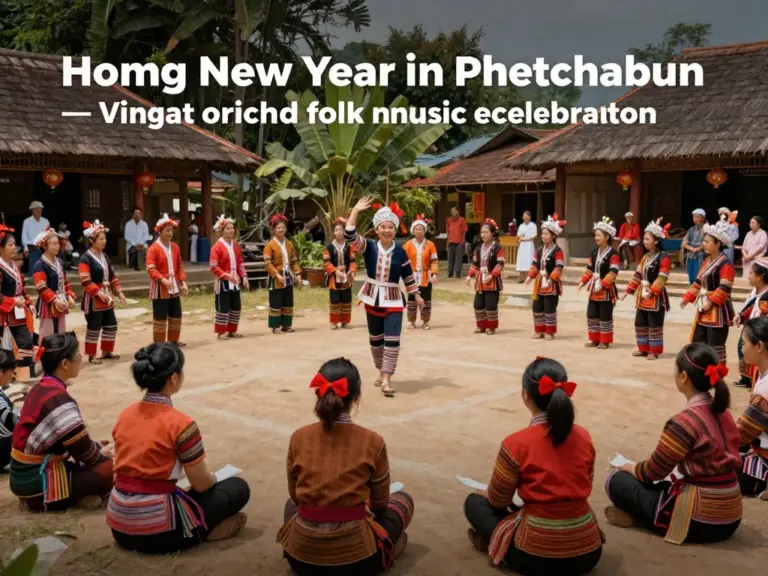
Hmong New Year in Phetchabun: Traditional Dress, Games, Music, and How to Experience Them Authentically
- Hmong New Year in Phetchabun: Traditional Dress, Games, Music, and How to Experience Them Authentically
The Hmong New Year in Phetchabun is not just a festival; it is a vibrant tapestry of ancestral heritage, social connection, and cultural pride woven into the misty mountains of Northern Thailand. Celebrated annually at the end of the harvest season, typically during the 12th lunar month, this event transforms villages like those in Khao Kho and Phu Thap Boek into a kaleidoscope of colors. For travelers seeking an authentic glimpse into the soul of the Hmong people, Phetchabun offers one of the most picturesque and welcoming settings in the country.
The Significance of Hmong New Year in Phetchabun
For the Hmong community, the New Year (Noj Peb Caug) marks the completion of a year’s hard work in the fields. It is a time to give thanks to ancestors, seek blessings for the coming year, and allow the youth to socialize. In Phetchabun, the high altitude and cool climate provide a perfect backdrop for the festivities, which usually span several days. The air is filled with the scent of traditional foods and the sounds of laughter as families reunite from across the province.
Traditional Dress: A Symbol of Identity
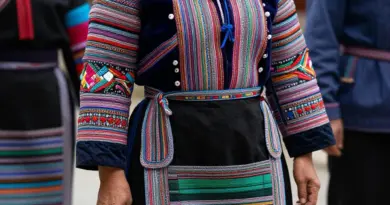
One of the most striking aspects of the Hmong New Year in Phetchabun is the exquisite traditional attire. Both men and women spend months hand-stitching their outfits, which are heavy with intricate embroidery, batik patterns, and silver ornaments. The Phetchabun Hmong often belong to the Green Hmong (Hmong Njua) or White Hmong (Hmong Daw) subgroups, each distinguished by specific patterns on their pleated skirts or tunics. The silver jewelry worn by women—necklaces, earrings, and headpieces—is believed to protect the soul and signifies the family’s wealth and status.
Traditional Games: Pov Pob and Beyond
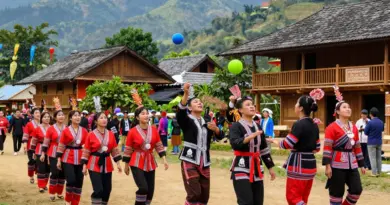
The heart of the social celebration is the ‘Pov Pob’ or ball-tossing game. Young men and women form two lines facing each other and toss a cloth ball back and forth. While it looks like a simple game, it is a traditional form of matchmaking, allowing youth to converse and get to know one another while showing off their best clothes.
Other traditional games include spinning top competitions (Tulu), where men demonstrate precision and strength, and crossbow shooting. These activities are not just for entertainment; they are a way to preserve the skills that were once essential for mountain life and survival.
The Soulful Sounds of Hmong Music
Music is the spiritual language of the Hmong. During the New Year, you will hear the hauntingly beautiful melodies of the ‘Kheng’ (a bamboo mouth organ). The Kheng is used in both celebrations and rituals, its sounds said to communicate with the spirit world. Traditional singing, often involving poetic ‘Hmong songs’ (Lus Taum), features lyrics about history, love, and the challenges of life. Listening to these performances amidst the rolling hills of Phetchabun is a deeply moving experience.
| Element | Significance |
|---|---|
| Silver Jewelry | Protection of the soul and family status |
| Pov Pob Ball | Symbol of courtship and social connection |
| Kheng Music | Communication with ancestors and spirits |
| Corn Wine | Hospitality and celebratory toasts |
How to Experience the Festival Authentically
To truly enjoy the Hmong New Year in Phetchabun, visitors should head to major Hmong settlements such as Phu Thap Boek or the Khao Kho highland areas. Respect is paramount: always ask for permission before taking close-up photos of individuals, especially in their traditional finery. While the festival is a time of joy, it is also a sacred cultural event. Participating in the ball-tossing if invited, or trying local Hmong dishes like black chicken soup or freshly pounded sticky rice (Khau Puk), will deepen your connection to the culture.
คำถามที่พ่อย (FAQ)
What is the best time to visit Phetchabun for the Hmong New Year?
The festival usually takes place in late December or early January. It is best to check with the Tourism Authority of Thailand (TAT) Phetchabun office in November for the specific dates of the current year.
Can tourists wear Hmong traditional clothing?
Yes, many villages have stalls where you can rent traditional Hmong outfits for a small fee to take photos. It is considered a gesture of appreciation for their culture, provided it is done respectfully.
Are there entrance fees for the festival?
Most village celebrations do not have a formal entrance fee, as they are community events. However, visitors are encouraged to support the local economy by purchasing food, crafts, or using local transport services.
Where are the main celebration sites in Phetchabun?
The most popular sites include the Hmong villages at Phu Thap Boek (Lom Kao District) and various communities throughout the Khao Kho highlands.
References
- Tourism Authority of Thailand (TAT) Official Website
- Phetchabun Provincial Administration
- UNESCO Intangible Cultural Heritage – Hmong Traditions