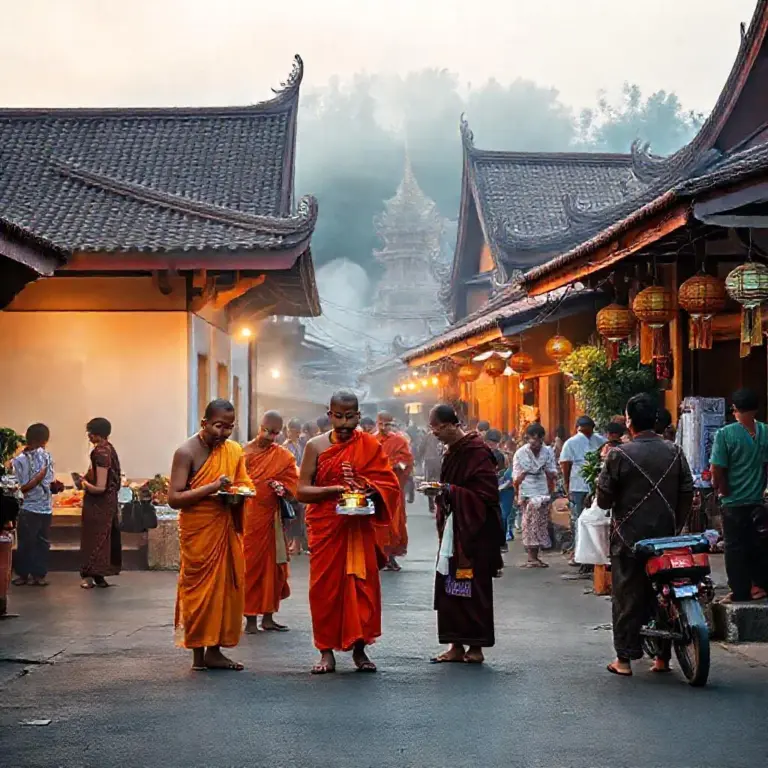
How to find authentic alms-giving opportunities in Chiang Rai — best neighborhoods, temples, and community events
- How to find authentic alms-giving opportunities in Chiang Rai — best neighborhoods, temples, and community events
For travelers seeking a deeper connection with Thai culture, participating in the daily morning alms round, known as Tak Bat, is a profound experience. This act of generosity, where Buddhists offer food to monks, is central to Theravada Buddhist practice. If you are visiting the beautiful, mountainous province of Chiang Rai, knowing How to find authentic alms-giving opportunities in Chiang Rai is crucial for ensuring your participation is respectful and meaningful. This guide will illuminate the best times, places, and cultural etiquette to observe this sacred tradition.
Unlike the highly commercialized spots sometimes found in larger cities, Chiang Rai retains a more intimate and authentic atmosphere for this daily ritual. Our goal is to help you engage responsibly, honoring the monks and the local community spirit.
Understanding Tak Bat: Respect and Etiquette
Before seeking out the best locations, understanding the cultural context is paramount. Alms-giving is not a tourist show; it is a spiritual necessity for the monastic community. Observe these guidelines to maintain the sanctity of the practice:
- Dress Code: Always dress modestly. Shoulders and knees must be covered for both men and women. Light, respectful clothing is best.
- Offerings: Traditionally, sticky rice (khao niao) is the primary offering. Pre-packaged, freshly cooked food is acceptable, but avoid overly strong smells or complex dishes. Keep offerings simple.
- The Process: Wait quietly near the designated area. When the monks approach, place your offering directly into their alms bowl. Do not touch the monk or their bowl.
- Silence is Key: Maintain silence. Do not speak to the monks unless spoken to, and never take photographs of the monks while they are receiving alms, especially up close.
Best Time of Day for Alms Giving
The ritual generally occurs just after sunrise, typically between 6:00 AM and 7:30 AM. The exact time can vary slightly depending on the specific temple’s schedule and the time of year. Arriving by 6:15 AM gives you time to settle in without disrupting the flow.
Where to Find Authentic Alms Giving in Chiang Rai
While you can witness monks walking in many parts of the city, certain neighborhoods and temples offer a more reliable and traditional experience. Focusing on local residential areas over major tourist thoroughfares is the best way to find authentic opportunities. Here are the prime spots for How to find authentic alms-giving opportunities in Chiang Rai:
1. Wat Phra Kaew (Temple of the Emerald Buddha) Vicinity
While Wat Phra Kaew itself is a major landmark, the surrounding older residential streets, particularly those heading west towards the Kok River, often host monks from nearby smaller monasteries. The atmosphere here is generally more respectful than in the very center of the night bazaar area.
2. Wat Rong Suea Ten (The Blue Temple) Area
Although the temple itself draws many tourists, the neighborhood just outside its immediate vicinity retains strong community ties. Look for monks walking south along the main road leading away from the temple entrance early in the morning. This area often attracts monks from smaller, less visible Wats.
3. Local Markets and Residential Hubs
For the most genuine experience, head away from the main tourist loop. The areas near the **Chiang Rai Clock Tower** early in the morning, or the residential lanes near the Tourism Authority of Thailand (TAT) Office, provide glimpses into daily monastic life uninterrupted by large tour groups. Ask a local guesthouse owner for the nearest small, local Wat (like Wat Ming Mueang) that still observes the morning procession.
Special Community Events and Festivals
While daily alms giving is common, specific religious holidays feature larger, more organized merit-making events. These offer unique opportunities to observe community-wide devotion.
Buddhist Holy Days (Ubosot Days)
Buddhist holy days (Ubosot or Wan Phra) occur roughly every two weeks. On these days, the number of monks collecting alms may be higher, and the community participation is more pronounced. Check the Thai lunar calendar for the exact dates during your visit.
Loy Krathong and Songkran
During major festivals like Songkran (Thai New Year) in April, large merit-making ceremonies are often organized in front of major temples. These are grander affairs but still rooted in the tradition of giving. Participation often involves more than just food, such as offering water or small tokens of good luck.
While the street processions are the most common form, some temples also organize structured morning offerings where visitors can participate more directly, often with guidance. These structured events are excellent for first-timers looking to learn the ropes safely.
Wat Phra That Doi Tung Royal Villa Area
Located slightly outside the city center, the area around Doi Tung often hosts monks from the surrounding mountain communities. If you are taking a day trip up to this revered site, inquire locally; the merit-making here is deeply connected to the Lanna traditions of the region.
Wat Klang Wiang (Central Temple)
This central temple often has monks setting out from its gates. It’s a good middle ground—accessible, but generally respected by locals who frequent it for their own daily rituals. Consider visiting the temple grounds after the procession to observe the monks’ morning chanting.
The Map of Merit: Key Locations Summary
To help you plan your early morning itinerary, here is a visualization of where these quiet street processions are most commonly observed.
Conclusion: Making Merit the Chiang Rai Way
Participating in Tak Bat in Chiang Rai offers a beautiful, quiet counterpoint to the city’s vibrant daytime attractions. By prioritizing respect, dressing appropriately, and choosing quieter, local neighborhoods over crowded tourist hubs, you ensure that your act of giving remains authentic and honors the deep spiritual heritage of Northern Thailand. Master the etiquette, choose your spot wisely, and enjoy one of the most rewarding cultural experiences the region offers.
References
คำถามที่พบบ่อย (FAQ)
Here are answers to common questions travelers have about alms giving in Chiang Rai.
| # | Question | Answer |
|---|---|---|
| 1 | What should I offer the monks in Chiang Rai? | The most traditional and appreciated offering is freshly cooked sticky rice (khao niao). Simple, non-spicy food items are also acceptable. |
| 2 | Is it okay to give money instead of food? | While some temples may accept donations, the traditional practice of Tak Bat involves offering sustenance (food). Cash is generally discouraged during the morning procession itself. |
| 3 | Can I take photos during the alms round? | It is strongly discouraged to take photos while the monks are actively receiving alms. If you must take photos, do so from a great distance, ensure you are not obstructing the path, and always ask permission first if approaching a smaller group. |
| 4 | What time should I arrive to participate respectfully? | Aim to be in position by 6:15 AM. This allows you to observe the local customs before the procession begins, which usually starts between 6:30 AM and 7:00 AM. |
- Join morning alms-giving in Chiang Rai with the local community: Complete guide for first-timers and cultural respect
- What to expect at a Chiang Rai morning alms-giving ceremony — schedule, rituals, and local etiquette for visitors
- Preparing to participate: what to wear, what to bring (offering items), and step-by-step instructions for giving alms respectfully