Bangkok’s Grand Palace & Wat Pho: A Complete Guide to Thailand’s Most Iconic Temples and Historic Landmarks
When planning a trip to Thailand, few experiences compare to the spiritual and cultural resonance of visiting Bangkok’s Grand Palace & Wat Pho. These two sites stand as the pinnacle of Thai architectural heritage, drawing millions of visitors annually who seek to understand the heart of the Kingdom. Whether you are a history buff, a photography enthusiast, or simply a traveler looking for the soul of Bangkok, these landmarks are non-negotiable stops on your itinerary.
The Grand Palace: A Masterpiece of Thai Royalty
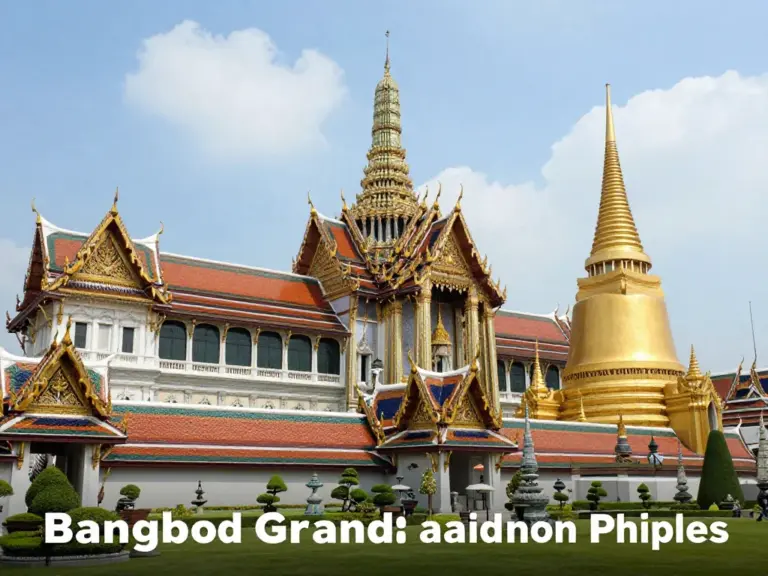
The Grand Palace has been the official residence of the Kings of Siam (and later Thailand) since 1782. It is not just a single building, but a complex of stunning structures, courtyards, and gardens. The highlight of the complex is undoubtedly Wat Phra Kaew, the Temple of the Emerald Buddha. This is widely regarded as the most sacred Buddhist temple in Thailand.
As you walk through the palace grounds, you will notice the intricate details—the gold leaf, the shimmering mosaic tiles, and the towering guardian statues known as Yakshas. The architecture is a testament to the Rattanakosin style, reflecting the grandeur and power of the Thai monarchy. Remember, this is an active royal site, so a strict dress code is enforced: shoulders and knees must be covered, and no sleeveless tops or torn clothing are allowed.
Wat Pho: The Temple of the Reclining Buddha
Just a short walk south of the Grand Palace lies Wat Pho, officially known as Wat Phra Chetuphon. While the Grand Palace is known for its royal grandeur, Wat Pho is famous for its serene atmosphere and the massive Reclining Buddha. The statue is 46 meters long and covered in gold leaf, depicting the Buddha in his final illness before entering Nirvana.
Beyond the famous statue, Wat Pho is historically significant as the birthplace of traditional Thai massage. It remains a center for traditional medicine and education in Thailand today. You can even enjoy a professional massage on-site, provided by students of the traditional massage school within the complex. The grounds are also filled with hundreds of Buddha images and beautiful chedis (stupas) decorated with floral porcelain, making it one of the most aesthetically pleasing temples in the city.
Key Differences and Highlights
| Feature | The Grand Palace | Wat Pho |
|---|---|---|
| Primary Focus | Royal Residence & Emerald Buddha | Reclining Buddha & Thai Massage |
| Atmosphere | Grand, Formal, Busy | Spiritual, Educational, Relaxing |
| Dress Code | Strict (No exposed shoulders/knees) | Strict (Respectful attire required) |
Planning Your Visit
To make the most of your visit to Bangkok’s Grand Palace & Wat Pho, consider these essential planning tips. First, arrive early—ideally right when they open at 8:30 AM. The midday sun in Bangkok can be intense, and the crowds peak between 10:00 AM and 2:00 PM. Second, use public transportation. The Chao Phraya Express Boat is a fantastic way to reach the area; get off at the Tha Chang or Tha Tien pier for easy access.
คำถามที่พบบ่อย (FAQ)
What is the best time of day to visit the Grand Palace?
The best time to visit is early morning, right at opening time (8:30 AM), to avoid the heat and large tour groups.
Do I need to buy tickets in advance?
You can purchase tickets at the entrance, but it is increasingly common to buy them online via official tourism portals to save time.
Is there a dress code for Wat Pho?
Yes, even though it is a temple rather than a palace, you must dress modestly. Cover your shoulders and knees, and remove your shoes before entering the temple buildings.