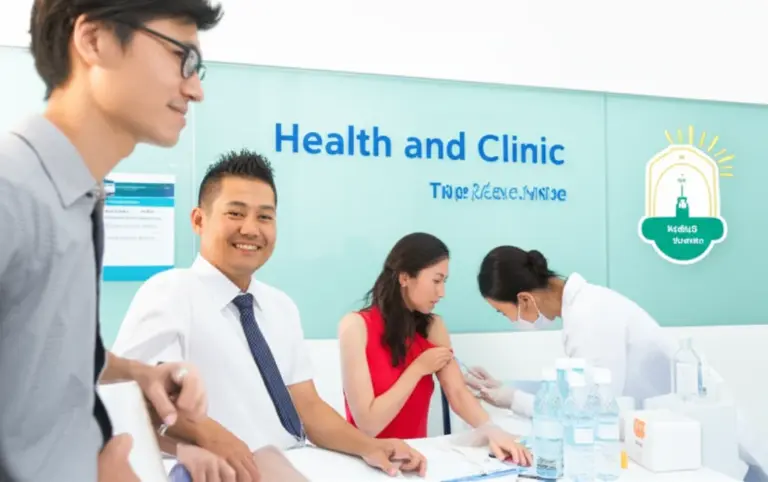
Is Thailand Safe? A Guide to Health for Travelers and Expats
Thailand, the “Land of Smiles,” attracts millions of visitors each year with its stunning beaches, rich culture, and vibrant cities. It is a dream destination, but for any traveler or prospective expat, the question remains: **Is Thailand Safe?** This comprehensive **Thailand Safety and Health Guide** is designed to provide you with the expert, trustworthy information you need to ensure a secure and healthy trip. While Thailand is generally safe for tourists, common sense and preparation are key to avoiding the minor pitfalls and navigating the cultural landscape successfully. Let’s delve into the specifics of general safety, health preparedness, and the unique challenges faced by long-term residents.
General Safety: Separating Fact from Fiction
The reality of safety in Thailand is often much less dramatic than sensationalized media reports. Petty crime is the most common issue, but violent crime against tourists is rare. The biggest threats usually involve scams or self-inflicted risks, such as excessive drinking or reckless driving. Tourists are advised to maintain the same level of awareness they would in any major city globally.
Common Scams and How to Avoid Them
Traveler Alert!
Be wary of unsolicited help or advice, especially around major tourist sites like the Grand Palace. The most common scams involve:
- **The “Closed” Scam:** A friendly local or tuk-tuk driver tells you a site is closed and offers to take you on an “alternative” tour, which leads to overpriced shops.
- **The Tuk-Tuk Meter Scam:** Drivers claiming their meter is broken or refusing to use it. Always negotiate the price *before* getting in, or use ride-hailing apps like Grab.
- **Gem/Tailor Scams:** Being pressured into buying low-quality jewelry or suits at inflated prices.
**Tip:** Politely decline unsolicited offers and always confirm information with official sources or your hotel.
Essential Thailand Travel Safety Tips
Watch this video for a quick, visual guide on avoiding common pitfalls and staying safe during your Thailand adventure.
Solo Female Travel Safety
Thailand is considered one of the safest countries in Southeast Asia for solo female travelers. Respectful behavior, dressing modestly when visiting temples, and avoiding walking alone in poorly lit or isolated areas late at night are standard recommendations. Always inform someone of your itinerary and trust your intuition. The Thai people are generally very hospitable and helpful.
Health and Wellness for Your Trip
Health preparedness is paramount for a worry-free trip. The tropical climate and different hygiene standards require a few precautions.
Essential Vaccinations and Medical Preparedness
Consult your doctor at least six weeks before travel. Routine vaccines should be up-to-date. Common recommendations for Thailand include:
| Vaccine | Risk Level | Notes |
|---|---|---|
| Hepatitis A | High | Recommended for all travelers. |
| Typhoid | Medium | Especially for those eating street food. |
| Japanese Encephalitis | Low (Seasonal/Rural) | Considered for long stays in rural areas. |
| Rabies | Medium (Animal Contact) | Recommended for adventurers or animal workers. Avoid stray dogs and monkeys. |
**Travel Insurance is non-negotiable.** The quality of Thai hospitals is excellent, but the cost can be crippling without comprehensive coverage. Ensure your policy covers emergency evacuation.
Food and Water Safety: The Street Food Experience
Thai street food is world-famous and generally safe, but travelers should adhere to the “cook it, peel it, or forget it” rule. **Never drink tap water**, even in high-end hotels; always use bottled water. Ice is usually safe in tourist establishments as it’s factory-made and purified. When choosing a street vendor, look for stalls that are busy, have a high turnover of food, and appear clean. This indicates freshness and popularity. Diarrhea is the most common ailment; pack over-the-counter medication.
Transportation Safety: The Biggest Risk?
Statistically, the biggest safety risk in Thailand is related to road accidents. The country has one of the highest road fatality rates globally, largely due to motorbike accidents.
Traffic and Road Safety
Tourists should exercise extreme caution when walking and crossing roads, as traffic rules are often loosely observed.
- **Motorbikes:** Unless you are an experienced rider and have the correct international license, avoid renting a scooter. If you do, wear a helmet (it’s legally required) and ensure your travel insurance covers motorbike accidents.
- **Taxis/Grab:** In Bangkok, always insist the taxi driver uses the meter. If they refuse, get out and find another. Grab (the regional equivalent of Uber) is highly recommended as it uses GPS tracking and fixed fares, significantly enhancing safety.
- **Buses/Trains:** Long-distance buses and trains are generally safe and reliable, though not always punctual.
Expats: Long-Term Safety and Healthcare Considerations
For those considering a long-term stay, the safety landscape shifts from short-term scams to long-term bureaucratic and health management. Thailand is a medical tourism hub, boasting world-class private hospitals (e.g., Bangkok Hospital, Bumrungrad International) that rival Western facilities. However, these services are expensive. Expats must secure comprehensive international health insurance. Furthermore, understanding the visa process, respecting the monarchy (Lèse-majesté laws are strict), and navigating the local rental market are key to a stable and safe life.
In conclusion, the answer to “Is Thailand Safe?” is a resounding “Yes,” provided you travel with awareness and respect. By following this **Thailand Safety and Health Guide**, securing appropriate travel insurance, and applying common sense, you can focus less on worry and more on enjoying the incredible experiences the Land of Smiles has to offer. Preparation is the best defense against the few risks you may encounter.
คำถามที่พบบ่อย (FAQ)
Is it safe to drink the tap water in Thailand?
No, it is not safe to drink tap water in Thailand. This applies to both travelers and expats. Always use bottled or filtered water for drinking and brushing your teeth. While the water is treated, the distribution system can lead to contamination.
What is the most common scam travelers should watch out for?
The most common scam involves the “Grand Palace is Closed” lie, where a friendly stranger or tuk-tuk driver tells you a major tourist site is unexpectedly closed and diverts you to a commission-based shop or tour instead. Politely ignore unsolicited advice from strangers near major attractions.
Should I rent a scooter or motorbike in Thailand?
Renting a scooter is highly discouraged unless you are an experienced rider with a valid international driving permit. Road accidents are the leading cause of injury and death for tourists in Thailand. For short distances, use ride-hailing apps like Grab or metered taxis.
Is it safe to eat Thai street food?
Yes, Thai street food is generally safe, delicious, and a must-try. The best way to ensure safety is to choose vendors with high customer turnover, ensuring the food is cooked fresh and not left sitting out for long periods. Look for where the locals are eating.
References
- World Health Organization – Road Safety in Thailand
- CDC Traveler Health Information for Thailand
- UK Foreign Travel Advice for Thailand
- Health risks and vaccination checklist for Thailand: recommended vaccines, where to get them, and pre-travel medicine tips
- Common illnesses and how to prevent them in Thailand: food and water safety, mosquito-borne diseases (dengue, malaria, Zika), and sun-related issues
- Navigating Thailand’s healthcare system: finding hospitals, clinics, medical insurance for tourists/expats, and emergency procedures