Community-based conservation and sustainable tourism: how stays fund reforestation, anti-poaching, and local livelihoods
- Community-based conservation and sustainable tourism: how stays fund reforestation, anti-poaching, and local livelihoods
- The Rise of Ethical Travel in Thailand
- The Core Mechanism: How Your Stay Becomes a Conservation Fund
- Empowering Local Livelihoods: Beyond the Donation Box
- Real-World Impact: Spotlight on Thai Destinations
- See the Impact: Community-Based Tourism in Action
- Conclusion: The Future of Tourism is Responsible
- คำถามที่พบบ่อย (FAQ)
The Rise of Ethical Travel in Thailand
Thailand, the ‘Land of Smiles,’ has long been a global tourism magnet. However, the environmental and cultural costs of mass tourism have become increasingly apparent. In response, a transformative movement has taken root: community-based conservation and sustainable tourism. This model fundamentally shifts the traveler’s role from passive observer to active contributor, ensuring that tourism revenue directly supports the environments and communities visited. Choosing a sustainable stay is the first and most critical step in supporting sustainable tourism conservation Thailand, turning your vacation into a force for good.
The Core Mechanism: How Your Stay Becomes a Conservation Fund
The genius of community-based tourism (CBT) lies in its direct financial pipeline. Unlike traditional tourism, where profits often flow out of the local area, CBT models ensure a significant portion of your booking fee—whether for a homestay, a guided trek, or an ethical wildlife experience—is channeled into specific, measurable conservation projects. This system creates a tangible economic incentive for local people to protect their natural resources rather than exploit them.
Direct Funding for Reforestation and Habitat Restoration
Deforestation, often driven by agricultural expansion or illegal logging, is a major ecological challenge in Thailand. Sustainable tourism enterprises actively combat this by earmarking funds for reforestation programs. In many areas, such as those overseen by the Royal Forest Department, these programs involve local communities in planting native trees, restoring vital habitats, and enhancing carbon sequestration [[1]](https://lost-abroad.com/thailand-forest). For example, in coastal communities like Baan Talae Nok, homestay revenues help protect and restore critical mangrove forests, which serve as natural storm barriers and nurseries for marine life [[2]](https://www.youtube.com/watch?v=NGmTtz3FE8s).
Supporting Anti-Poaching Patrols and Wildlife Protection
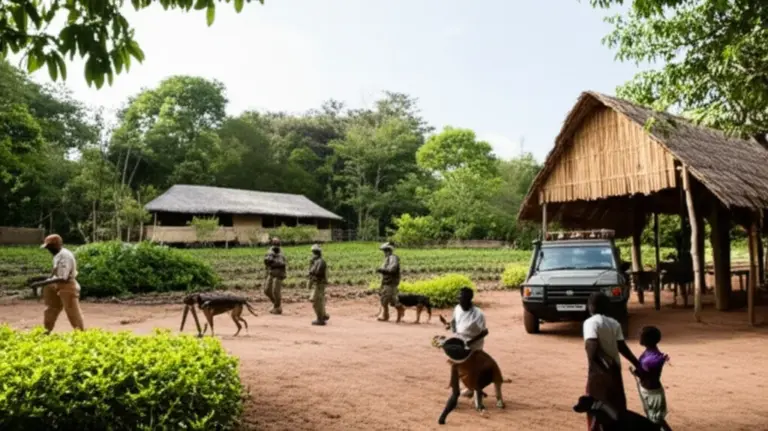
The fight against illegal poaching of Thailand’s iconic wildlife—including elephants, tigers, and gibbons—requires constant vigilance and funding [[1]](https://lost-abroad.com/thailand-forest). Your tourism dollars often provide the necessary resources for anti-poaching patrols. In places like Khao Sok National Park in Surat Thani, the shift has been truly transformative: former poachers, recognizing the greater economic value of conservation through tourism, have transitioned into becoming highly effective park rangers and guides. This not only stops illegal activity but also provides a stable, legitimate income, turning resource destroyers into dedicated protectors [[3]](https://www.channelnewsasia.com/sustainability/thailand-rainforests-poachers-rangers-conservation-surat-thani-3314606).
Empowering Local Livelihoods: Beyond the Donation Box
The impact of sustainable tourism extends beyond environmental protection to the socio-economic fabric of Thailand. It is designed to be a holistic approach that benefits both nature and people [[1]](https://lost-abroad.com/thailand-forest). By staying in community-run accommodations, travelers ensure that wealth is distributed broadly among villagers, not concentrated in a few distant corporate hands.
Fair Wages and Skill Development in Thai Communities
Sustainable tourism provides opportunities for local people to develop new skills—from hospitality management and English language training to expert guiding in local ecology. This results in fair wages and the creation of alternative income streams, reducing reliance on environmentally damaging practices. The income generated from homestays and guided tours directly supports families, allowing them to invest in education, healthcare, and infrastructure within their own villages [[4]](https://www.youtube.com/watch?v=4a73Dd6x2kk).
Preserving Cultural Heritage through Tourism
For Thailand’s diverse ethnic groups, especially in the North, tourism offers a platform to celebrate and preserve their unique cultural heritage. Visitors engaging in activities like traditional cooking classes, local craft workshops, or participating in festivals help maintain these traditions. The economic value attached to cultural preservation provides a powerful motivation for younger generations to stay in their communities and continue the legacy, ensuring that the ‘Amazing Thailand’ experience remains authentic and rich.
Real-World Impact: Spotlight on Thai Destinations
Khao Sok National Park, Surat Thani
A prime example where eco-tourism funds anti-poaching patrols and habitat restoration. Choosing an ethical floating bungalow or guided trek here directly supports the protection of one of the world’s oldest evergreen rainforests [[3]](https://www.channelnewsasia.com/sustainability/thailand-rainforests-poachers-rangers-conservation-surat-thani-3314606)[[5]](https://www.khaosok.com/rewilding-adventures/).
Baan Talae Nok, Southern Thailand
This village demonstrates how homestay revenue helps protect critical mangrove ecosystems. Travelers get a genuine cultural exchange while supporting the ‘supermarket’ of the local community [[2]](https://www.youtube.com/watch?v=NGmTtz3FE8s).
See the Impact: Community-Based Tourism in Action
Watch this video to understand the powerful connection between a traveler’s choice and the preservation of Thailand’s natural and cultural wealth. It showcases how authentic homestay experiences directly contribute to community development and conservation efforts in Southern Thailand [[2]](https://www.youtube.com/watch?v=NGmTtz3FE8s).
Conclusion: The Future of Tourism is Responsible
The choice to engage with sustainable tourism conservation Thailand is more than just a trend; it is a moral imperative for the modern traveler. By selecting community-based accommodations and ethical tour operators, you are ensuring that the beauty you travel to see—the ancient rainforests, the vibrant marine life, and the rich cultural tapestry—is preserved for generations to come. Your next trip to Thailand can be your most meaningful one yet.
คำถามที่พบบ่อย (FAQ)
References
- Sustainable Thailand: Community-Based Tourism and Conservation – GLP Films
- Exploring Thailand’s Forests: Conservation, Community, and Ecotourism – Lost Abroad
- From poachers to protectors: In the ‘Guilin of Thailand’, locals lead efforts to conserve ancient rainforest – CNA
- Rewilding Adventures: How Khao Sok is Leading the Way in Eco-Tourism
- The Gibbon Experience and Canopy Walkways: Immersive Treetop Conservation Stays That Support Wildlife and Local Communities
- What is the Gibbon Experience? Origins, conservation goals, and what to expect from treetop immersion stays
- How canopy walkways work: design, safety, wildlife viewing, and best seasons for gibbon encounters