What to Expect on a Seagrass Meadow Walk at Laem Ngop — timing, meeting points, gear, accessibility, and safety guidelines for visitors
- What to Expect on a Seagrass Meadow Walk at Laem Ngop — timing, meeting points, gear, accessibility, and safety guidelines for visitors
Embarking on a Seagrass Meadow Walk at Laem Ngop is one of the most immersive eco-tourism experiences available in Trat province, Thailand. Unlike traditional beach visits, this activity allows visitors to step directly into a vibrant marine ecosystem that serves as the ‘lungs of the sea.’ This guide provides everything you need to know to prepare for this unique adventure, ensuring you respect the environment while enjoying the natural beauty of the Gulf of Thailand.
Understanding the Timing: The Rhythm of the Tides
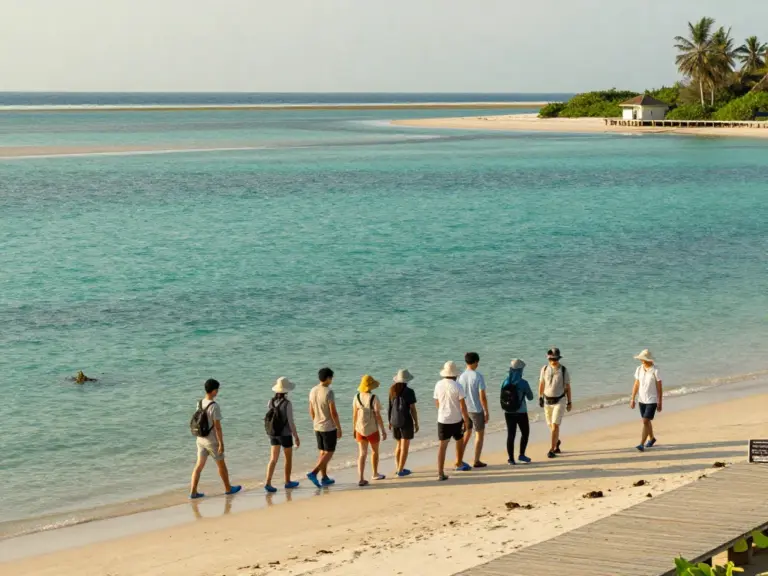
The most critical factor for a successful Seagrass Meadow Walk at Laem Ngop is the tide. These walks are only possible during low tide when the coastal waters recede to expose the vast underwater fields of seagrass. Usually, the best windows occur during the waxing or waning moon phases. It is highly recommended to check local tide tables or coordinate with a local community guide at least 48 hours in advance. Most walks take place in the early morning or late afternoon to avoid the midday tropical heat.
Meeting Points and Getting There
Laem Ngop is located in the southwestern part of Trat. The primary meeting point for guided tours is typically the Laem Ngop Pier or the local community center designated for marine conservation. From the pier, you can easily spot the iconic red-and-white lighthouse, a landmark of the area. Most organized walks begin with a brief orientation at the community hub before heading to the shoreline.
Essential Gear: What to Wear and Bring
Walking on a seagrass bed requires specific preparation to protect both yourself and the delicate flora.
- Footwear: Closed-toe water shoes or old sneakers are mandatory. Do not wear flip-flops, as they can get stuck in the mud or offer no protection against sharp shells.
- Clothing: Lightweight, long-sleeved shirts and quick-dry trousers are ideal to protect against sun exposure and potential jellyfish stings.
- Sun Protection: Use reef-safe sunscreen only. Traditional sunscreens contain chemicals that can bleach coral and harm seagrass health.
- Equipment: A waterproof bag for your phone or camera is essential, as the ground can be slippery and wet.
Accessibility and Physical Requirements
The Seagrass Meadow Walk at Laem Ngop is generally considered an easy to moderate activity. However, visitors should be aware that the terrain is uneven, muddy, and sometimes slippery. It requires a basic level of mobility to navigate the tidal flats. While children can enjoy the walk under supervision, it may be challenging for individuals with significant mobility issues or those who require walking aids. Always inform your guide of any physical limitations beforehand.
Safety Guidelines and Environmental Ethics
To ensure a safe and sustainable visit, please adhere to the following safety guidelines:
| Guideline | Description |
|---|---|
| Watch Your Step | Walk carefully to avoid stepping on sea cucumbers, crabs, or fragile seagrass roots. |
| No Collecting | It is strictly forbidden to remove shells, plants, or animals from the meadow. |
| Hydration | The humidity in Trat can be high; bring a reusable water bottle. |
| Guide Instructions | Always stay within sight of your guide to avoid deep mud pockets or rising tides. |
คำถามที่พบบ่อย (FAQ)
What is the best time of year to visit Laem Ngop for a seagrass walk?
The best time is during the dry season, from November to April, when weather conditions are stable and water clarity is at its peak.
Do I need to book a guide for the Seagrass Meadow Walk at Laem Ngop?
Yes, booking a local community guide is highly recommended. Not only do they understand the tide patterns and safety risks, but they also provide invaluable educational insights into the marine life you will encounter.
Are there any dangerous animals in the seagrass?
While most inhabitants are harmless, you should be cautious of stingrays (which bury themselves in the sand) and small jellyfish. Wearing protective footwear and following your guide minimizes these risks.
Is the activity suitable for young children?
Yes, it is a fantastic educational experience for children aged 5 and up, provided they are comfortable walking on uneven, muddy ground.
References
Tourism Authority of Thailand (TAT)
Department of Marine and Coastal Resources (DMCR) Thailand
- Seagrass Meadow Walk at Laem Ngop: A Guided Marine-Biology Experience for Eco-Tourists and Families
- Why Seagrass Meadows Matter — ecosystem services, species to spot (sea grasses, fish, invertebrates), and conservation importance in Trat Province
- Guided Tour Structure and Learning Opportunities — how marine biologists lead walks, typical teaching points, interactive activities, and citizen-science options