Lightweight Rain Gear and Packing Strategies — how to stay dry without overpacking for domestic flights and buses
- Lightweight Rain Gear and Packing Strategies — how to stay dry without overpacking for domestic flights and buses
- The Thailand Travel Dilemma: Humidity, Downpours, and Weight Limits
- Defining “Lightweight”: Materials Science for the Modern Traveler
- Essential Gear for Electronics and Valuables
- Advanced Lightweight Rain Gear Packing Strategies for Flights and Buses
- Case Study: Staying Dry in Chiang Mai vs. Coastal Krabi
- Top 3 Lightweight Gear Recommendations for Southeast Asia
- คำถามที่พบบ่อย (FAQ)
- Is a full waterproof jacket necessary for Thailand, or will a poncho suffice?
- What is the best way to protect my phone and camera gear from humidity and rain?
- How much weight can I realistically save by choosing ultralight rain gear?
- Should I pack rain gear separately or wear it onto the domestic flight?
- References
Traveling through Thailand, whether hopping between the islands via domestic flight or navigating the humid, sudden downpours common on long-haul buses, presents a unique packing challenge. You need robust protection from the tropical climate, but budget airlines and cramped bus compartments demand ruthless efficiency. This guide focuses entirely on mastering Lightweight Rain Gear Packing Strategies, ensuring you remain perfectly dry without adding unnecessary bulk to your carry-on or backpack. We aim for maximum performance with minimal mass, a necessity for the savvy Southeast Asian traveler.
The Thailand Travel Dilemma: Humidity, Downpours, and Weight Limits
Thailand’s weather is characterized by high humidity year-round, with distinct wet seasons (Monsoon). A lightweight solution isn’t just about convenience; it’s about comfort. Heavy, traditional raincoats trap heat and moisture, making you sweat even when it’s not raining—a miserable experience in 30°C heat. When traveling domestically, especially on budget carriers or older buses, baggage weight restrictions are often strict. Every gram counts. Therefore, our strategy prioritizes fabrics that offer high waterproof ratings (hydrostatic head) while boasting extremely low pack volumes and weights.
Defining “Lightweight”: Materials Science for the Modern Traveler
Forget the heavy, stiff PVC gear of yesteryear. Modern textile technology, driven by mountaineering and trail running, offers incredible alternatives. We are looking for materials often under 150 grams that pack down to the size of a tennis ball.
The Gold Standard: Ultralight Rain Jackets (Pertex/Gore-Tex Paclite alternatives)
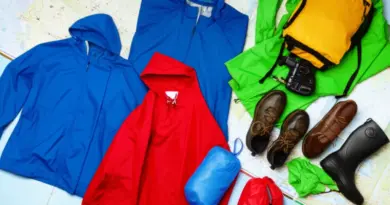
For reliable, breathable protection, a true ultralight shell is paramount. Look for jackets utilizing fabrics like Pertex Shield, proprietary lightweight nylon blends, or older generations of Gore-Tex Paclite. These offer superior breathability compared to simple plastic shells, which is crucial when hiking between temples or waiting for a bus in Bangkok traffic. A good shell should have fully taped seams and a Durable Water Repellent (DWR) finish.
Packable Ponchos and Capes: The Space Savers
If space is your absolute primary concern, consider a high-quality, reusable rain poncho. While less breathable than a technical jacket, modern synthetic ponchos are incredibly light and can often cover a small backpack underneath. They are fantastic for sudden, short-lived downpours common when moving between transportation hubs. They often weigh less than 100g. Ensure the material is rip-stop nylon, not cheap plastic, for longevity.
Essential Gear for Electronics and Valuables
Staying dry isn’t just about your body; it’s about protecting your expensive electronics—phones, cameras, and passports—especially during bumpy bus rides or when your bag gets stacked precariously near a leaky roof.
Dry Bags vs. Waterproof Liners: Which to Choose?
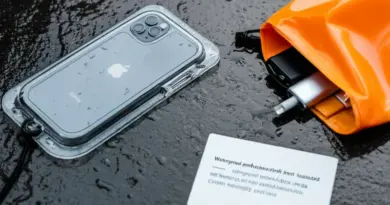
For a carry-on strategy, a set of lightweight, roll-top dry sacks (1L for phone/wallet, 5L for camera gear) is superior to bulky waterproof backpack liners. They allow you to compartmentalize small, critical items and transfer them easily between bags or into a daypack.
The Mighty Backpack Cover
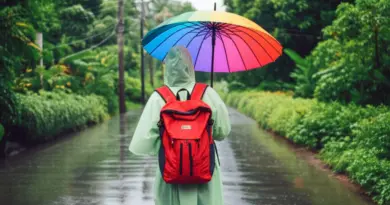
While a shell jacket protects you, a backpack cover protects your luggage. This is non-negotiable for bus travel where bags are often stored beneath the chassis or exposed on open racks. Ensure your cover is brightly colored (for visibility) and sized correctly for your pack. It weighs almost nothing but provides a complete barrier against saturation.
Advanced Lightweight Rain Gear Packing Strategies for Flights and Buses
The key to successful Lightweight Rain Gear Packing Strategies involves strategic placement and utilizing your body as an extra piece of luggage.
The ‘Wear it on the Plane’ Strategy
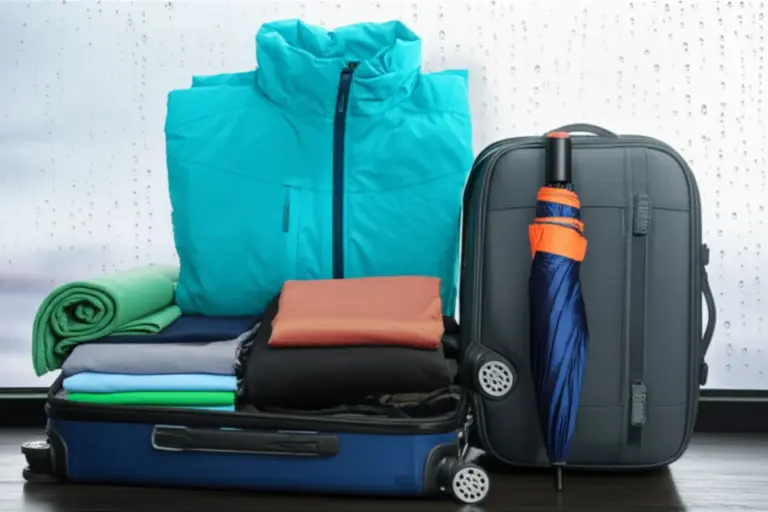
If you are bringing a true technical shell (which is highly recommended for trekking in Northern Thailand), wear it onto the domestic flight or bus. Even if the cabin is warm, this shell is often thin enough to act as a light jacket layer over a t-shirt. This immediately saves 200-350 grams of space and weight from your packed bag.
Compression Sacks vs. Simple Folding
For items like lightweight rain pants or the shell itself, compression sacks are excellent. They physically squeeze the air out, minimizing volume significantly more than simple folding. However, remember that compression can stress waterproof membranes over long periods, so this is best for the jacket itself, not necessarily for items stored long-term.
To visualize how minimizing bulk works in practice, watch this guide on maximizing limited space for tropical adventures:
Case Study: Staying Dry in Chiang Mai vs. Coastal Krabi
The required gear shifts slightly based on your destination within Thailand. Chiang Mai and Northern regions often involve trekking or being caught in afternoon thunderstorms inland. Here, breathability (the technical jacket) is key. Conversely, coastal travel (Krabi, Phuket) often involves short, intense downpours while moving between piers or sitting on open-sided ferries. Here, a high-quality, large poncho that covers both you and a daypack might offer better utility for quick deployment.
| Scenario | Primary Gear Focus | Weight Priority |
|---|---|---|
| Inland Trekking (Chiang Mai) | Breathable, Taped Shell Jacket | Breathability over absolute minimum weight |
| City Hopping (Bangkok/Buses) | Packable Poncho + Backpack Cover | Minimum volume and quick deployment |
Top 3 Lightweight Gear Recommendations for Southeast Asia
- The 100g Windbreaker Upgrade: Invest in a jacket specifically labeled as ‘windbreaker weight’ but with a waterproof membrane. It should weigh less than 150g.
- Microfiber Towel: While not rain gear, a quick-dry microfiber towel is essential for wiping down sweat or drying off gear after the rain stops, saving space over bulky cotton.
- Waterproof Phone Pouch (Lanyard Style): Ditch the bulky hard cases. A soft, fully submersible lanyard pouch is lighter and allows you to use your phone camera even in light rain.
By focusing on these targeted materials and implementing smart packing techniques, you can successfully manage tropical downpours without compromising your ability to travel light across Thailand’s domestic network. Enjoy the journey, stay dry, and keep that luggage under the limit!
คำถามที่พบบ่อย (FAQ)
References
- Outdoor Gear Lab: Comprehensive Rain Jacket Testing
- Backpacking Light Community Forums on Tropical Gear
- Traveling Thailand in the Rainy Season: Essential Gear and Smart Tips for a Smooth, Comfortable Trip
- Best Waterproof Clothing and Footwear for Thailand’s Monsoon — what to pack for different regions and activities
- Protecting Tech and Valuables from Humidity and Downpours — waterproof cases, dry bags, and battery care tips