Protecting Tech and Valuables from Humidity and Downpours — waterproof cases, dry bags, and battery care tips
- Protecting Tech and Valuables from Humidity and Downpours — waterproof cases, dry bags, and battery care tips
Welcome to Thailand, the Land of Smiles! While the turquoise waters, vibrant temples, and bustling markets are unforgettable, the tropical climate presents a unique threat to your most essential travel companions: your electronics. From sudden, torrential downpours in Bangkok to the relentless, sticky humidity of the islands, **Protecting Tech and Valuables from Humidity and Downpours** is not just a suggestion—it’s mandatory for a stress-free trip. This comprehensive guide will equip you with the expert knowledge on choosing the right gear, mastering battery longevity, and safeguarding your investment against moisture damage.
Understanding the Tropical Threat: Humidity vs. Direct Water
Many travelers mistakenly believe that if their phone survives a splash, it’s safe. In the context of Southeast Asia, humidity poses a far more insidious, long-term threat than a quick dunk in the pool. True waterproofing protects against direct ingress, but high humidity attacks from the inside out.
The Silent Killer: High Humidity Damage
Humidity, especially common during the Thai monsoon season (roughly May to October), means high concentrations of water vapor in the air. This vapor seeps into tiny gaps in your devices—around ports, speaker grills, and seams. Once inside, especially when the device heats up from use or charging, this vapor condenses into liquid water on the cooler internal components. This leads to oxidation and corrosion on sensitive circuit boards and contacts, often resulting in intermittent failures or complete device death weeks after the trip is over.
Surviving the Sudden Downpour
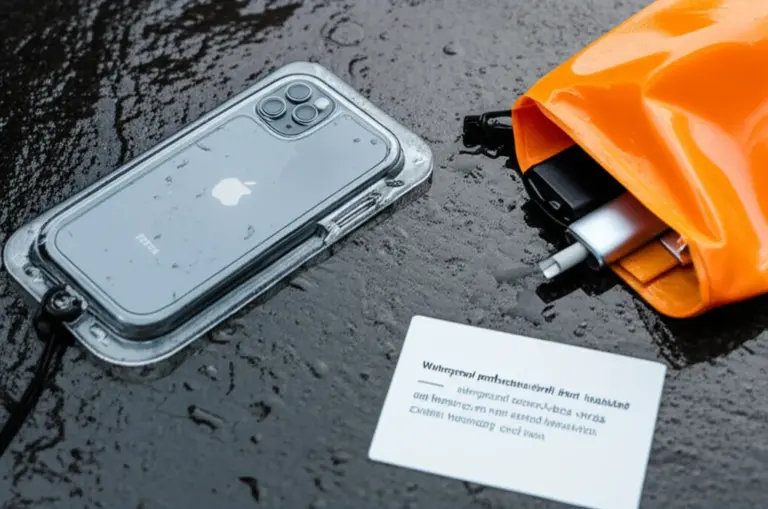
Direct water exposure, such as being caught in a tropical storm while riding a scooter or dropping your camera near the ocean, requires robust physical barriers. This is where high-quality waterproof cases and dry bags become indispensable. For travelers exploring coastal areas or engaging in water sports, this level of defense is non-negotiable.
Essential Gear for Water and Moisture Defense
Investing in the right protective gear before you leave offers peace of mind. Don’t rely solely on the ‘water-resistant’ claims of modern smartphones; tropical conditions demand more.
Choosing the Right Waterproof Case (IP Ratings Explained)
The key metric for physical protection is the Ingress Protection (IP) rating. For serious protection against downpours and accidental submersion near Thai beaches, aim for devices or cases rated at least **IP67** (dust-tight and protected against immersion between 15cm and 1 meter for 30 minutes). For diving or heavy water exposure, **IP68** is the benchmark. Always confirm the rating applies to the device *inside* the case, and check if the case is rated for saltwater, which is highly corrosive. Review official IP testing standards for deeper technical insight.
Dry Bags: Your Essential Companion for Boat Trips and Beaches
Dry bags utilize a roll-top closure system that creates an airtight, watertight seal. They are excellent for bulkier items or items that need to stay dry for extended periods, such as backpacks carried on longtail boats. Look for bags made from durable PVC or TPU material for longevity against UV exposure and abrasion.
Simple DIY and Low-Cost Protection Methods
While dedicated gear is best, supplementary protection is cheap and effective:
- Silica Gel Packets: Always keep several small silica gel desiccant packs inside your camera bags, lens pouches, and even your phone case when not in use. These absorb ambient moisture.
- Quality Ziploc Bags: For immediate, short-term protection, heavy-duty freezer bags work surprisingly well, provided you expel as much air as possible before sealing.
- The Vacuum Seal Hack: For storing sensitive items long-term in your hotel room, use a manual vacuum pump bag to remove air, significantly reducing the moisture available to condense.
Critical Battery Care in Humid Climates
Lithium-ion batteries, standard in modern phones, cameras, and laptops, are highly susceptible to environmental stress. Heat and moisture together are their worst enemies, accelerating chemical degradation. Proper battery management is crucial for **Protecting Tech and Valuables from Humidity and Downpours** long after the rain stops.
Preventing Swelling and Degradation
Never leave devices charging in direct sunlight or inside a hot car while parked in the Thai heat. Overheating increases internal pressure, which can cause batteries to swell—a dangerous precursor to failure. If you notice any bulging on your device casing, stop using it immediately and seek professional replacement.
Best Practices for Charging and Storage
When storing spare batteries or devices not in use, keep them in a cool, dry place—ideally in an airtight container with fresh silica gel. For optimal long-term health, aim to keep the charge level between 40% and 80%. Constantly charging to 100% or letting them drain to 0% reduces overall lifespan, especially under high thermal load.
Post-Exposure Protocol: What to Do If Gear Gets Wet
Accidents happen. If your device suffers a direct water exposure (beyond its IP rating tolerance) or significant condensation exposure, follow these steps immediately.
| Action | Why? |
|---|---|
| Power Down Immediately | Prevents short-circuiting the internal components. |
| Wipe Exterior Dry | Remove surface water. Do NOT shake the device. |
| Use Desiccant | Place the device in a sealed container with silica gel or uncooked rice (though silica is preferred) for 48 hours. |
| Avoid Heat | Do not use a hairdryer or place it in direct sun; this accelerates corrosion. |
Video Guide: Top 5 Waterproof Gear Hacks for Southeast Asia
To visualize these protection strategies in action, watch this expert walkthrough on essential gear choices for tropical travel environments like those found across Thailand.
คำถามที่พบบ่อย (FAQ)
Here are answers to the most common questions regarding electronic care during your Thai vacation.
How do I check if a waterproof case is truly suitable for snorkeling in Thailand?
Look for an IP rating of IP68 or higher, and verify if it explicitly states suitability for submersion depth and duration, often tested by third-party reviewers.
What is the main risk humidity poses to electronics?
Humidity causes condensation inside the device, leading to corrosion on internal circuitry, especially near charging ports and battery contacts.
How often should I replace silica gel packs stored with my gear?
Silica gel packs should be replaced or reactivated (baked) when they change color (if they are indicating type) or every 3-6 months when stored in high-humidity environments like tropical regions.
References
IEC Standard for Ingress Protection Ratings
- Traveling Thailand in the Rainy Season: Essential Gear and Smart Tips for a Smooth, Comfortable Trip
- Best Waterproof Clothing and Footwear for Thailand’s Monsoon — what to pack for different regions and activities
- Lightweight Rain Gear and Packing Strategies — how to stay dry without overpacking for domestic flights and buses