Traveling Thailand in the Rainy Season: Essential Gear and Smart Tips for a Smooth, Comfortable Trip
- Traveling Thailand in the Rainy Season: Essential Gear and Smart Tips for a Smooth, Comfortable Trip
- Debunking the Monsoon Myths: Why the Green Season Rocks
- Essential Gear Checklist for Traveling Thailand in the Rainy Season
- Smart Travel Tips for Navigating the Rain
- Destination Deep Dive: Where to Go (and Where to Reconsider)
- Staying Comfortable: Health and Wellness During Monsoon Travel
- Video Guide: Packing Hacks for Tropical Rain
- คำถามที่พบบ่อย (FAQ)
The mention of the monsoon season often deters travelers, yet planning on Traveling Thailand in the Rainy Season (roughly May through October) can unlock some of the most rewarding, affordable, and lush experiences the Kingdom has to offer. Far from being a continuous downpour, the Thai monsoon often delivers dramatic, refreshing afternoon showers that quickly give way to sunshine. This guide, written from an expert perspective, provides the ultimate checklist of essential gear and proven strategies to ensure your trip is smooth, comfortable, and unforgettable.
Debunking the Monsoon Myths: Why the Green Season Rocks
Many associate the rainy season with canceled beach plans and endless grey skies. However, experienced travelers know this period—often called the ‘Green Season’—offers substantial benefits. The landscape explodes into vibrant, emerald hues, waterfalls roar back to life, and the crowds thin out significantly.
The Perks of Off-Peak Travel
The primary advantage is financial. Accommodation prices can drop by 30% to 50%, making luxury stays more accessible. Furthermore, major attractions feel less congested, allowing for a more intimate cultural experience. You trade endless scorching sun for dramatic skies and better deals.
Essential Gear Checklist for Traveling Thailand in the Rainy Season
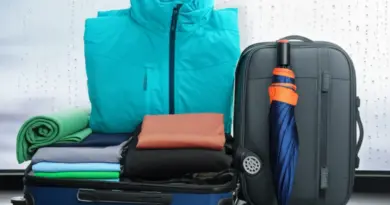
Packing correctly is the difference between misery and mastering the monsoon. Forget heavy cottons and bulky raincoats. Lightweight, technical gear is your best friend when Traveling Thailand in the Rainy Season.
Waterproof Outerwear & Footwear
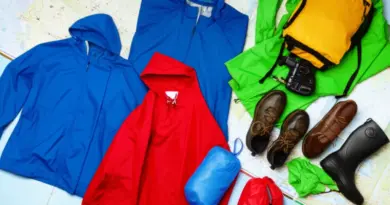
You need protection that packs small. A high-quality, breathable, packable rain shell jacket is non-negotiable. Avoid cheap ponchos that trap heat. For footwear, prioritize sandals or water-resistant hiking shoes that dry quickly. Soggy feet lead to blisters and misery.
- Rain Jacket: Lightweight, fully waterproof (not just water-resistant).
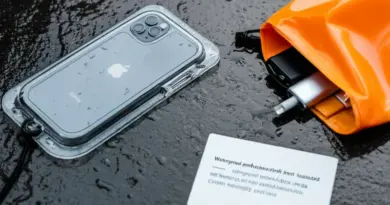
- Dry Bags/Sacs: Essential for protecting electronics (phone, camera, passport). Get various sizes.
- Quick-Dry Towel: Microfiber towels dry in minutes, crucial when humidity is high.
- Waterproof Backpack Cover: Ensure your main luggage stays dry during transit.
Quick-Dry Clothing & Tech Protection
Humidity in Thailand is intense, even when it’s not raining. Pack synthetic fabrics or merino wool, which wick moisture away and dry rapidly. Cotton absorbs water and stays damp, inviting mildew.
| Item | Why It Matters in Monsoon |
|---|---|
| Lightweight Trousers/Shorts | Avoids clinging fabric when damp. |
| Waterproof Phone Pouch | For constant protection against sudden downpours. |
| Good Sunscreen (Yes, really!) | UV rays penetrate clouds easily. |
| Small Umbrella | Better for city navigation than a bulky jacket hood. |
Expertise in monsoon travel comes from flexibility. Don’t plan every hour; plan broad phases. This allows you to pivot when the weather dictates a change of pace.
Flexible Itineraries and Transportation Hacks
If you are island-hopping, always check ferry schedules the day before, as rough seas can cause cancellations. In cities like Bangkok, embrace the BTS Skytrain and MRT Subway—they are climate-controlled havens. When taking taxis or Grab, be patient; traffic slows down significantly during heavy rain.
Embracing the Humidity and Heat
Humidity peaks during the rainy season. Stay hydrated constantly, even if you aren’t sweating profusely. Seek refuge during the hottest, rainiest parts of the day (usually 1 PM to 4 PM) in air-conditioned cafes or museums. This is the perfect time to explore Thailand’s incredible indoor markets or enjoy a traditional Thai massage.
Destination Deep Dive: Where to Go (and Where to Reconsider)
Location selection is paramount for a successful rainy season trip. Some regions thrive, while others are genuinely challenging.
Best Bets (e.g., Bangkok, Chiang Mai, East Coast Islands)
Chiang Mai and the North: This is arguably the best time to visit the North. The rice paddies are brilliant green, and jungle trekking is lush (though muddy). Waterfalls are spectacular.
Bangkok: The city handles rain exceptionally well due to its infrastructure. Rain often clears quickly, leaving the air refreshed.
The Gulf Coast (Koh Samui, Koh Phangan, Koh Tao): Since their rainy season peaks later, May through September often offers decent weather, making these islands a safer bet than the West Coast during early summer months.
Areas to Approach with Caution (e.g., Andaman Coast during peak monsoon)
If your primary goal is sunbathing on Phuket or island-hopping in Krabi between June and September, temper your expectations. Rough seas can lead to canceled boat tours, and frequent heavy rain can make the landscape feel deserted. For these areas, aim for the shoulder months (May or late October/November).
Staying Comfortable: Health and Wellness During Monsoon Travel
Mosquitoes thrive in damp environments. While Thailand is generally safe, prevention is key. Pack high-quality insect repellent containing DEET or Picaridin. Always use mosquito nets if staying in rustic accommodation outside major city centers. Also, be mindful of slippery surfaces—sturdy, grippy sandals are better than smooth-soled fashion shoes.
Video Guide: Packing Hacks for Tropical Rain
For a visual guide on how to pack light and waterproof for your adventure, check out this expert recommendation. This video provides excellent practical demonstrations for securing your gear against the elements while Traveling Thailand in the Rainy Season.
คำถามที่พบบ่อย (FAQ)
References
Official Tourism Authority of Thailand Resources
BBC Travel Analysis on Green Season Benefits
- Best Waterproof Clothing and Footwear for Thailand’s Monsoon — what to pack for different regions and activities
- Lightweight Rain Gear and Packing Strategies — how to stay dry without overpacking for domestic flights and buses
- Protecting Tech and Valuables from Humidity and Downpours — waterproof cases, dry bags, and battery care tips