Best Waterproof Clothing and Footwear for Thailand’s Monsoon — what to pack for different regions and activities
- Best Waterproof Clothing and Footwear for Thailand’s Monsoon — what to pack for different regions and activities
Welcome to the Wet Season Wisdom!
Planning a trip to the Land of Smiles during the monsoon months (typically May to October) requires smart packing. While the rain can be intense, it often means fewer crowds, lush green landscapes, and better deals. However, navigating Thailand’s humidity and sudden downpours demands specific gear. This comprehensive guide will detail the Best Waterproof Clothing and Footwear for Thailand’s Monsoon, ensuring you stay comfortable whether you are trekking through the misty mountains of the North or exploring markets in Bangkok. Forget heavy, suffocating gear; tropical rain requires breathable, fast-drying solutions.
Understanding the Thai Monsoon: More Than Just Rain
The term ‘monsoon’ often conjures images of constant, dreary drizzle, but the reality in Thailand is usually different. The rain tends to arrive in powerful, concentrated bursts, often lasting an hour or two, usually in the late afternoon or overnight. Humidity skyrockets, making breathability your number one priority over pure waterproofing. You are fighting heat and sweat as much as you are fighting the rain.
Regional Differences: North vs. South vs. Gulf Coast
Your packing list must adapt to where you are going. The weather patterns vary significantly across the country:
- The North (Chiang Mai, Pai): Expect cooler temperatures, especially at night or in the mountains. Rain can last longer, and trekking trails become muddy and slippery. You need reliable, sturdy footwear here.
- The Andaman Coast (Phuket, Krabi): This region receives the heaviest rainfall, often leading to rough seas and ferry cancellations. Quick-drying materials are crucial as clothes may not dry fully due to high humidity.
- The Gulf Coast (Koh Samui, Koh Phangan): This area often has a delayed monsoon season (Oct-Dec). While still wet, the intensity can sometimes be less severe than the Andaman side.
Essential Waterproof Clothing for Tropical Downpours
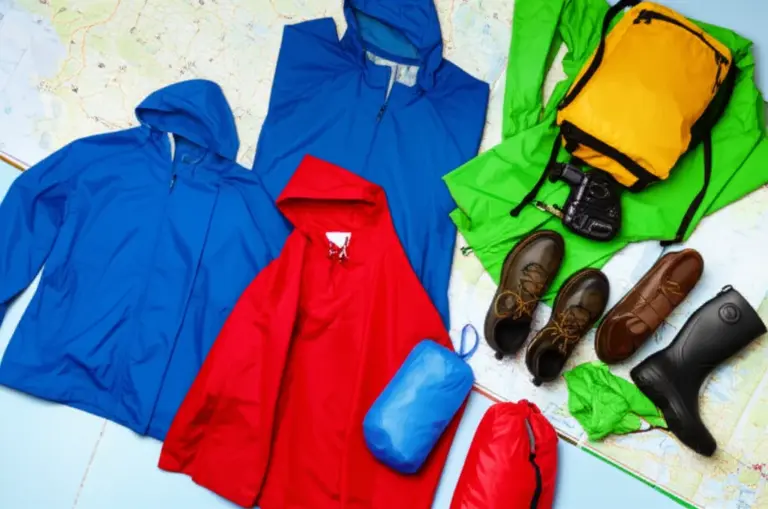
When selecting your rain gear, remember this mantra: Breathability trumps absolute waterproofing. A fully waterproof jacket that traps heat will leave you soaked in sweat within minutes. For the Best Waterproof Clothing and Footwear for Thailand’s Monsoon, focus on technical fabrics designed for warm, wet climates.
The Imperative of Breathability: Why Gore-Tex isn’t always the answer
While Gore-Tex is the gold standard for serious mountaineering, it can be overkill and too hot for Southeast Asia. Look for fabrics with high Moisture Vapor Transmission Rate (MVTR) ratings, such as Pertex Shield or proprietary lightweight coatings. A high-quality, lightweight rain shell that packs down small is your best friend. Aim for something around 10,000mm waterproof rating but prioritize breathability.
Layering Strategy: Lightweight Shells and Quick-Dry Fabrics
Choosing the Best Waterproof Footwear for Thailand’s Monsoon
Footwear is perhaps the most critical decision for monsoon travel. Wet feet lead to blisters, discomfort, and potential fungal issues in the high heat. The wrong shoes can ruin a day of exploring.
City Exploration: Water-Resistant Sneakers and Sandals
For navigating flooded pavements in Bangkok or Chiang Mai markets, you need shoes that can handle getting soaked and dry fast. Look for water-resistant mesh sneakers with excellent drainage ports, or high-quality, supportive walking sandals (like Tevas or Chacos). Flip-flops are fine for short trips but offer no protection or support for long walking days.
Jungle Trekking: Waterproof Hiking Boots vs. Water Shoes
This depends heavily on your itinerary. If you are tackling multi-day, muddy treks in the North, a lightweight, waterproof (or highly water-resistant) hiking boot with good ankle support is essential to prevent slips and keep mud out. However, for light jungle walks or waterfall visits, fast-draining trail shoes or sturdy water sandals are often better, as they dry out much faster than heavy leather boots.
See Our Gear in Action!
Activity-Specific Packing Guides
Tailoring your gear to your destination ensures you aren’t overpacking or underprepared. Use the table below to quickly assess your needs:
| Region/Activity | Clothing Focus | Footwear Priority |
|---|---|---|
| Northern Trekking (Chiang Mai) | Lightweight shell, long quick-dry trousers. | Waterproof/resistant mid-cut boot. |
| Island Hopping (Andaman Sea) | Swimwear, quick-dry activewear, light poncho. | Durable sandals, water shoes for boat transfers. |
| City Touring (Bangkok/Hatyai) | Umbrella, light waterproof windbreaker. | Water-resistant sneakers, easy slip-on shoes. |
Packing for Northern Thailand (Chiang Mai/Pai Trekking)
The North demands preparedness for mud and cooler air at elevation. Pack a lightweight fleece or merino wool base layer if you plan to visit higher altitudes like Doi Inthanon. A solid pair of waterproof socks can save your trek if your primary boots get saturated. Remember that laundry services are affordable, so don’t overpack clothing—just the essential waterproof shell.
Packing for Southern Islands (Krabi/Phuket Beach Trips)
In the South, the issue is less about temperature and more about water exposure during boat transfers. Ensure your casual clothing is synthetic. If you plan on snorkeling or kayaking, quick-drying swimwear and rash guards are more important than rain gear. For shore excursions, durable walking sandals are often perfect, as they dry in the sun quickly.
Crucial Accessories: Keeping Valuables Dry
Your clothing handles your body, but what about your electronics and passport? This is where dry bags shine. You need more than just a waterproof backpack cover; you need true internal protection.
- Dry Bags: Invest in a set of varying sizes (5L, 10L, 20L). Use these inside your main backpack to compartmentalize electronics, wallets, and spare clothes.
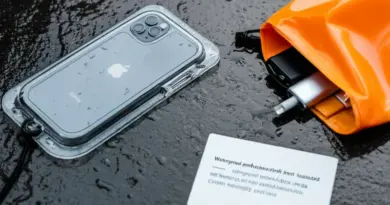
- Waterproof Phone Pouch: Essential for taking photos during a sudden shower or near waterfalls. Ensure it has a secure lanyard.
- Dehumidifying Packs: Throw silica gel packs into your dry bags and camera bag to combat the persistent humidity that causes condensation inside sealed items.
Buyer’s Guide: Key Features to Look For
As an expert traveler preparing for Thailand, evaluate gear based on these criteria:
| Feature | Why It Matters in Thailand |
|---|---|
| Packability | Space is limited; gear must compress small. |
| DWR Coating | Maintains water repellency between heavy rains. |
| Ventilation Zippers | Pit zips allow immediate heat dumping when hiking. |
| Quick-Dry Lining | Interior fabric dries rapidly if moisture gets past the shell. |
By prioritizing lightweight, breathable materials and ensuring your footwear offers necessary grip without overheating your feet, you can transform the Thai monsoon from a travel obstacle into a beautiful, lush backdrop for your adventures. Smart preparation guarantees maximum enjoyment, regardless of the forecast.
คำถามที่พบบ่อย (FAQ)
Is the rainy season really that bad in Thailand?
While often exaggerated, the Thai monsoon brings heavy, short bursts of rain, higher humidity, and potential travel disruptions, especially to remote islands. Proper gear makes the experience much more enjoyable, allowing you to explore between showers.
Should I bring heavy rain gear like a thick winter coat?
Absolutely not. Thailand is hot even when it rains. Focus on lightweight, highly breathable waterproof shells. Heavy gear will lead to overheating and discomfort very quickly in the tropical heat.
Are rubber boots necessary for city walking in Bangkok?
For Bangkok, water-resistant, quick-drying sneakers or sturdy sandals are usually sufficient. True rubber boots are bulky and too hot unless you plan extended wading through deep, standing water.
References
Official Tourism Authority of Thailand Information
Technical Guide to Breathable Rainwear
- Traveling Thailand in the Rainy Season: Essential Gear and Smart Tips for a Smooth, Comfortable Trip
- Lightweight Rain Gear and Packing Strategies — how to stay dry without overpacking for domestic flights and buses
- Protecting Tech and Valuables from Humidity and Downpours — waterproof cases, dry bags, and battery care tips