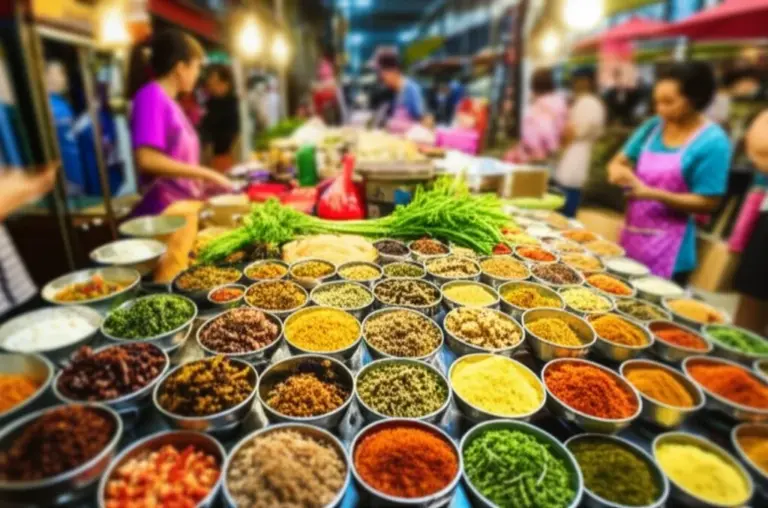
Why Thai Food Captivates Travelers: Understanding Flavors, Ingredients, and Regional Styles
- Why Thai Food Captivates Travelers: Understanding Flavors, Ingredients, and Regional Styles
Thailand, often called the ‘Land of Smiles,’ offers a feast for the senses that extends far beyond its stunning beaches and ancient temples. For many, the culinary landscape is the true highlight, and it’s easy to see why Thai food captivates travelers from around the globe. This isn’t just about eating; it’s an immersive cultural experience, a vibrant exploration of complex flavors, fresh ingredients, and distinct regional traditions that tell a story of a nation’s rich heritage. From the bustling street stalls of Bangkok to the serene kitchens of Chiang Mai, every dish is a masterpiece of balance and aroma, inviting visitors on an unforgettable gastronomic adventure.
The Symphony of Five Flavors: A Culinary Masterpiece
At the heart of Thai cuisine lies a philosophy of balance, most notably the harmonious interplay of five fundamental taste sensations: sweet, sour, salty, spicy, and sometimes bitter. Unlike many Western cuisines that might emphasize one flavor profile per dish, Thai cooking masterfully blends these elements, often in a single bite. This intricate dance of tastes is what makes Thai food so dynamic and utterly addictive. Imagine the sharp tang of lime, the fiery kick of chili, the savory depth of fish sauce, the mellow sweetness of palm sugar, and the subtle bitterness of certain herbs—all coming together to create an explosion of flavor that is both familiar and exotic.
The Five Pillars of Thai Taste:
- Sweet: Often from palm sugar, balancing heat and sourness.
- Sour: Derived from lime, tamarind, or sour fruits, providing freshness.
- Salty: Primarily from fish sauce, essential for umami depth.
- Spicy: From a variety of fresh and dried chilies, adding warmth and excitement.
- Bitter: A subtle background note from certain herbs or vegetables, adding complexity.
Essential Ingredients: The Building Blocks of Thai Cuisine
The magic of Thai food is undeniably linked to its fresh, aromatic ingredients. Unlike many cuisines that rely on dried spices, Thai cooking heavily features fresh herbs and roots, giving it a vibrant and distinctive character. Key players include fragrant lemongrass, pungent galangal (a cousin to ginger), aromatic kaffir lime leaves, and a variety of fresh chilies ranging from mild to intensely hot. These, along with garlic, shallots, and fresh cilantro, form the foundation of many curry pastes and stir-fries.
Beyond the herbs and spices, staples like fish sauce (nam pla) are indispensable, providing that crucial salty and umami depth. Coconut milk, derived from fresh coconuts, is another cornerstone, lending creaminess and richness to many curries and desserts. Of course, rice—especially fragrant jasmine rice—is the ubiquitous accompaniment to almost every meal, while sticky rice is a staple in the North and Northeast. The abundance of tropical fruits and fresh vegetables also plays a significant role, adding freshness and texture to dishes.
A Culinary Journey Through Thailand’s Regions
One of the most fascinating aspects of Thai cuisine, and a major reason why Thai food captivates travelers, is its regional diversity. Just like the country’s varied landscapes, its food changes dramatically from north to south, influenced by neighboring countries, local produce, and historical traditions. Exploring these regional styles is like taking multiple culinary vacations within one trip.
Northern Thai Cuisine: Hearty and Herby
Influenced by Myanmar and Laos, Northern Thai food is generally milder in spice than its southern counterparts and uses less coconut milk. It emphasizes fresh herbs, pork, and sticky rice. Signature dishes include Khao Soi, a rich, creamy curry noodle soup, Sai Oua (Chiang Mai sausage) bursting with herbs, and Gaeng Hung Lay, a mild, sweet-and-sour pork belly curry.
Central Thai Cuisine: The Royal Palate
The cuisine of Central Thailand, particularly around Bangkok, is often considered the most refined and balanced, influenced by the royal court. It strikes a perfect equilibrium of the five flavors and makes liberal use of coconut milk. Iconic dishes like Green Curry (Gaeng Keow Wan), the spicy and sour Tom Yum Goong (shrimp soup), and the globally famous Pad Thai exemplify this region’s culinary prowess. Jasmine rice is the preferred staple here.
Northeastern (Isaan) Thai Cuisine: Bold and Fiery
Isaan food is characterized by its intense flavors: very spicy, sour, and pungent. It shares strong culinary ties with Laos, featuring sticky rice as the main accompaniment. Must-try dishes include Som Tum (spicy green papaya salad), Larb (minced meat salad with herbs and toasted rice powder), and Gai Yang (grilled chicken). The flavors are often bold and unapologetic, reflecting the hardy nature of the region. [3]
Southern Thai Cuisine: Spicy and Seafood Rich
With its long coastlines and abundant seafood, Southern Thai cuisine is known for its intense heat, generous use of turmeric, and rich coconut milk. Curries here are often fiery and deep in flavor. Gaeng Tai Pla, a fermented fish kidney curry, is notoriously spicy, while Massaman Curry, a milder, Indian-influenced dish, offers a sweeter, richer profile with peanuts and potatoes. Fresh seafood prepared with bold spices is a highlight of this region. [3]
Beyond the Plate: The Cultural Experience
The appeal of Thai food extends beyond its taste; it’s deeply embedded in the country’s culture and social fabric. Dining in Thailand is often a communal affair, with multiple dishes shared among friends and family, reflecting the warm hospitality (kreng jai) that Thais are known for. The vibrant street food scene is a testament to this, offering an accessible and authentic way to experience local flavors. Travelers can witness skilled vendors preparing dishes fresh to order, engaging in friendly banter, and soaking in the lively atmosphere. [2, 8]
For those seeking a deeper dive, participating in a Thai cooking class is a highly recommended activity. These classes offer hands-on experience with traditional ingredients and techniques, demystifying the art of balancing flavors and allowing travelers to take a piece of Thailand’s culinary magic home with them. It’s an interactive way to understand the expertise and passion that goes into every dish, further solidifying why Thai food captivates travelers as a holistic experience. [9]
Conclusion
From the intricate balance of its five core flavors to the vast diversity of its regional dishes and the warmth of its culinary culture, Thai food offers an unparalleled journey for any traveler. It’s a cuisine that stimulates every sense, leaving a lasting impression long after the last bite. Whether you’re savoring a fiery curry in the south, a comforting noodle soup in the north, or a perfectly balanced dish in the central plains, the experience of Thai food is an essential part of understanding and appreciating Thailand itself. So, pack your bags and prepare your palate; a world of captivating flavors awaits.
คำถามที่พบบ่อย (FAQ)
References
- Why Thailand is Famous for Street Food | Exploring Thai Street Food Culture. #streetfood – YouTube
- Thailand’s Regional Cuisines – YouTube
- Asia’s Affordable Paradise | Stunning Sights, Culture & Cuisine in 10 Minutes!” – YouTube
- Best Thai’s Food for First-Time Travelers | Asia Pioneer Travel – YouTube
- Why Is THAI FOOD So Good?! – YouTube