What are Thai temples like and why is proper etiquette important for visitors?
Thai temples, known locally as Wats, are far more than just places of worship; they are the spiritual, artistic, and social heart of Thai communities. For any traveler venturing to the Land of Smiles, understanding both the breathtaking Thai temple etiquette and architecture is fundamental to a respectful and rewarding experience. These sacred sites offer a vibrant glimpse into Theravada Buddhism, showcasing centuries of intricate craftsmanship. However, approaching them without the proper cultural understanding can lead to unintentional offense. This guide will illuminate the visual splendor of Thai Wats and detail the crucial rules of conduct you must follow.
The Architectural Marvels of Thai Temples (Wats)
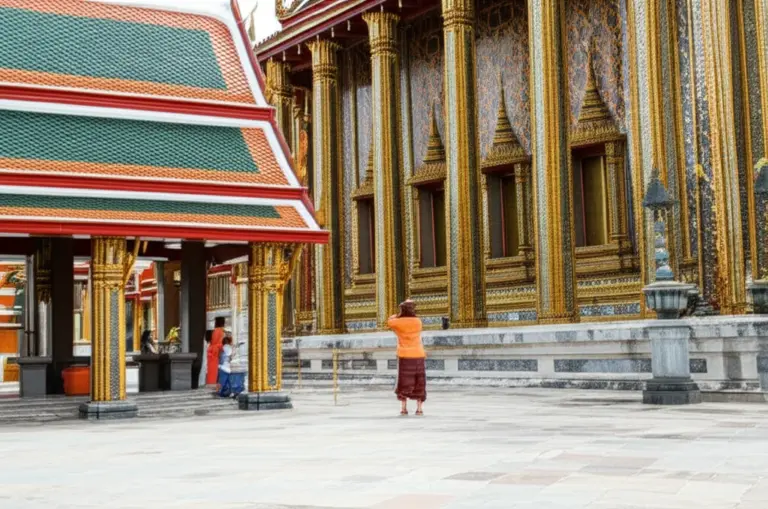
A Thai temple complex is typically composed of several distinct structures, each serving a unique purpose. The architecture blends Hindu influences with indigenous Thai styles, resulting in structures adorned with dazzling gold leaf, colored glass mosaics, and mythical creatures. Understanding these components enhances your appreciation of the site’s design.
Key Components: Ubosot (Ordination Hall) vs. Viharn (Assembly Hall)
The two most important buildings are the Ubosot and the Viharn. The Ubosot (Ordination Hall) is the most sacred building, reserved exclusively for monks to perform important ceremonies, such as ordinations. It is usually the most elaborately decorated structure. The Viharn (Assembly Hall) is where laypeople gather to listen to sermons and make offerings. While highly revered, it is generally more accessible than the Ubosot.
Striking Design Elements
Look closely at the roofs and entrances. You will notice several recurring motifs:
- Chedi (Stupa): A towering, often bell-shaped structure housing relics of the Buddha or revered monks. Its shape symbolizes the path to enlightenment.
- Prang: A tall, corn-cob-shaped tower, heavily influenced by Khmer (Cambodian) temple architecture, often seen in older central Thai Wats.
- Naga Balustrades: Mythical serpent deities that guard the stairways leading up to the main halls, symbolizing protection and the transition from the profane world to the sacred.
- Mural Paintings: Inside the halls, vibrant murals often depict scenes from the Jataka tales (stories of the Buddha’s previous lives) or Buddhist cosmology.
Experiencing the Serenity: What to Expect Inside a Wat
When you step onto the temple grounds, you immediately sense a shift in atmosphere—a palpable sense of calm and devotion. Even in bustling cities like Bangkok, the temple grounds offer an oasis of tranquility.
Atmosphere and Artistry
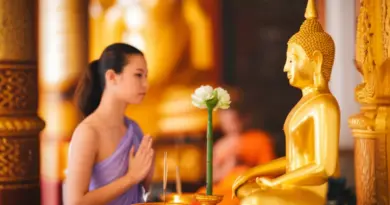
The central focus inside any hall is the main Buddha image. These can range from immense, gold-plated statues to ancient, weathered stone carvings. Take a moment to observe how local worshippers interact with the image—bowing, offering incense, and placing gold leaf onto statues as an act of merit-making. This quiet reverence sets the stage for understanding why strict Thai temple etiquette and architecture are so important.
The Crucial Importance of Thai Temple Etiquette
Respect is paramount in Thai culture, and nowhere is this more evident than within a Wat. These are not tourist attractions; they are active places of worship. Adhering to proper conduct shows respect for the resident monks, the Thai Buddhist faith, and the local community. Ignoring these rules is considered deeply disrespectful.
Dress Code: Covering Shoulders and Knees
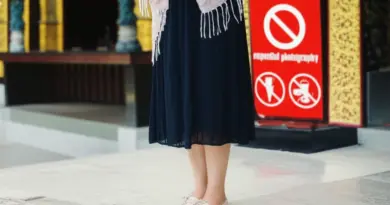
This is the most common requirement. Your attire must cover both your shoulders and knees. This applies to men and women. Avoid tank tops, short shorts, mini-skirts, and revealing clothing. Loose-fitting trousers or skirts that reach below the knee, and shirts with sleeves (even short sleeves), are generally acceptable. If you forget, many major temples offer sarongs or shawls for rent or loan, but it is always best to arrive prepared.
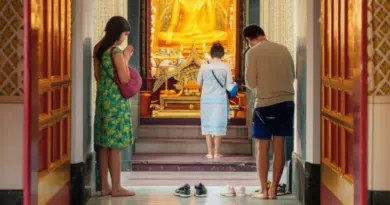
Before entering any building within the temple complex (Ubosot, Viharn, or even some museum areas), you must remove your shoes. Look for shoe racks or designated areas near the entrance. The floor inside is considered sacred. Furthermore, when sitting, ensure the soles of your feet never point directly at a Buddha image or a monk, as this is considered highly insulting. Keep your feet tucked beneath you or crossed neatly to the side.
Interacting with Monks and Buddha Images
Interactions with monks require special deference. Women must never touch a monk or hand an object directly to him; instead, place the item down or pass it via a male intermediary. When greeting, the traditional Thai gesture, the wai, is appropriate, with higher hands indicating greater respect. When approaching a Buddha image, always bow three times, touching the ground with your hands after the final bow, symbolizing reverence for the Triple Gem (Buddha, Dharma, Sangha).
Practical Tips for Your First Temple Visit
To ensure a smooth day of exploration, here are a few final pieces of advice covering logistics and behavior.
Timing and Offerings
Temples are generally open from early morning until late afternoon. Visiting early (before 9 AM) often provides cooler temperatures and fewer crowds, allowing for deeper contemplation. Small offerings, such as lotus flowers, incense sticks, or candles, can be purchased near the entrance to offer at designated spots. Remember that loud conversations, taking selfies in front of worshippers, or using flash photography inside halls is strictly forbidden.
| Do | Don’t |
|---|---|
| Dress modestly (shoulders/knees covered). | Point your feet at sacred objects or people. |
| Remove shoes before entering halls. | Touch monks or pass items directly to them (if you are female). |
| Speak softly and move slowly. | Take photos with flash inside the main halls. |
คำถามที่พบบ่อย (FAQ)
Here are answers to common queries regarding visiting temples in Thailand.
1. Do I have to pay an entrance fee for Thai temples?
Many local community Wats are free to enter, though donations are always welcome. However, major, highly ornate temples (like Wat Pho or Wat Arun in Bangkok) usually charge a small entrance fee, which goes toward maintenance and restoration efforts.
2. Is it okay to take selfies inside the temple halls?
While taking photos outside is usually fine, taking selfies inside the main halls, especially near the main Buddha image or while worshippers are praying, is generally discouraged. Always prioritize reverence over photography.
3. What is the significance of the Wai gesture?
The Wai is the traditional Thai greeting and gesture of respect. The higher the hands are held (closer to the nose or forehead), the deeper the respect shown. When greeting a monk or an elder, the fingertips should touch the bridge of the nose. As a visitor, a simple Wai with hands at chest level is usually sufficient when interacting with laypeople.
4. Can I leave a donation at a Thai temple?
Yes, leaving a donation is highly encouraged. Look for designated donation boxes. If you wish to offer something directly to a monk, remember the etiquette regarding female visitors handing items over—always use a male intermediary or place the item on a table for the monk to collect.
5. Are all Thai temples the same?
No. While the core elements of Buddhist architecture remain, regional styles vary significantly. For example, temples in Chiang Mai (Lanna style) feature distinct stepped roofs and gold ornamentation, while those in Ayutthaya reflect historical grandeur, and coastal temples might incorporate more maritime motifs.
References
By respecting the profound traditions woven into the very fabric of Thai temple architecture, you ensure that your journey through these magnificent sites is one of mutual understanding and deep appreciation. Enjoy the serenity and beauty that the Wats of Thailand have to offer.
- Visiting Thai temples: Essential etiquette for respectful and safe visits (what tourists must know)
- How should you dress and prepare before entering a temple (clothing, footwear, photography rules)?
- What respectful behaviors and rituals should you follow inside a temple (prostration, offering, noise, monk interactions)?