How should you dress and prepare before entering a temple (clothing, footwear, photography rules)?
- How should you dress and prepare before entering a temple (clothing, footwear, photography rules)?
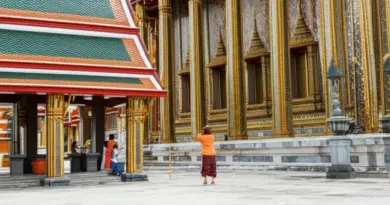
Visiting the magnificent Wats (temples) of Thailand is a highlight of any trip, offering deep insight into Buddhist culture and breathtaking architecture. However, these are active places of worship, not merely tourist attractions. To ensure you show the utmost respect and avoid any awkward moments, understanding the proper dress code for Thai temples is crucial. This comprehensive guide covers everything you need to know about appropriate attire, footwear etiquette, and photography guidelines before you step onto sacred ground.
Understanding the Sanctity of Thai Temples
In Thailand, temples are central to community life and religious practice. They are governed by codes of conduct rooted in Buddhist tradition. The key principle guiding all preparation is respect. When you enter a Wat, you are entering the Buddha’s dwelling. This means minimizing distractions, dressing modestly, and behaving quietly. While Thai people are generally very understanding of tourists, adhering to these simple rules ensures your visit is welcomed and positive.
The Essential Temple Dress Code: Covering Up Respectfully
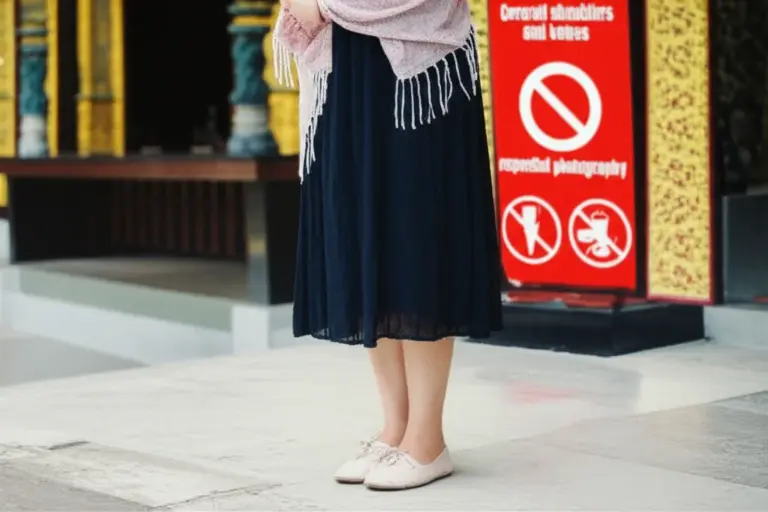
The most common mistake tourists make relates directly to clothing. The standard requirement across almost all major Wats in Thailand revolves around covering the shoulders and knees. Think of it as smart-casual, but leaning heavily towards conservative.
Clothing Requirements: Shoulders and Knees
- Shoulders Covered
- Knees Covered
- Midriff/Cleavage Avoid
Fabric Choice and Comfort in the Thai Heat
While covering up is necessary, remember you are likely visiting in high heat and humidity. Opt for light, breathable fabrics like linen or lightweight cotton. Dark, heavy synthetic materials will quickly become uncomfortable. Layering is your best friend; bring a light scarf or sarong that can instantly cover your shoulders or legs if needed.
What to Avoid Wearing
To maintain the highest level of respect, avoid attire that is overly revealing or distracting. This includes:
- Spaghetti straps, tank tops, or sleeveless shirts.
- Short shorts, mini-skirts, or tight leggings (unless worn under a longer, opaque covering).
- Sheer or highly transparent clothing.
- Clothing featuring offensive graphics, political slogans, or overly large branding.
Footwear Etiquette: Leaving Shoes at the Door
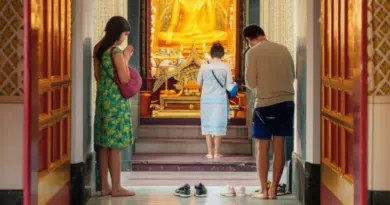
In Thailand, shoes are considered dirty as they touch the ground, which is metaphorically lower than the Buddha. Therefore, removing your footwear before entering any temple building, ordination hall (Ubosot), or sometimes even the main courtyard, is mandatory. This applies to everyone, tourists and locals alike.
Why Shoe Removal is Mandatory
The interior of a temple structure is consecrated ground. Leaving your shoes outside shows humility and acknowledges the spiritual nature of the space. You will often see designated racks or piles of shoes outside entrances. Always place your shoes neatly, pointing the toes outward, and remember where you left them!
Quick Tips for Easy Slip-On Shoes
For ease of travel, choose footwear that can be slipped on and off quickly. Sandals, flip-flops (provided they are presentable), or slip-on canvas shoes are ideal. Avoid complicated boots or shoes with many laces if you plan on visiting multiple temples in one day.
Preparing for Your Visit: Beyond the Attire
Proper preparation extends beyond just what you wear. Your actions and documentation methods also fall under temple etiquette.
Behavior and Demeanor Inside the Wat
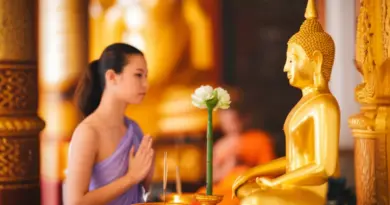
When inside the main sanctuary, remember to speak softly. Never point your feet directly at a Buddha image or a monk, as the feet are considered the lowest part of the body. If you sit on the floor to admire a statue, sit with your legs tucked beside you (the ‘mermaid’ or ‘half-lotus’ position) or cross-legged, ensuring your feet point away from the altar. When greeting monks, men should offer a slight bow with hands pressed together (Wai), and women should place their hands slightly lower than a man’s Wai.
Photography and Filming Rules
Photography is generally permitted in most areas of Thai temples, but there are crucial exceptions. Never take photos that could be interpreted as disrespectful. This means no posing directly in front of Buddha statues as if you are greeting them, no posing in suggestive ways, and absolutely no taking photos of monks without their explicit permission. Always ask first! Some specific inner sanctuaries may prohibit all photography.
Critical Preparations Checklist
Use this quick reference table to ensure you are fully prepared for your next temple visit in Thailand.
| Preparation Item | Requirement | Checked |
|---|---|---|
| Shoulders | Fully covered (no tank tops) | |
| Knees/Legs | Covered by pants, long shorts, or sarong | |
| Footwear | Easy to remove slip-ons recommended | |
| Behavior | Quiet voice, respectful posture | |
| Photography | Ask permission before photographing monks |
คำถามที่พบบ่อย (FAQ)
References
Official Tourism Authority of Thailand Guidelines
Cultural Etiquette Briefings
- Visiting Thai temples: Essential etiquette for respectful and safe visits (what tourists must know)
- What are Thai temples like and why is proper etiquette important for visitors?
- What respectful behaviors and rituals should you follow inside a temple (prostration, offering, noise, monk interactions)?