Songkran, Loy Krathong, and Other Highlight Events — Traditions, Rituals, Safety Tips, and How to Experience Them Authentically
- Songkran, Loy Krathong, and Other Highlight Events — Traditions, Rituals, Safety Tips, and How to Experience Them Authentically
Thailand, a land of captivating beauty and profound spirituality, is renowned globally for its vibrant festivals. These events are not merely celebrations; they are deep dives into the heart of Thai culture, offering unique insights into the nation’s traditions, beliefs, and community spirit. For anyone interested in thailand Tourism, experiencing these highlight events is an absolute must. From the joyous water fights of Songkran to the ethereal glow of Loy Krathong, each festival presents an unforgettable opportunity to connect with the local way of life. This guide will take you through the traditions, rituals, safety tips, and provide advice on how to authentically experience these incredible celebrations.
Songkran: The Thai New Year Water Festival
Songkran, celebrated annually from April 13th to 15th, marks the traditional Thai New Year. It’s famous worldwide for its exuberant water fights, transforming cities into massive, joyful playgrounds. However, at its core, Songkran is a deeply spiritual and symbolic festival. The water, while used for playful splashing, traditionally signifies purification, washing away the misfortunes of the past year and welcoming a fresh start. It’s a time for family reunions, paying respect to elders, and visiting temples.
Traditions and Rituals of Songkran
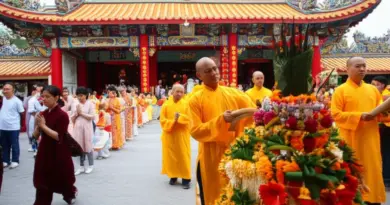
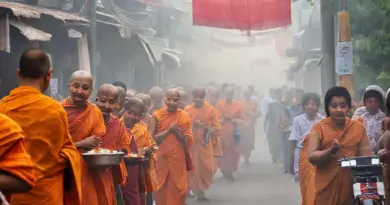
Before the boisterous water fights begin, many Thais engage in traditional rituals. People clean their houses to rid themselves of any bad luck from the previous year. A significant ritual involves ‘Rod Nam Dam Hua’ – gently pouring scented water over the hands of elders and respected individuals to ask for blessings. Another key practice is ‘Bathing the Buddha images’ (Song Nam Phra), where devotees pour water mixed with fragrant herbs over Buddha statues, symbolizing purification and good fortune. Many also visit temples to make merit and offer food to monks.
Safety Tips for Songkran
- Protect Your Valuables: Use waterproof bags or pouches for phones, wallets, and cameras. Leave non-essential items at your accommodation.
- Eye Protection: Goggles or sunglasses are highly recommended to prevent water (and potentially dirty water) from irritating your eyes.
- Footwear: Wear non-slip sandals or shoes as roads become extremely slippery.
- Hydration: Stay hydrated, as April is one of Thailand’s hottest months.
- Be Respectful: Avoid splashing monks, the elderly, or people on motorbikes, especially those carrying passengers or goods.
How to Experience Songkran Authentically
To truly experience Songkran, participate in both the traditional and the playful aspects. Start your day by visiting a local temple to observe or join in the Buddha bathing ritual. In the afternoon, embrace the water fights – buy a water gun and join the crowds! Major cities like Bangkok (Khao San Road, Silom), Chiang Mai, and Pattaya are famous for their lively celebrations. For a more traditional experience, head to areas like Phra Pradaeng in Samut Prakan, where the local Mon people celebrate Songkran a week later with unique cultural parades and folk games.
Loy Krathong: The Festival of Lights
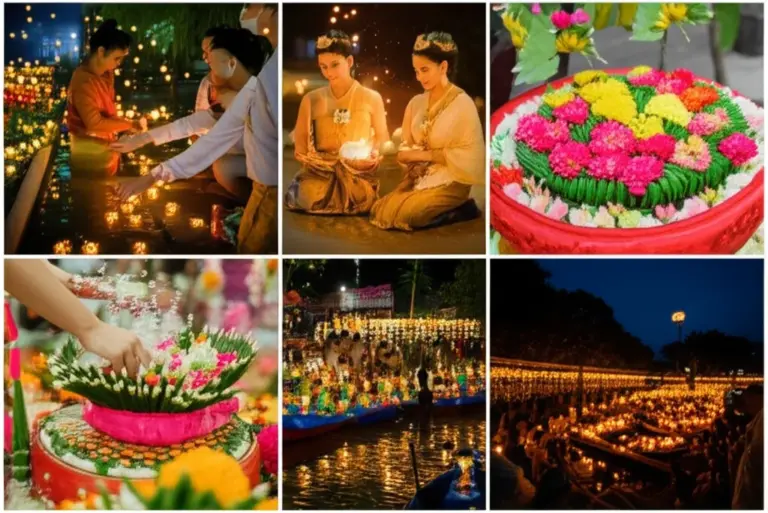
Loy Krathong, usually falling in November on the full moon night of the 12th lunar month, is one of Thailand’s most visually stunning and enchanting festivals. The name ‘Loy Krathong’ translates to ‘to float a basket,’ referring to the tradition of launching beautifully decorated ‘krathongs’ (small floats made from banana leaves or spider lily plants, adorned with flowers, candles, and incense sticks) onto rivers, canals, and lakes. It’s a serene and contemplative event, a stark contrast to the boisterous Songkran.
Traditions and Rituals of Loy Krathong
The primary ritual of Loy Krathong involves floating the krathong. This act symbolizes letting go of grudges, anger, and negativity, and making wishes for good fortune in the coming year. It’s also an act of paying respect to the water goddess, Phra Mae Khongkha, for her blessings and seeking forgiveness for polluting the waters. Many Thais also place a lock of hair or nail clippings in their krathong to further symbolize letting go of the past. The sight of thousands of flickering lights drifting across the water is truly magical.
Safety Tips for Loy Krathong
- Fire Safety: Be cautious with candles and incense on your krathong. Keep a safe distance from others and flammable materials.
- Crowd Management: Festivals attract large crowds. Be aware of your surroundings, especially near water bodies.
- Environmental Awareness: Choose krathongs made from natural, biodegradable materials (e.g., banana leaves, bread) to minimize environmental impact. Avoid styrofoam.
- Bargain Fairly: If buying a krathong, be prepared to haggle a little, but always be respectful.
How to Experience Loy Krathong Authentically
The most iconic places to experience Loy Krathong are Sukhothai (the historical park is breathtaking with light and sound shows), Chiang Mai (where it coincides with the Yi Peng sky lantern festival), and Bangkok (along the Chao Phraya River). Participate by making or buying your own krathong and releasing it with a personal wish. If you’re in Chiang Mai, don’t miss the simultaneous Yi Peng festival, where thousands of paper lanterns are released into the night sky, creating an awe-inspiring spectacle. This dual celebration is a highlight for thailand Tourism.
Other Highlight Events in Thailand
Beyond Songkran and Loy Krathong, Thailand hosts a myriad of other captivating festivals throughout the year, each with its own unique charm and traditions. These events offer diverse cultural experiences for any traveler.
Phi Ta Khon (Ghost Festival)
Held in Dan Sai, Loei Province, Phi Ta Khon is a vibrant and quirky festival usually taking place in June or July. It’s a three-day event combining animist and Buddhist beliefs, celebrating the return of Phra Upakut, a revered Buddha. Locals wear elaborate, colorful ghost masks with long, phallic noses and paraded through the town, making noise to wake the spirits. It’s a lively procession with music, dancing, and a strong sense of local community.
Vegetarian Festival (Tesagan Gin Je)
Primarily celebrated in Phuket, but also in Bangkok and other Chinese-Thai communities, this nine-day festival in October is a dramatic display of devotion. Participants abstain from meat and other stimulants, and some engage in extreme acts of self-mutilation (such as piercing their cheeks with various objects) to invoke the gods. It’s a fascinating, albeit intense, cultural experience rooted in Chinese Taoist beliefs.
Surin Elephant Round-up
Held annually in November in Surin Province, this event showcases the historical bond between the local Kuy people and elephants. It features impressive parades, demonstrations of ancient elephant-hunting techniques, and elephant football matches. While controversial for some, it remains a significant cultural event for the region.
General Tips for Authentic Festival Experiences
Regardless of which festival you attend, a few general tips can enhance your experience and ensure you engage respectfully with Thai culture:
- Ask Before Photographing: Especially for rituals or close-up shots of people.
- Embrace Local Customs: Try to understand the significance behind the traditions. Your willingness to learn will be appreciated.
- Book in Advance: Accommodation and transport fill up quickly during major festival periods.
- Support Local: Purchase food and crafts from local vendors to contribute directly to the community.
- Learn Basic Phrases: A few words of Thai like “Sawasdee krap/ka” (hello) or “Khob khun krap/ka” (thank you) go a long way.
Thailand’s festivals are a testament to its rich cultural heritage and the warm spirit of its people. Whether you’re seeking adventure, spiritual enlightenment, or simply a deeper understanding of Thai life, these events offer an unparalleled experience for thailand Tourism. Plan your visit around these highlight events, and you’re guaranteed memories that will last a lifetime.
คำถามที่พบบ่อย (FAQ)
References
- Tourism Authority of Thailand (TAT) Official Website
- UNESCO – Songkran in Thailand, traditional Thai New Year festival
- YouTube – Traditional Thai Festivals: Songkran and Loy Krathong
- Thailand’s Festivals and Events: The Ultimate Calendar of Unforgettable Cultural Celebrations
- Overview of Thailand’s Major Festivals by Season and Region — What to Expect, Best Times to Visit, and Key Cultural Significance for Travelers and Locals
- Regional and Niche Celebrations Worth Travel Planning — Loi Prathip, Phi Ta Khon, Bun Bang Fai, and Local Long-tail Festival Searches for Trip Itineraries