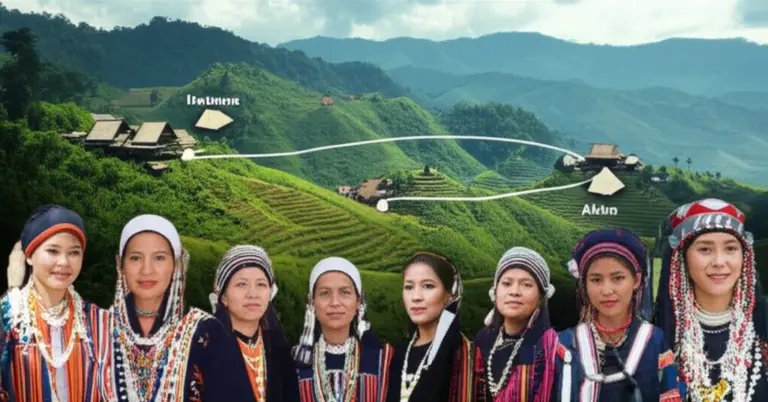
Overview of Thailand’s Hill Tribes and Their Historical Roots: who they are, where they live, major groups (Karen, Hmong, Akha, Lisu, Lahu), and cultural influences from migration and history
- Overview of Thailand’s Hill Tribes and Their Historical Roots: who they are, where they live, major groups (Karen, Hmong, Akha, Lisu, Lahu), and cultural influences from migration and history
Northern Thailand is a region rich in natural beauty and deep cultural history, much of which is woven by the distinct communities collectively known as Thailand’s Hill Tribes. These ethnic minority groups—including the Karen, Hmong, Akha, Lisu, and Lahu—represent centuries of migration, cultural adaptation, and resilience. For tourists seeking authentic experiences beyond the beaches, understanding who these people are, where they live, and their historical roots is essential for respectful and sustainable engagement. Their unique languages, intricate traditional costumes, and ancient agricultural practices offer a profound glimpse into a way of life often untouched by modern urbanization.
The Historical Tapestry of Thailand’s Hill Tribes
The history of Thailand’s Hill Tribes is fundamentally tied to migration. Unlike the ethnic Thai majority (Siamese), these groups maintained semi-autonomous lifestyles high in the hills, largely due to historical conflicts, population pressures, and the search for fertile land. Their movements were complex, often dictated by political instability in neighboring regions, particularly China (Yunnan Province) and Myanmar. The primary wave of migration for most groups accelerated from the 18th century onwards, peaking significantly during the 19th and 20th centuries, especially following conflicts like the Chinese Civil War and political turmoil in Burma. This historical context explains the diversity and often precarious legal status many groups initially held within the Thai state.
Geographic Distribution: Where They Live
The vast majority of Hill Tribe communities are settled in the mountainous provinces of Northern Thailand, collectively known as the ‘Golden Triangle’ region. This area encompasses Chiang Mai, Chiang Rai, Mae Hong Son, Nan, and Tak. The elevation and climate in these regions allowed them to practice traditional subsistence farming, often utilizing slash-and-burn (swidden) agriculture, although modern conservation efforts and government integration programs have shifted many toward settled, sustainable farming methods like rotated crops and tea cultivation.
- Chiang Mai: Home to large populations of Karen and Hmong.
- Chiang Rai: Known for Akha, Lahu, and Lisu villages.
- Mae Hong Son: Famous for the ‘Long Neck’ Karen (Padaung) sub-group, near the Myanmar border.
The Major Hill Tribe Groups of Northern Thailand
While many smaller groups exist, five main groups dominate the cultural landscape of Northern Thailand, each possessing a distinct language, religious practice, and material culture.
Karen (Kariang): The Largest Group
The Karen represent the largest of Thailand’s Hill Tribes, with a population spread across Thailand and Myanmar. They are believed to have originated in Mongolia and migrated south, settling in Thailand earlier than most other groups (around the 13th century). They are known for their sustainable farming practices, including wet-rice cultivation in terraced fields, and their deep connection to the forest. The Karen are often divided into sub-groups, most famously the Padaung (Long Neck Karen), whose women wear brass rings around their necks, a tradition that has become a complex subject within the tourism debate.
Hmong (Miao): Masters of Migration
The Hmong migrated from Southern China relatively recently, arriving mainly in the 19th and 20th centuries. They are renowned for their highly intricate needlework (paj ntaub) and their vibrant New Year celebrations. Historically, the Hmong were adept at cultivating opium poppy, a practice that the Thai government successfully suppressed through crop substitution programs, leading to the current production of cash crops like cabbage, strawberries, and temperate fruits. Their traditional spiritual practices often involve shamanism and ancestor worship.
Akha: Guardians of Tradition
The Akha are perhaps the most culturally conservative group. Originating from Yunnan, China, they are easily recognizable by their elaborate headgear, adorned with silver coins, feathers, and beads, which signifies the wearer’s life stage and status. Their villages are traditionally marked by the ‘Akha Swing’ and the ‘Spirit Gate,’ which separates the human world from the spirit world. The Akha maintain a strong adherence to the ‘Akha Zang’ (Akha Way), a comprehensive code of conduct based on ancestor worship and nature spirits.
Lisu and Lahu: Distinctive Identities
| Tribe | Key Feature | Costume Style |
|---|---|---|
| Lisu | Known for their colorful, geometric appliqué work and independent spirit. | Bright, multi-colored robes with wide sleeves and belts. |
| Lahu | Traditionally skilled hunters; often called the ‘Mussur’ or hunter people. | Dark clothing, often black or blue, decorated with red and white trim. |
Cultural Influences from Migration and History
The migratory history of Thailand’s Hill Tribes has resulted in a fascinating blend of cultural influences. Their proximity to China, Myanmar, and Laos means their traditions often carry elements from multiple regions. For instance, while many groups practice animism and ancestor worship, Christian and Buddhist missionaries have had significant success, leading to syncretic religious practices where traditional beliefs coexist with modern faiths. Furthermore, integration with the Thai state has introduced education, modern infrastructure, and economic opportunities, simultaneously aiding development and presenting challenges to cultural preservation. The rise of tourism has been a double-edged sword, providing income but sometimes leading to the commodification of culture.
Cultural Preservation and Sustainable Tourism
For the responsible tourist, engaging with Hill Tribe culture requires sensitivity and respect. Sustainable tourism efforts focus on ensuring that financial benefits flow directly to the communities, rather than external operators, and that cultural practices are not exploited. Visiting villages that prioritize cultural authenticity and education over spectacle, supporting local handicrafts (such as Hmong embroidery or Karen silverwork), and asking permission before taking photographs are fundamental steps toward ethical travel. By understanding the historical roots and contemporary challenges faced by these communities, visitors can contribute positively to the preservation of these vibrant ethnic minorities.
Conclusion
The Hill Tribes are an indispensable part of Thailand’s cultural mosaic. Their stories of migration, adaptation, and preservation against the backdrop of Northern Thailand’s stunning landscape offer tourists a deeply rewarding and educational experience. From the large Karen settlements to the traditional Akha villages, these diverse groups continue to uphold their distinct identities while navigating the complexities of the modern world, making them a truly unique attraction for cultural tourism.
คำถามที่พบบ่อย (FAQ)
References
- Study on Migration Patterns of Southeast Asian Hill Tribes
- Sustainable Tourism Practices in Northern Thailand
- Exploring Thailand’s Ethnic Diversity: A Guide to Hill Tribes and Local Cultures
- Practical Travel Guide to Visiting Hill Tribe Communities: ethical tourism tips, best seasons and regions (Chiang Mai, Chiang Rai, Mae Hong Son), responsible homestays, and local guides
- Cultural Practices, Traditions, and Daily Life: language, dress, festivals, agriculture, crafts, belief systems, and how modernization affects traditions