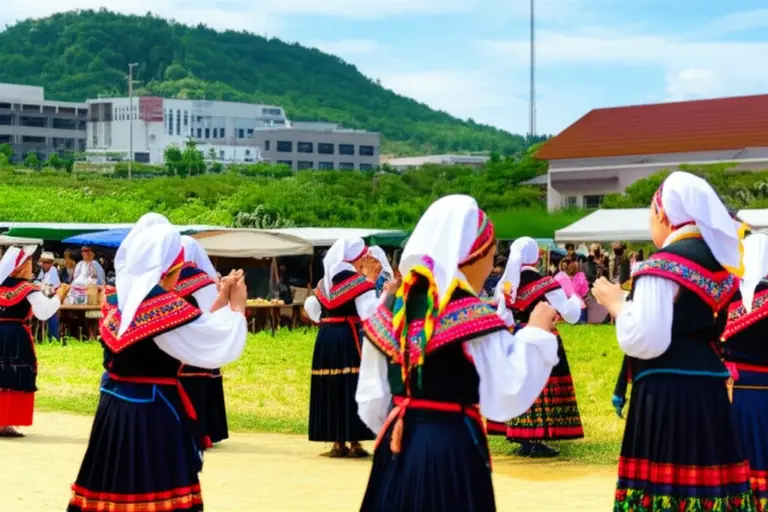
Cultural Practices, Traditions, and Daily Life: language, dress, festivals, agriculture, crafts, belief systems, and how modernization affects traditions
- Cultural Practices, Traditions, and Daily Life: language, dress, festivals, agriculture, crafts, belief systems, and how modernization affects traditions
Thailand’s identity is a rich tapestry woven from centuries of history, strong spiritual beliefs, and an inherent respect for hierarchy and community. This article explores the essential pillars of Thai daily life, examining the traditional practices that persist today and the subtle yet profound ways modernization is influencing their evolution.
The Foundation of Thai Identity: Language and Belief Systems
The core of Thai culture lies in its language and spiritual commitment. These elements provide the framework for social interaction and ethical conduct, guiding daily decisions and societal norms.
The Rhythms of Thai Language ()
Thai, a tonal language, is intrinsically linked to the social structure. The use of polite particles (like khrap for males and kha for females) and hierarchical pronouns reflects the high importance placed on respect for elders and social status. While English is increasingly common in tourist areas, embracing even a few Thai phrases shows respect and opens doors to deeper cultural exchange. The traditional greeting, the Wai (a slight bow with palms pressed together), serves as a visual representation of this respect, its height corresponding to the status of the person being greeted.
Buddhism: The Core Spiritual Compass ()
Theravada Buddhism is the dominant religion, profoundly influencing the national psyche. Concepts like karma (the law of cause and effect) and sanuk (the enjoyment of life) permeate daily life. Monks are highly revered, and merit-making (giving alms, donating to temples) is a vital practice. Tourists will observe spirit houses (ศาลพระภูมิ) outside almost every building—small shrines dedicated to the land spirits, reflecting the blending of animistic beliefs with Buddhist practice.
Visual Expressions: Dress and Craftsmanship
Traditional Thai Dress (Chut Thai) ()
While Western clothing is standard for everyday wear, the Chut Thai (Thai outfit) remains crucial for formal occasions, weddings, and traditional festivals. These garments are highly varied, reflecting regional differences and historical periods. For women, the intricate silk weaving (particularly from the Northeast, or Isaan) is a hallmark of quality and artistic skill, demonstrating a commitment to preserving traditional textile arts.
Intricate Thai Handicrafts ()
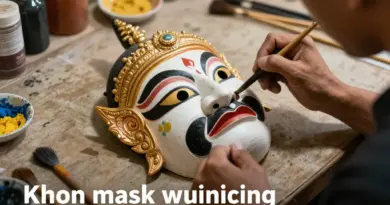
Thai crafts—including silverwork, lacquerware, ceramics, and wood carving—are testament to generations of refined skill. These crafts are not merely decorative; historically, they served religious purposes or were used in royal courts. Today, they form a critical part of the local economy, especially in northern regions like Chiang Mai. Supporting these local artisans is a direct way to contribute to the preservation of these specific **Thai cultural traditions**.
Celebrating Life: Festivals and Daily Rhythms
Major Festivals: Songkran and Loy Krathong ()
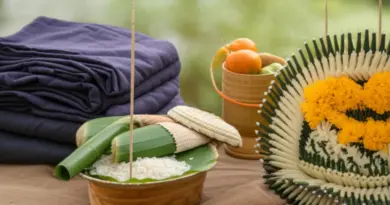
Festivals are the most visible manifestation of Thai culture. Songkran (Thai New Year, April) is famous globally for its water fights, but its traditional meaning revolves around purification and paying respect to elders. Loy Krathong (November) involves floating small, decorated baskets (krathongs) on water bodies to pay respect to the Water Goddess and symbolically float away bad luck. These events blend religious reverence with exuberant community celebration.
| Element of Daily Life | Traditional Practice | Cultural Significance |
|---|---|---|
| Greetings | The Wai (respectful bow) | Demonstrates hierarchy and mutual respect. |
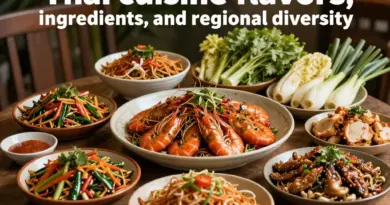
| Food | Sharing communal dishes | Emphasizes family and community unity. |
| Agriculture | Rice cultivation rituals | Honoring the Rice Goddess (Phra Mae Phosop). |
Agriculture: The Heart of the Nation ()
Despite rapid industrialization, Thailand remains an agrarian society at its core, known as one of the world’s great rice bowls. Traditional farming techniques and the associated rituals, such as those honoring the Rice Goddess, are still practiced, though often supplemented by modern technology. The annual Royal Ploughing Ceremony highlights the importance of agriculture and ancient royal rituals to the nation’s well-being.
Modernization and the Preservation of Thai cultural traditions
Modernization brings undeniable changes. Global tourism introduces new ideas and economic pressures, leading to both cultural dilution and vibrant preservation efforts. Urban centers like Bangkok operate at a global pace, where traditional etiquette might be slightly relaxed. However, the government and local communities actively work to safeguard heritage.
For instance, while young people embrace international fashion, there is a renewed interest in traditional music and food preparation techniques. Furthermore, the role of the monarchy remains a profoundly stabilizing force, ensuring that key national ceremonies and traditional values are maintained. The challenge lies in integrating modern economic realities while maintaining the essential spiritual and communal harmony that defines **Thai cultural traditions**.
คำถามที่พบบ่อย (FAQ)
References
- Source on Thai Language and Wai Etiquette
- Information on Theravada Buddhism in Southeast Asia
- Details on Traditional Thai Festivals (Songkran and Loy Krathong)
- Exploring Thailand’s Ethnic Diversity: A Guide to Hill Tribes and Local Cultures
- Overview of Thailand’s Hill Tribes and Their Historical Roots: who they are, where they live, major groups (Karen, Hmong, Akha, Lisu, Lahu), and cultural influences from migration and history
- Practical Travel Guide to Visiting Hill Tribe Communities: ethical tourism tips, best seasons and regions (Chiang Mai, Chiang Rai, Mae Hong Son), responsible homestays, and local guides