How to join ethically: choosing the right tour, interacting with monks and locals, and avoiding common tourist mistakes
- How to join ethically: choosing the right tour, interacting with monks and locals, and avoiding common tourist mistakes
Thailand, often called the “Land of Smiles,” captivates millions with its vibrant culture, stunning landscapes, and warm hospitality. As travelers, we have a profound impact on the places we visit. Embracing ethical tourism in Thailand is not just a trend; it’s a responsibility that ensures our adventures contribute positively to the local communities and preserve the natural beauty and cultural heritage for future generations. This guide will help you navigate your journey with mindfulness, from selecting responsible tours to fostering respectful interactions with monks and locals, and sidestepping common tourist pitfalls.
Choosing the Right Tour: Beyond the Brochure
The first step towards an ethical trip is often choosing the right tour operator. Many companies offer seemingly attractive packages, but not all prioritize sustainability or community welfare. It’s crucial to look beyond the glossy brochures and delve into their practices.
Researching Ethical Operators
Look for tour companies that are transparent about their operations and have clear policies on responsible tourism. Certifications from recognized bodies, positive reviews highlighting their ethical practices, and partnerships with local community projects are good indicators. Prioritize operators who employ local guides, pay fair wages, and reinvest profits into the local economy rather than siphoning them off to international headquarters. A responsible tour operator will often educate their clients on local customs and environmental considerations, ensuring a mutually beneficial experience.
Avoiding Animal Exploitation
One of the most critical aspects of ethical tourism in Thailand involves animal welfare. Elephant riding, tiger petting, and shows involving captive animals are often associated with cruel training methods and poor living conditions. Instead, seek out genuine ethical elephant sanctuaries where elephants roam freely, and visitors can observe them from a respectful distance without direct interaction. These reputable sanctuaries focus on rescue, rehabilitation, and providing a natural habitat for the animals. Always verify a sanctuary’s claims by checking independent reviews and reputable animal welfare organizations.
Supporting Local Communities
Opt for tours that directly benefit local communities, such as community-based tourism initiatives. These might include homestays in traditional villages, cooking classes with local families, or workshops where you learn traditional crafts. Such experiences offer a deeper cultural immersion and ensure your money directly supports the livelihoods of the people who call Thailand home. It’s about building connections and understanding, rather than just consuming.
Interacting with Monks and Locals: Cultural Sensitivity is Key
Thailand is a predominantly Buddhist country, and respect for its religious and cultural norms is paramount. Understanding and adhering to local etiquette will enhance your experience and show genuine appreciation for Thai culture.
Temple Etiquette and Respect for Monks
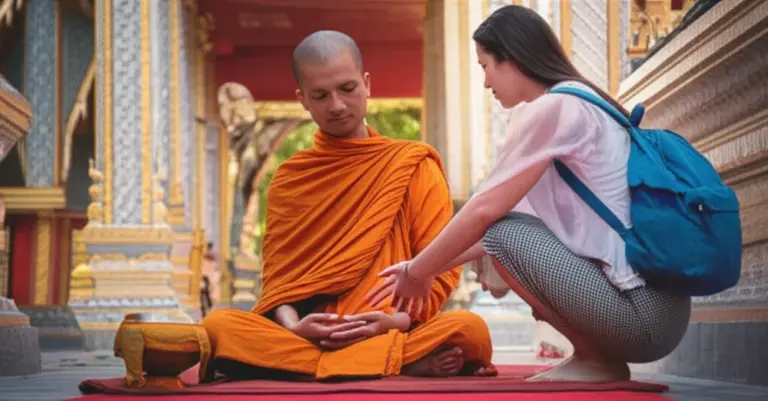
When visiting temples (wats), dress modestly, covering your shoulders and knees. Remove your shoes before entering temple buildings. Never point your feet at a Buddha image or a person, as feet are considered the lowest part of the body. Women should never touch a monk or hand anything directly to them; if an offering is to be made, it should be placed on a cloth or passed via a male. If you wish to take photos, always ask for permission, especially if it involves people, and do so respectfully without disrupting prayers or ceremonies.
Engaging with Local Communities
Thai people are generally very forgiving of cultural missteps by foreigners, but making an effort goes a long way. Greet people with a ‘wai’ (palms together, fingers pointing upwards, with a slight bow) and a ‘Sawasdee ka’ (for women) or ‘Sawasdee krab’ (for men). Always smile, as it’s a cornerstone of Thai communication. Avoid public displays of anger or excessive loudness. When bargaining, do so with a smile and good humor. Learn a few basic Thai phrases; locals appreciate the effort. Remember that the head is considered sacred, so never touch someone’s head, even a child’s.
Dress Code and Demeanor
Beyond temples, generally dress respectfully, especially in rural areas or when visiting local homes. While beachwear is acceptable on the beach, it’s not appropriate for towns or cities. Modesty reflects respect for the local culture. Keep your voice down in public places and avoid overly affectionate displays of public affection with your partner, as this is generally frowned upon in Thai society.
Avoiding Common Tourist Mistakes in Thailand
Even with the best intentions, tourists can inadvertently make mistakes. Being aware of common pitfalls can help you avoid them and ensure a smoother, more enjoyable trip for everyone.
Understanding Scams and Over-Tourism Pitfalls
While Thailand is generally safe, be wary of common scams, particularly around major tourist attractions. These can include tuk-tuk scams that take you to gem shops instead of your destination, or inflated prices for goods and services. Always agree on a price before getting into a taxi or tuk-tuk, or use metered taxis or ride-hailing apps like Grab. Additionally, be mindful of over-tourism. Popular spots can become overcrowded, leading to environmental degradation and a diminished experience. Consider visiting during the shoulder seasons or exploring lesser-known destinations to spread the tourist load and discover unique gems.
Environmental Responsibility
The beauty of Thailand’s natural environment is fragile. Minimize your environmental footprint by reducing plastic waste (e.g., carry a reusable water bottle), conserving water and electricity, and disposing of trash properly. Avoid disturbing wildlife or damaging coral reefs. Participate in eco-friendly activities and support businesses that demonstrate a commitment to environmental conservation.
Bargaining and Fair Prices
Bargaining is common in markets, but do so respectfully and with a sense of fun. Don’t push too hard for an extreme discount, as even a small amount can make a significant difference to a local vendor’s livelihood. Pay fair prices for goods and services, especially from small, independent businesses. Remember that you are a visitor, and while you might seek a good deal, your objective should not be to exploit local prices.
Watch: Ethical Tourism in Thailand – Helping Local Communities
This video provides further insights into how tourism can positively impact local communities when managed ethically.
Conclusion: Your Journey Towards Responsible Travel
Embarking on a journey of ethical tourism in Thailand is a rewarding experience that enriches not only your trip but also the lives of the people you meet and the places you visit. By choosing responsible tours, interacting with genuine respect, and consciously avoiding common mistakes, you become a part of the solution, contributing to sustainable tourism that benefits everyone. Your thoughtful choices pave the way for a more authentic, meaningful, and impactful adventure in the Land of Smiles.
คำถามที่พบบ่อย (FAQ)
References
- World Animal Protection: Animals in Tourism
- The Global Sustainable Tourism Council (GSTC)
- Tourism Authority of Thailand
- The Chiang Mai Alms Giving and Loy Krathong: How to Participate Respectfully
- Why these festivals matter: cultural significance and best times to visit Chiang Mai for alms giving and Loy Krathong
- Preparing respectfully: dress code, etiquette, and what to bring for morning alms giving and evening krathong ceremonies