Why Choose Ethical Elephant Sanctuaries? Understanding Rescue, Rehabilitation, and No-Ride Policies
- Why Choose Ethical Elephant Sanctuaries? Understanding Rescue, Rehabilitation, and No-Ride Policies
- The Plight of Elephants in Tourism: Why Rescue is Essential
- Defining Ethical Elephant Sanctuaries: More Than Just a Name
- A Journey to Healing: Rescue and Rehabilitation in Action
- Your Role in Responsible Tourism: Making an Impact
- What to Expect: An Authentic Encounter at an Ethical Sanctuary
- Conclusion
- คำถามที่พบบ่อย (FAQ)
Thailand, a land of vibrant culture and breathtaking landscapes, is also synonymous with its majestic elephants. For many visitors, an encounter with these gentle giants is a highlight of their trip. However, the true ethical implications of elephant tourism are often overlooked. Choosing Ethical Elephant Sanctuaries is not just a trend; it’s a vital decision that directly impacts the well-being of these incredible creatures and promotes responsible tourism in Thailand. This article delves into what makes a sanctuary truly ethical, focusing on their commitment to rescue, rehabilitation, and crucial no-ride policies.
The Plight of Elephants in Tourism: Why Rescue is Essential
For decades, elephants in Thailand have been exploited for entertainment and labor, often enduring horrific conditions. The traditional elephant riding camps, circus performances, and street begging are grim reminders of a past where these intelligent animals were subjected to brutal training methods, known as ‘phajaan’ or ‘crushing the spirit’. This process involves separating young calves from their mothers, confining them, and using starvation, beatings, and sleep deprivation to break their will. Once ‘trained’, they are forced to carry heavy saddles, perform unnatural tricks, or walk on hot asphalt, leading to physical ailments like spinal injuries, foot problems, and chronic stress.
Warning: The Dark Side of Elephant Tourism!
Many seemingly innocent tourist activities, such as elephant riding or bathing with elephants, often mask a history of abuse and ongoing suffering. Always research thoroughly before visiting any elephant attraction to ensure it aligns with ethical standards.
Defining Ethical Elephant Sanctuaries: More Than Just a Name
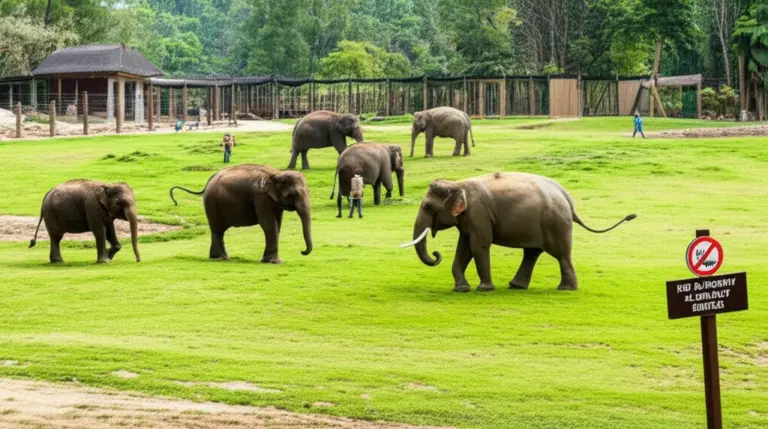
The term ‘sanctuary’ is unfortunately unregulated, allowing many establishments to use it without truly adhering to ethical principles. A genuine ethical elephant sanctuary prioritizes the elephants’ well-being above all else. This means providing a natural, spacious environment where elephants can roam freely, socialize, and express natural behaviors without human interference. Key indicators of a truly ethical sanctuary include:
- No-Ride Policies: This is perhaps the most crucial distinguishing factor. Elephants’ backs are not designed to carry humans, and riding often involves painful hooks (bullhooks) and coercive training.
- No Forced Performances: Elephants should not be made to paint, play sports, or perform any tricks.
- Hands-Off Approach: Minimal direct interaction, focusing on observation from a respectful distance. True sanctuaries allow elephants to be elephants.
- Commitment to Rescue and Rehabilitation: Their primary goal is to provide a safe haven for abused, injured, or elderly elephants.
- Education: They educate visitors about elephant welfare, conservation, and the issues facing these animals.
By choosing a sanctuary with a strict no-ride policy, you are directly contributing to the end of elephant exploitation in tourism.
A Journey to Healing: Rescue and Rehabilitation in Action
The work of Ethical Elephant Sanctuaries goes far beyond simply housing elephants. It’s a complex and often heartbreaking process of rescue and rehabilitation. Many rescued elephants arrive with severe physical injuries, deep psychological trauma, and chronic health issues from years of abuse. The dedicated teams at these sanctuaries provide immediate veterinary care, nutritious food, and a safe, natural environment. Rehabilitation involves allowing elephants to regain their natural instincts, socialize with other elephants, and simply live without fear or forced labor. This can take years, and for some, the emotional scars may never fully heal, but they are given the dignity and respect they deserve.
Witnessing the transformation of a rescued elephant, from a broken spirit to a thriving individual, is a testament to the power of compassion and ethical practices. These sanctuaries are not just tourist attractions; they are critical havens for elephants in need, actively working to reverse the damage caused by human exploitation. They offer a future where elephants can simply be elephants, free from the burden of performance or labor.
Your Role in Responsible Tourism: Making an Impact
As a tourist, your choices have immense power. By opting for ethical elephant sanctuaries, you are sending a clear message to the tourism industry that elephant exploitation is unacceptable. Your visit supports organizations that are genuinely committed to elephant welfare, conservation, and the education of future generations. This shift in demand encourages more establishments to transition away from harmful practices and towards humane alternatives. Furthermore, many ethical sanctuaries also contribute to local communities through employment and sustainable practices, creating a positive ripple effect.
How to Identify a Truly Ethical Sanctuary:
- Check Reviews: Look for consistent mentions of no riding, no bathing, and positive elephant behavior.
- Website Transparency: A good sanctuary will clearly state their policies on animal interaction and show how donations are used.
- Ask Questions: Don’t hesitate to inquire about their rescue stories, daily routines, and veterinary care.
What to Expect: An Authentic Encounter at an Ethical Sanctuary
Visiting an ethical elephant sanctuary offers a profoundly different experience than traditional tourist traps. Instead of riding, you might observe elephants from a distance as they forage, socialize, and bathe themselves in mud wallows or rivers. You may participate in preparing their food, like cutting fruit and vegetables, and then watch them enjoy their meal. Educational talks are a core component, providing insights into elephant communication, their individual histories, and the challenges of conservation. This hands-off, observational approach allows for a deeper, more respectful connection with these magnificent animals, fostering genuine appreciation rather than mere entertainment. It’s an experience that leaves a lasting positive impression, knowing you’ve contributed to their welfare.
Conclusion
The choice to support Ethical Elephant Sanctuaries is a powerful one for anyone traveling to Thailand. By understanding and advocating for rescue, rehabilitation, and strict no-ride policies, tourists can play a crucial role in transforming elephant tourism into a force for good. These sanctuaries offer a beacon of hope for countless elephants, providing them with a second chance at a life free from exploitation. Make your next trip to Thailand a truly responsible and memorable one by choosing to protect and respect its most iconic residents. Your ethical choice reverberates far beyond your personal experience, contributing to a more compassionate world for elephants.
คำถามที่พบบ่อย (FAQ)
Q1: Why is elephant riding considered unethical?
A1: Elephant riding is unethical because elephants’ spines are not designed to carry heavy loads, leading to permanent damage. Furthermore, the training process to make elephants accept riders, known as ‘phajaan’ or ‘crushing the spirit,’ involves severe physical and psychological abuse, breaking the elephant’s will through starvation, beatings, and confinement.
Q2: How can I tell if an elephant sanctuary is truly ethical?
A2: A truly ethical sanctuary will have a strict no-ride policy, no forced performances, and minimal direct human interaction (no bathing with elephants, no touching unless absolutely necessary for veterinary care). They prioritize the elephant’s well-being, focusing on rescue, rehabilitation, and providing a natural, spacious environment for elephants to roam freely and socialize.
Q3: What kind of activities can I expect at an ethical elephant sanctuary?
A3: At an ethical sanctuary, you can expect to observe elephants from a respectful distance as they exhibit natural behaviors like foraging, socializing, and mud bathing. You might participate in preparing their food, learn about their individual stories, and attend educational talks on elephant conservation. The focus is on learning and appreciation, not entertainment or direct interaction.
Q4: Do ethical sanctuaries offer opportunities to feed elephants?
A4: Some ethical sanctuaries may offer opportunities for visitors to participate in feeding elephants, but this is typically done in a controlled and supervised manner, often from a distance, to ensure the safety of both humans and elephants and to prevent over-familiarization. The primary goal is always the elephant’s welfare.
Q5: How does my visit to an ethical sanctuary help elephants?
A5: Your visit provides crucial financial support to these organizations, enabling them to continue their vital work of rescuing, rehabilitating, and caring for elephants. It also sends a strong message to the tourism industry that there is a demand for ethical animal encounters, encouraging more humane practices and contributing to the long-term conservation of elephants.