Designs, Motifs, and Symbolism: Meaning Behind Patterns, Color Usage, and Regional Variations
- Designs, Motifs, and Symbolism: Meaning Behind Patterns, Color Usage, and Regional Variations
Thailand is a country where art is inseparable from life, faith, and history. Every intricate pattern on a temple wall, every vibrant thread in a piece of silk, and every color choice in traditional clothing tells a story. For those interested in Thai cultural designs and symbolism, understanding these visual languages transforms a simple visit into a profound cultural journey. This guide will decode the fascinating meanings woven into Thai patterns, colors, and the distinct regional variations you will encounter across the Kingdom.
Unveiling Thai Cultural Designs and Symbolism
The traditional art of Thailand, often referred to as Lai Thai, is deeply rooted in Buddhist and Hindu cosmology. These patterns are not merely decorative; they serve as visual representations of spiritual concepts, mythical creatures, and the natural world. They are the core of Thai cultural designs and symbolism, found everywhere from temple murals (fāh pŭang) to everyday handicrafts. The predominant style is characterized by flowing, flame-like lines known as Kanok, which represents movement, vitality, and the celestial realm. [[1]](https://rooftopapp.com/blogs/exploring-thai-paintings)[[2]](https://www.uniqueurn.com/meaning-each-bencharong-design/)
The Sacred Geometry of Thai Motifs
Mythical creatures and natural elements dominate Thai motifs, each carrying a heavy symbolic load. Recognizing these figures is key to appreciating the narrative structure of Thai art.
The Majestic Naga and Garuda
- Naga (Serpent): The mythical water serpent is one of the most ubiquitous symbols. Often seen guarding temple entrances, its symbolism includes protection, prosperity, and a connection to water and the underworld. In some contexts, the Naga is associated with wealth and is a powerful symbol of the King. [[3]](https://www.youtube.com/watch?v=7wcCtJchBWg)
- Garuda (Eagle): The celestial bird-man, vehicle of the Hindu god Vishnu, is Thailand’s national emblem. It symbolizes the divine power and authority of the King, and its depiction is reserved for royal and government buildings, representing supreme power and loyalty. [[4]](https://www.youtube.com/watch?v=hzUOeSpffmQ)
Flora and Fauna: Lotus and Elephant
Beyond the mythical, nature provides deep symbolism. The Lotus Flower (Dok Bua) is a fundamental Buddhist symbol, representing purity, tranquility, and enlightenment, as it rises clean and beautiful from the mud. The Elephant (Chang) is revered for its strength, loyalty, and longevity, and is historically significant as a beast of burden, war, and royal transport. The White Elephant is particularly sacred, symbolizing royal power and the country’s prosperity. [[2]](https://www.uniqueurn.com/meaning-each-bencharong-design/)[[5]](https://www.youtube.com/watch?v=Nv5xQfgLAaw)
The Language of Color in Thai Art and Daily Life
Color usage in Thailand is governed by deep religious, royal, and astrological traditions. It goes far beyond aesthetics, influencing daily attire and ceremonial decoration.
| Color | Symbolism / Context | Significance |
|---|---|---|
| Gold/Yellow | Buddhism, Royalty, Monday | Enlightenment, Divinity, Purity, and the Monarchy (particularly the late King Rama IX). |
| White/Saffron | Buddhism, Religion | Purity, Peace, Humility (Saffron is the color of the monk’s robes). |
| Blue | Monarchy, Friday | The Institution of the Royalty (specifically Queen Sirikit, born on a Friday). |
| Red | Nation, Celebration | Bravery, the blood shed for the nation, and vitality (often used in festivals). |
The most unique aspect is the association of colors with the seven days of the week, stemming from Hindu cosmology. For instance, yellow is worn on Monday, and pink on Tuesday, a tradition still reflected in clothing choices, especially during royal events. [[6]](https://siamcrown.com/the-significance-of-colors-in-thai-traditional-outfits/)[[7]](https://thaicyclopedia.com/colourful-culture-the-hidden-meanings-of-colours-in-thailand/)
Regional Variations: A Tapestry of Thai Identity
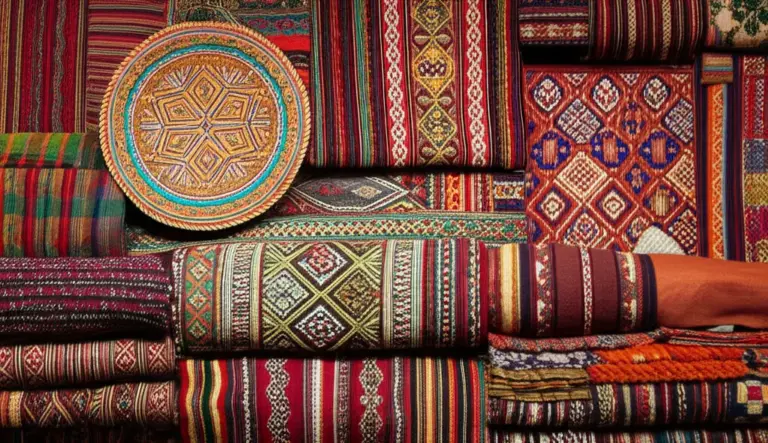
While central Thai art provides the foundation, textile patterns reveal the most distinct regional identities, reflecting local ecology, history, and craftsmanship. These textile traditions are a vital part of Thai cultural designs and symbolism.
Northern Thailand (Lanna): Simplicity and Nature
The Lanna (Northern Thai) style, centered around Chiang Mai, is often characterized by a more understated elegance. Textiles feature geometric patterns and motifs inspired by the mountainous landscape, such as mountains, clouds, and rice grains. The weaving techniques, like Teen Jok, are highly prized for their intricate supplementary weft patterns, frequently used to decorate the lower border of a sarong.
Northeastern Thailand (Isaan): Mudmee and Ikat
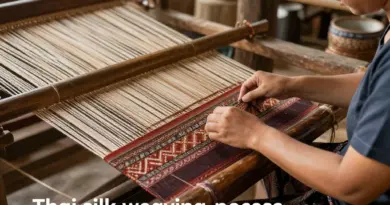
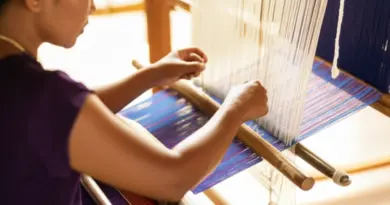
Isaan is the heartland of Thai silk and the renowned Mudmee (Ikat) technique. This process involves tie-dyeing the warp and/or weft threads before weaving, creating blurred, distinct patterns. Common motifs include the Naga, diamonds (symbolizing prosperity), and simplified natural forms. The colors are often bold and earthy, reflecting the rural and agricultural heritage of the region.
Southern Thailand: Batik and Coastal Influence
Influenced by its maritime neighbors, Southern Thailand is famous for its Batik cloth. Unlike the woven patterns of the North and Northeast, Batik is a wax-resist dyeing technique applied to the fabric. Patterns frequently depict sea life, local flowers, and geometric designs, using a brighter, more tropical color palette that reflects the coastal environment.
Conclusion: Carrying the Meaning Home
The world of Thai designs, motifs, and symbolism offers an endless source of fascination for any traveler. By taking the time to understand the meaning behind a pattern or the significance of a color, you gain a deeper appreciation for the country’s profound cultural heritage. Whether you are admiring the grandeur of a royal palace or purchasing a handwoven scarf, you are engaging with a centuries-old tradition that continues to thrive. This knowledge is your key to unlocking the true soul of Thailand.
คำถามที่พบบ่อย (FAQ)
What is the most common symbol in Thai cultural designs?
The most common symbol is the Naga (mythical serpent), which is frequently used to adorn temple railings, roofs, and entrances, symbolizing protection and water. The Lotus flower is also ubiquitous, representing Buddhist purity and enlightenment.
Why is the color yellow so important in Thailand?
Yellow is highly significant as it is associated with Monday, the day the late King Bhumibol Adulyadej (Rama IX) was born. It is a color of the Monarchy and also represents Buddhism, divinity, and purity. Many Thais wear yellow on Mondays or on royal occasions to show respect. [[7]](https://thaicyclopedia.com/colourful-culture-the-hidden-meanings-of-colours-in-thailand/)
What is the difference between Mudmee and Batik?
Mudmee (Ikat) is a weaving technique primarily from the Northeast (Isaan) where the threads are tie-dyed before they are woven, resulting in patterns with a characteristic blurred edge. Batik, found mostly in Southern Thailand, is a wax-resist dyeing technique applied directly to the finished cloth. Both are intricate textile arts but use different methods.
References
- The Significance of Colors in Thai Traditional Outfits – Siam Crown
- Colourful Culture: The Hidden Meanings of Colours in Thailand – ThaiCyclopedia
- Thai Patterns & The History of Thai Patterns – YouTube
- Exploring Thai Paintings – Rooftop
- The Unique Of Thai Artistic Patterns – UniqueUrn
- Thai Tattoo Explained | Understanding 10 Sak Yant Designs from Thailand – YouTube
- National Symbols of Thailand – YouTube
- What Does Each Design Mean? – UniqueUrn