How Thai Silk Is Made: Materials, Techniques, and Patterns
Understanding how Thai silk is made offers a fascinating glimpse into the heart of Thai heritage. This luxurious fabric is not merely a textile; it is a labor-intensive art form that has been perfected over centuries. For travelers visiting Thailand, appreciating the craftsmanship behind every shimmering yard of fabric adds a profound layer of meaning to this iconic souvenir.
The Origins and Materials: The Silkworm’s Role
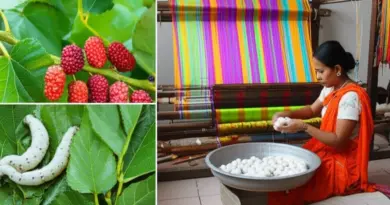
The process begins with the humble silkworm, specifically the Bombyx mori species. In Thailand, particularly in the northeastern region known as Isan, sericulture is a deeply rooted tradition. Farmers cultivate mulberry trees, which provide the essential leaves for the silkworms to feed on. As the silkworms grow, they spin cocoons made of long, continuous protein filaments. The quality of Thai silk is distinct because of these natural fibers, which are naturally yellowish or golden, giving Thai silk its signature warm, iridescent glow compared to the stark white silk produced elsewhere.
The Traditional Weaving Techniques
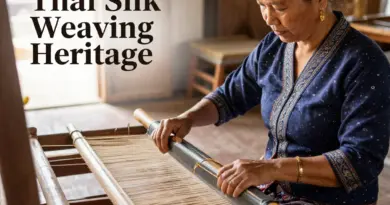
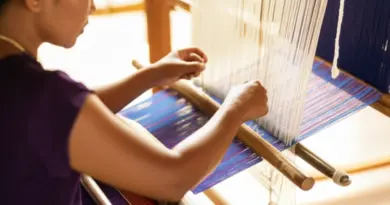
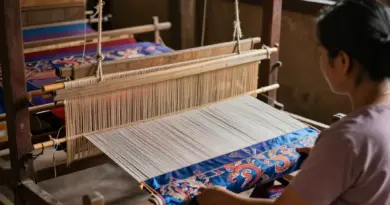
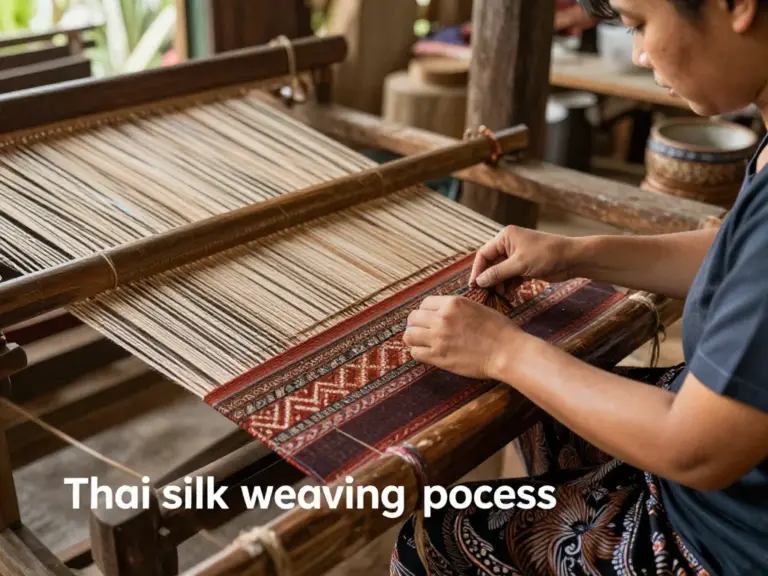
Once the cocoons are harvested, they are boiled to soften the sericin (a gum-like protein) and then reeled by hand. This manual reeling process is what gives Thai silk its unique ‘slubbed’ texture—a slight unevenness that proves the fabric was crafted by a human hand, not a machine. After the thread is extracted, it is cleaned, dyed using natural or synthetic pigments, and dried. The weaving process takes place on traditional handlooms, where skilled weavers interlace the warp and weft threads to create dense, durable, and lustrous fabric.
Iconic Thai Silk Patterns
Thai silk is famous for its complex patterns, many of which are passed down through generations. These patterns often reflect the local environment, religious beliefs, or royal history.
| Pattern Name | Description |
|---|---|
| Mudmee (Ikat) | Threads are tie-dyed before weaving, creating intricate, blurry geometric designs. |
| Lai Dok Kaew | A glass flower pattern often used in royal ceremonies. |
| Pha Yok | A brocade technique involving supplementary weft threads to create raised, intricate designs. |
The Mudmee technique, in particular, is a source of regional pride, especially in provinces like Khon Kaen. The precision required to align the tie-dyed threads during the weaving process to form a coherent image is nothing short of mathematical mastery.
Where to Experience Thai Silk Production
For tourists wishing to witness this art firsthand, visiting silk weaving villages in Northeastern Thailand is highly recommended. These communities often invite visitors to watch the reeling and weaving stages, providing a deeper connection to the items you purchase.
คำถามที่พบบ่อย (FAQ)
How can I tell if Thai silk is real?
Real Thai silk has a slight ‘slub’ or unevenness in the weave. If you hold it up to the light, you will see a natural, iridescent sheen. Machine-made synthetic silk is usually too perfect and lacks this natural texture.
Is Thai silk expensive?
Authentic, hand-woven Thai silk is considered a luxury item. While you can find affordable pieces, high-quality, intricate hand-loomed silk requires hundreds of hours of labor and is priced accordingly.
How should I care for my Thai silk garments?
It is best to dry clean Thai silk. If you must wash it, use a mild detergent in cool water, do not wring the fabric, and hang it to dry in the shade, away from direct sunlight.