Traditional Thai Arts and Crafts: A Guide to Silk Weaving for Cultural Preservation and Tourism Development
- Traditional Thai Arts and Crafts: A Guide to Silk Weaving for Cultural Preservation and Tourism Development
Thailand, the ‘Land of Smiles,’ is globally renowned not just for its stunning beaches and ancient temples, but also for its rich tapestry of traditional arts and crafts. At the heart of this cultural heritage lies **Thai Silk Weaving for Tourism**, an exquisite craft that intertwines economic development with the crucial mission of cultural preservation. This guide explores how this centuries-old tradition is being maintained and promoted, offering tourists a deep, authentic connection to the Kingdom’s soul.
Key Takeaway for Travelers
Purchasing authentic, hand-woven Thai silk directly supports rural weaving communities and contributes directly to the preservation of indigenous knowledge and techniques. Always look for certifications or purchase from reputable sources like the Queen Sirikit Institute or local cooperatives.
The Enduring Legacy of Thai Silk Weaving for Tourism
The story of modern Thai silk is inseparable from the American entrepreneur James H.W. Thompson, better known as Jim Thompson. After World War II, he recognized the exceptional quality of hand-woven Thai silk and its potential for the international market. By standardizing production, improving quality, and introducing vibrant color palettes, Thompson is credited with reviving a dying industry. His efforts not only saved an art form but also established a model for **Thai Silk Weaving for Tourism**, turning a local craft into a globally recognized luxury commodity. This success story paved the way for textile tourism in Thailand, attracting visitors keen to witness the meticulous process firsthand.
From Silkworm to Souvenir: The Art of Sericulture
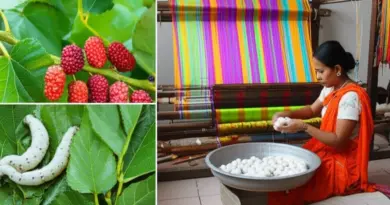
The journey of Thai silk begins with sericulture, the raising of silkworms. Unlike mass-produced silk, authentic Thai silk often utilizes the indigenous *Bombyx mori* silkworm, which produces a unique yellow cocoon. The threads are carefully reeled by hand, a process that preserves the natural luster and texture, contributing to the fabric’s characteristic slight sheen and subtle irregularities that attest to its handmade nature.
This initial stage is critical, and the dedication to traditional methods ensures the high quality and distinct feel of the final product. The use of natural dyes, derived from materials like indigo, bark, and leaves, is also a hallmark of traditional Thai weaving, creating rich, deep colors that are less prone to fading.
The Masterful Technique of Mudmee and Ikat
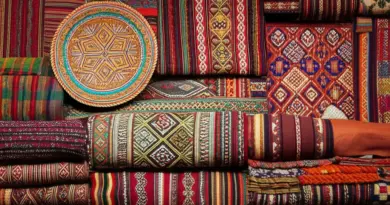
One of the most revered techniques in Thai weaving is *Mudmee* (or *Ikat*). This complex resist-dyeing method involves tying and dyeing sections of the warp or weft threads before the weaving process even begins. When woven, the dyed threads reveal intricate, blurred patterns that are unique to the weaver’s skill and regional tradition. The creation of a single Mudmee piece can take several months, demanding exceptional expertise and patience, qualities that underscore the value of this artisanal craft.
Key Regional Silk Centers: Isaan and Beyond
While silk is woven across Thailand, the northeastern region of Isaan (e.g., in provinces like Nakhon Ratchasima and Khon Kaen) is the undisputed heartland of Mudmee silk. Here, the weaving tradition is deeply embedded in the rural agricultural calendar and social structure. Other notable centers include Chiang Mai in the North, known for its intricate patterns and often a blend of Thai and Lanna styles, and the Ban Krua community in Bangkok, historically linked to Jim Thompson’s operations. These regional variations offer a diverse experience for textile tourists.
Silk Weaving as a Pillar of Cultural Preservation
The tradition of weaving is more than just a craft; it is a repository of Thai cultural heritage. Patterns often carry deep symbolic meaning, reflecting local folklore, religious beliefs, and social status. The royal family, particularly Her Majesty Queen Sirikit The Queen Mother, has played a monumental role in preserving this art through the SUPPORT Foundation. By commissioning and promoting traditional silk from rural communities, the foundation provides economic stability while ensuring that these ancestral skills are passed down to the next generation. This royal endorsement highlights the national significance of **Thai Silk Weaving for Tourism** and cultural identity.
| Regional Silk Styles | Key Characteristics |
|---|---|
| Isaan (Northeast) | Mudmee (Ikat) technique, geometric and flowing patterns, often bright colors. |
| Northern (Lanna) | Fine texture, intricate supplementary weft weaving, historical motifs. |
| Central/Southern | Often plain weaves, used for royal or ceremonial garments, rich solid colors. |
Promoting Sustainable Textile Tourism
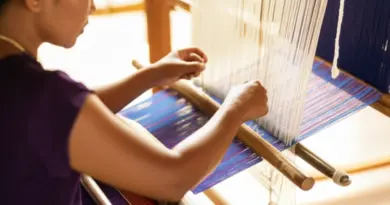
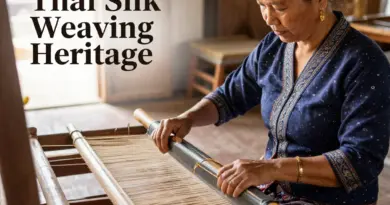
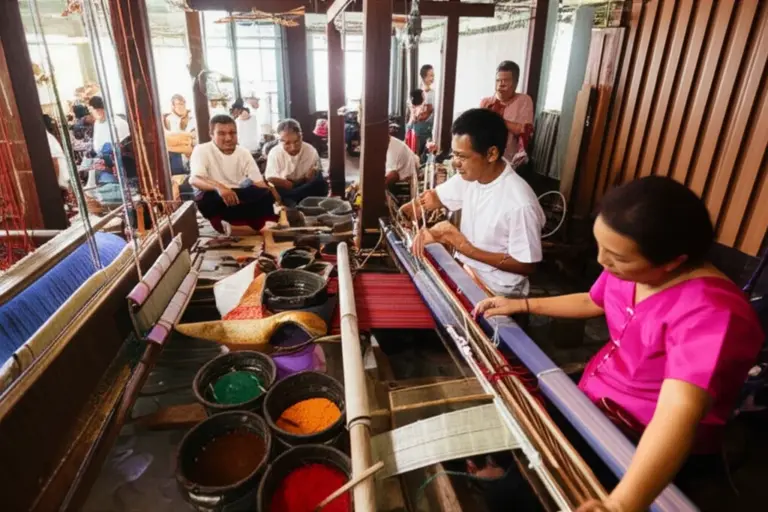
Textile tourism, centered around the silk industry, offers a sustainable model of travel. It encourages visitors to move beyond the major cities and explore the rural provinces, providing direct income to local artisans and fostering pride in their work. Tourists can engage in immersive experiences, such as visiting silk farms, watching the reeling and dyeing processes, and even trying their hand at the loom. This form of tourism supports local economies, reduces migration to urban areas, and ensures the long-term viability of the cultural practice.
Where to Experience and Purchase Authentic Thai Silk
For travelers interested in bringing home a piece of this cultural heritage, authenticity is key. The following venues are highly recommended:
- **The Queen Sirikit Museum of Textiles (Bangkok):** A fantastic starting point to understand the history and artistry of Thai textiles before purchasing.
- **Jim Thompson House Museum (Bangkok):** While the museum itself is a historical site, its retail outlets offer high-quality silk products.
- **Local Weaving Villages (Isaan):** For the most authentic experience and to support the weavers directly, visiting villages in provinces like Surin or Khon Kaen during a textile tour is highly rewarding.
- **OTOP (One Tambon One Product) Centers:** These government-supported initiatives ensure that products are sourced directly from rural communities and meet certain quality standards.
The journey of **Thai Silk Weaving for Tourism** is a testament to the nation’s commitment to its heritage. By engaging with this traditional art, tourists become active participants in the ongoing story of Thai cultural preservation.
คำถามที่พบบ่อย (FAQ)
References
- The Role of Queen Sirikit’s SUPPORT Foundation in Thai Textile Preservation
- History of Jim Thompson and the Revival of Thai Silk
- Mudmee Silk: The Art of Isaan Textile Weaving
- Sustainable Tourism Models in Thailand’s Handicraft Sector