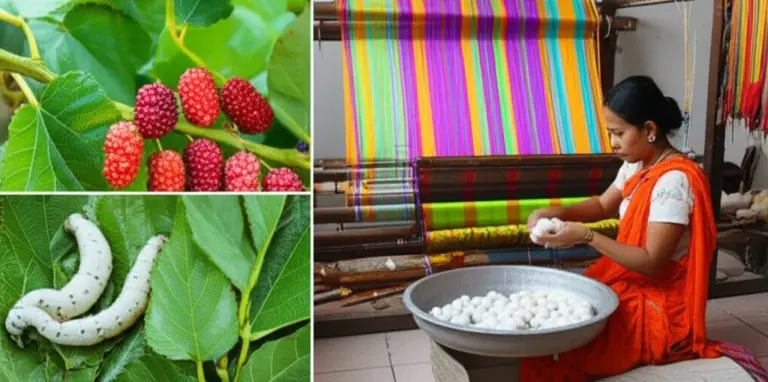
Materials and Techniques: Mulberry Cultivation, Silk Thread Production, and Traditional Weaving Methods
- Materials and Techniques: Mulberry Cultivation, Silk Thread Production, and Traditional Weaving Methods
The story of Thai silk is a mesmerizing narrative of nature, patience, and unparalleled craftsmanship. It is a journey that begins not in a factory, but in the fertile fields of rural Thailand, with the humble mulberry tree. For centuries, the entire process—from the initial **Mulberry Cultivation, Silk Thread Production, and Traditional Weaving Methods**—has been meticulously preserved, often by generations of women in the northeastern region of Isaan. Understanding these materials and techniques offers tourists a profound appreciation for the luxurious fabric that is a signature souvenir of the Kingdom.
Step 1: Sericulture – The Art of Mulberry Cultivation
Sericulture, the practice of raising silkworms for silk production, is foundational to Thai silk. It is a delicate ecosystem where the health of the silkworm directly depends on the quality of its food source: the mulberry leaf. This stage of the process, known as **Mulberry Cultivation, Silk Thread Production, and Traditional Weaving Methods**, is crucial, setting the stage for the quality of the final textile.
The Lifeline: Growing the Perfect Mulberry
Mulberry trees (Morus alba) are cultivated year-round in Thailand, often pruned low to encourage the growth of tender, succulent leaves—the exclusive diet of the silkworm. Farmers select specific varieties to ensure optimal nutritional content, which in turn influences the silk’s strength and luster. The leaves must be harvested fresh, multiple times a day, to provide the silkworms with a constant, high-quality food supply during their voracious larval stage. This dedication to farming excellence is the first testament to the quality of authentic Thai silk.
The Silkworm’s Role: From Egg to Cocoon
The silkworms, primarily *Bombyx mori* for white silk and a native Thai species for the prized golden silk, spend about 25 to 30 days consuming mulberry leaves. They grow rapidly, molting several times. Once mature, they begin spinning their cocoons, a process that takes 3 to 8 days. Each cocoon is a single, continuous strand of raw silk, known as ‘bave,’ held together by sericin, a gummy protein. The golden-colored cocoons, unique to certain Thai species, yield a naturally richer, more textured silk.
Step 2: Transforming Cocoons into Thai Silk Thread
The transformation from cocoon to thread is where the raw material is refined into the lustrous fiber known worldwide. This stage involves meticulous hand labor, preserving the natural strength and texture of the silk.
Reeling the Golden Fiber: Silk Thread Production
The cocoons are first boiled in water to loosen the sericin. The artisan then carefully finds the end of the filament and manually unwinds it. This **Silk Thread Production** process is often done by hand, pulling several strands together to create a single, usable thread. Unlike mechanically reeled silk, the hand-reeled Thai silk retains some of the sericin, giving it a characteristic slubbed texture, unique sheen, and a slightly rougher feel—hallmarks of authenticity. The thread is then washed, dried, and wound into skeins, ready for the next phase.
The Magic of Natural Dyes
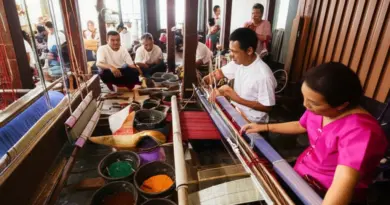
A defining characteristic of traditional Thai silk is the use of natural dyes derived from local plants, bark, and insects. Indigo from the *Indigofera tinctoria* plant, yellow from the **jackfruit** tree, and various shades of red from lac insects or sappan wood are commonly used. This eco-friendly dyeing process not only produces rich, subtle, and long-lasting colors but also connects the textile directly to the Thai landscape, offering a tangible piece of nature to the tourist.
Step 3: Traditional Weaving Methods and Regional Styles
| Region | Key Weaving Technique | Characteristic |
|---|---|---|
| Northeast (Isaan) | *Mudmee* (Ikat) | Tie-dyed patterns woven into the fabric, creating blurred, intricate designs. |
| North (Chiang Mai) | *Yok Dok* (Brokade) | Raised floral or geometric patterns woven into the fabric using supplementary weft threads. |
| Central/South | Plain Weave/Plaited | Simpler weaves, often used for solid-colored garments or specific regional textiles. |
Mudmee (Ikat) Weaving: A Patterned Legacy
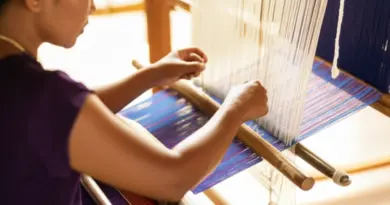
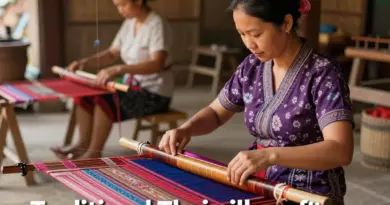
*Mudmee*, or Ikat, is the most celebrated of the **Traditional Weaving Methods** in Thailand, particularly in the Isaan region. The distinct feature of Mudmee is that the pattern is created by tie-dyeing the *warp* or *weft* threads (or both) *before* they are woven. The weaver wraps bundles of threads tightly with string to resist the dye, a process that requires immense precision and planning. When woven, the dyed threads produce a characteristic, slightly blurred pattern, making each piece a unique work of art. This technique ensures that the pattern is integrated into the very structure of the fabric, not merely printed on the surface.
The Complexity of Handloom Techniques
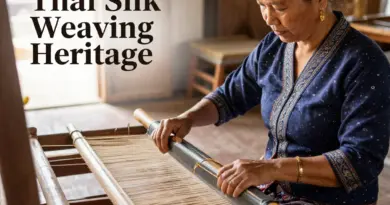
While Mudmee focuses on pre-dyed patterns, other traditional weaving methods, such as *Yok Dok* (a form of brocade), focus on creating texture and relief. *Yok Dok* involves using a complex handloom setup to raise specific warp threads, allowing a supplementary weft thread to be passed through, creating elaborate, raised floral or geometric motifs. These techniques are slow, labor-intensive, and require inherited skills, which is why the cost of handwoven Thai silk reflects the hundreds of hours of expertise invested. The entire process, from **Mulberry Cultivation, Silk Thread Production, and Traditional Weaving Methods**, is a testament to the enduring craft.
The Cultural and Economic Impact on Thai Tourism
For Thailand tourism, the silk industry represents a vibrant connection to the nation’s rural heartland. Visiting silk villages, such as those in Surin or Nakhon Ratchasima, allows tourists to witness every step firsthand—from the mulberry fields to the rhythmic clacking of the handlooms. This immersive experience not only supports local communities directly but also transforms a simple purchase into a meaningful cultural exchange. The high demand for authentic Thai silk ensures the continuation of these ancient practices and the livelihoods of thousands of artisans.
Conclusion: A Journey Woven in Time
Thai silk is far more than a luxury fabric; it is a cultural artifact, a symbol of national pride, and a tangible link to Thailand’s past. The meticulous **Mulberry Cultivation, Silk Thread Production, and Traditional Weaving Methods** ensure that each yard of silk carries the story of the land and the hands that created it. For any traveler seeking depth and authenticity, exploring the origins of Thai silk is an essential part of the Thailand tourism experience.
คำถามที่พบบ่อย (FAQ)
References
- Thai Fabric: History and Production Methods
- Thailand Guide: Understanding Thai Silk
- UNESCO: The Thai Silk Road Revival