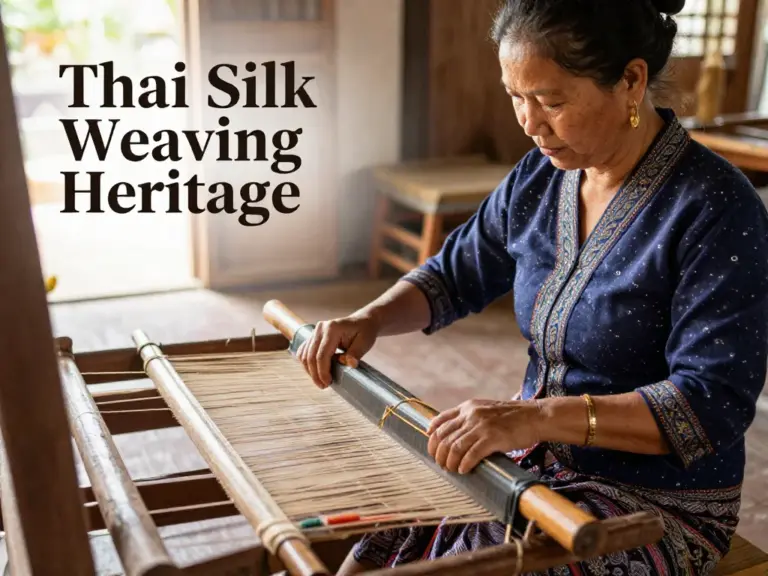
The History and Cultural Roots of Thai Silk Weaving
- The History and Cultural Roots of Thai Silk Weaving
- The Origins of Thai Silk Weaving
- The Golden Era and the Jim Thompson Revival
- Regional Differences and Craftsmanship
- The Role of Royal Support
- Visiting Thailand: Where to Find Authentic Silk
- คำถามที่พบบ่อย (FAQ)
- What makes Thai silk unique compared to other silks?
- Is Thai silk expensive?
- How can I identify authentic Thai silk?
For travelers exploring the Land of Smiles, few experiences are as evocative as witnessing the intricate art of Thai silk weaving. More than just a textile, Thai silk is a woven tapestry of history, royal patronage, and rural ingenuity. From the shimmering garments worn during traditional ceremonies to the modern luxury scarves found in Bangkok’s boutiques, understanding the cultural roots of this craft provides a deeper connection to the Thai way of life.
The story of Thai silk is one of resilience and revival. While the craft dates back centuries, it faced near-extinction in the mid-20th century, only to be saved by a combination of entrepreneurial vision and royal support. Today, it stands as a global symbol of Thai elegance and craftsmanship.
The Origins of Thai Silk Weaving
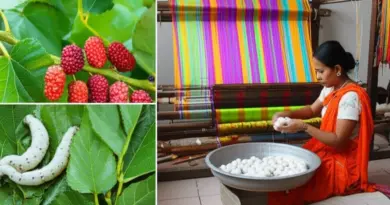
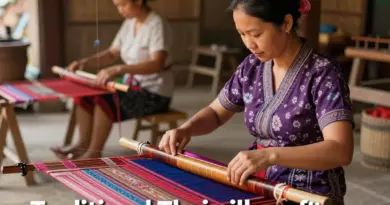
Archaeological evidence suggests that silk production in Thailand has existed for over 3,000 years, with findings in the Ban Chiang archaeological site indicating that early inhabitants were skilled in textile production. Historically, silk weaving was a domestic necessity rather than a commercial industry. Families in rural provinces, particularly in the Northeast (Isan region), reared silkworms and wove fabric for personal use, creating garments for religious festivals, weddings, and funerals.
The Golden Era and the Jim Thompson Revival
By the early 20th century, the influx of cheap, mass-produced textiles from abroad threatened to eradicate the traditional, labor-intensive practice of Thai silk weaving. The craft was fading until the post-World War II era, when an American architect named Jim Thompson arrived in Thailand. Fascinated by the unique textures and vibrant colors of hand-woven Thai silk, Thompson helped modernize the production process while preserving the traditional techniques.
Thompson introduced chemical dyes to create more consistent and vibrant color palettes and streamlined the weaving process to meet international standards. His efforts transformed Thai silk from a local cottage industry into a globally recognized luxury product. Today, visiting the Jim Thompson House in Bangkok remains a top recommendation for tourists wanting to understand this pivotal moment in Thai textile history.
Regional Differences and Craftsmanship
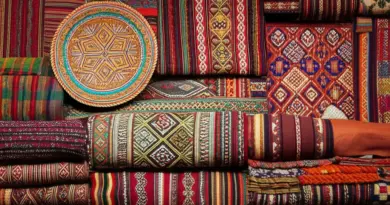
One of the most fascinating aspects of Thai silk is that it is not uniform across the country. Different regions have developed distinct styles, patterns, and weaving techniques that reflect their local culture:
- Isan (Northeast): Known for the famous Mudmee (ikat) technique, where threads are tie-dyed before weaving to create intricate geometric patterns.
- The North: Often features intricate brocade patterns, sometimes incorporating gold and silver threads, historically favored by the royal courts of Lanna.
- The South: Known for the Yok style, which uses a supplementary warp technique to create raised patterns, often featuring floral motifs.
The Role of Royal Support
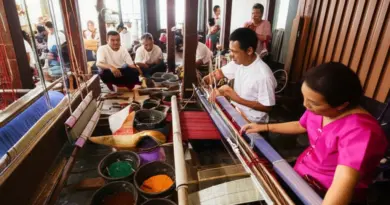
The survival of Thai silk is inextricably linked to the support of the Thai Royal Family. Queen Sirikit, the Queen Mother, played a monumental role in the 1960s by establishing the SUPPORT Foundation (Foundation for the Promotion of Supplementary Occupations and Related Techniques). This foundation encouraged rural villagers to continue weaving as a source of supplementary income, effectively preserving ancient techniques that were at risk of being lost to modernity.
Thanks to this royal patronage, Thai silk weaving is not just a relic of the past; it is a thriving, sustainable industry that empowers local communities and preserves cultural identity.
Visiting Thailand: Where to Find Authentic Silk
For tourists looking to purchase authentic, high-quality Thai silk, it is essential to visit reputable sources. Avoid “tourist traps” and instead look for products certified by the Peacock Emblem, which is the standard for high-quality Thai silk set by the Thai government.
| Location | Why Visit |
|---|---|
| Jim Thompson House, Bangkok | Historical context and high-end retail. |
| Chonnabot District, Khon Kaen | The heart of Isan silk weaving and Mudmee production. |
| Queen Sirikit Museum of Textiles, Bangkok | Incredible exhibitions on royal attire and silk history. |