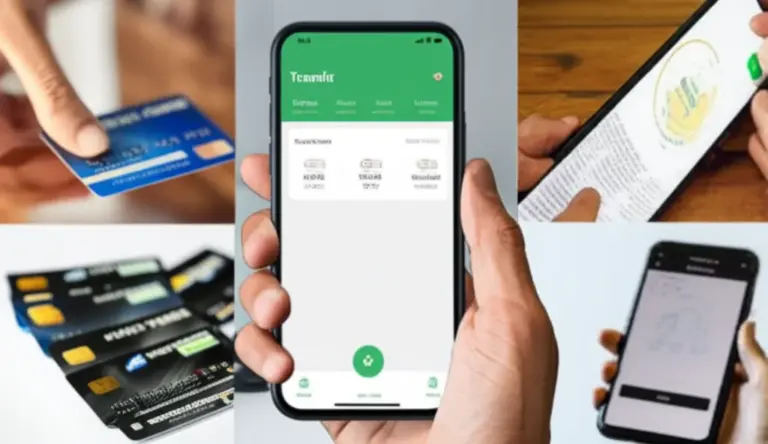
Using Money Day-to-Day: Paying for Transport, Tipping, Credit Cards vs Cash, Mobile Payments (PromptPay) and Budgeting Tips for Travelers
- Using Money Day-to-Day: Paying for Transport, Tipping, Credit Cards vs Cash, Mobile Payments (PromptPay) and Budgeting Tips for Travelers
Welcome to the Land of Smiles! As a traveler planning your finances, understanding how to handle transactions is crucial for a smooth trip. Successfully navigating Using Money Day-to-Day in Thailand involves balancing traditional cash usage with modern digital solutions like credit cards and the ubiquitous PromptPay system. This guide provides practical, expert advice on everything from paying for your commute to understanding local tipping etiquette and setting a smart budget.
Thai Baht and Exchange Rates
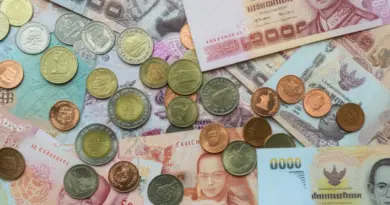
The official currency is the Thai Baht (THB). When exchanging currency, avoid airport kiosks if possible, as rates are often poor. Look for reputable exchange booths in major tourist areas or shopping malls, which typically offer competitive rates. SuperRich is a well-known provider offering excellent rates across Bangkok and other major cities.
ATM Usage and Fees
ATMs are widely available, even in smaller towns. However, be prepared for substantial fees. Thai banks typically charge a non-negotiable withdrawal fee of 220 THB (approx. $6.50 USD) per transaction, regardless of the amount. To minimize this cost, withdraw larger sums less frequently. Always choose to be charged in THB (decline the ATM’s conversion rate) to ensure your home bank provides the better exchange rate (Dynamic Currency Conversion, or DCC, is usually a bad deal).
Payment Methods for Travelers: Cash, Card, or Contactless?
Credit Cards vs. Cash: Where to Use Which
| Payment Method | Best Used For | Notes for Travelers |
|---|---|---|
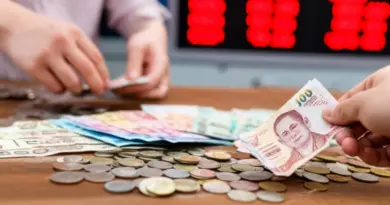
| Cash (THB) | Street food, markets, smaller guesthouses, local buses, taxis, tips. | Absolutely essential for daily small purchases. Carry small denominations (20, 50, 100 THB). |
| Credit/Debit Card | Hotels, large restaurants, major department stores, tour operators. | Visa and Mastercard are widely accepted. Amex less so. Ensure your card has low or no foreign transaction fees. |
| Mobile Payments (PromptPay) | Modern cafes, 7-Eleven, domestic transfers (if you have a local bank account). | Requires a Thai bank account or specific international app integration (currently limited for tourists). |
The Rise of Mobile Payments: Understanding PromptPay
PromptPay is Thailand’s national digital payment infrastructure, linking bank accounts to mobile numbers or IDs. While nearly every vendor, from large chains to small roadside stalls, displays a PromptPay QR code, using it directly is challenging for short-term tourists as it typically requires a Thai bank account. However, some international payment apps (like WeChat Pay or Alipay) are increasingly compatible with the PromptPay network, offering an alternative for travelers from specific regions.
Getting Around: Paying for Transport in Thailand
Transport payment methods vary significantly depending on the mode of travel and the city. Using Money Day-to-Day in Thailand often means juggling multiple payment types just to get across town.
City Transit (BTS/MRT) Payments
In Bangkok, the BTS Skytrain and MRT Subway are efficient. Traditionally, tickets were purchased using cash at vending machines. However, modern systems are improving:
- BTS: Accepts cash for single journey tickets. Many stations now accept major credit cards (Visa/Mastercard) for purchasing Rabbit Cards (stored value cards) or single tickets.
- MRT: Accepts cash for tokens. The MRT system is generally more limited in accepting international credit cards directly at the gates than the BTS.
Consider purchasing a day pass or a Rabbit Card if you plan extensive city travel to save time waiting in line.
Taxis, Grab, and Songthaews
Traditional metered taxis almost universally require cash. Always ensure the driver uses the meter. For convenience and fixed pricing, ride-hailing apps like Grab (Southeast Asia’s equivalent of Uber) are highly recommended. Grab allows you to link your international credit card for seamless, cashless payment, making it the easiest transport option for tourists.
Tipping Etiquette in Thailand
Tipping is not mandatory in Thailand, but it is appreciated, especially in tourist-heavy areas where service workers earn modest wages. Unlike in North America, a 15-20% tip is unnecessary.
- Restaurants: In high-end restaurants, a 10% service charge is often included. If not, rounding up the bill or leaving 50-100 THB is generous. For street food, tipping is not expected.
- Taxis: Simply rounding the fare up to the nearest 5 or 10 THB is common.
- Spa/Massage: For good service, 50-100 THB per hour is appropriate.
- Hotel Staff: 20-50 THB for bellhops or housekeeping is standard.
Essential Budgeting Tips for Your Thai Trip
Thailand offers incredible value, but costs can quickly escalate without careful planning. Here are some budgeting tips to ensure you maximize your Thai Baht while Using Money Day-to-Day in Thailand:
- Choose Local Transport: Instead of relying on expensive tourist vans, use local trains, buses, and ferries. A simple bus ride costs significantly less than a metered taxi.
- Eat Street Food: A meal at a quality street stall costs 40-70 THB, compared to 200-400 THB at a mid-range restaurant. It’s delicious and budget-friendly.
- Negotiate (Politely): Negotiation is standard practice in markets and for tuk-tuks (though less common for taxis). Always negotiate with a smile and good humor.
- Track Daily Spending: Use a simple budgeting app to monitor your cash expenditures, which tend to be the trickiest to track.
คำถามที่พบบ่อย (FAQ)
References
- Bank of Thailand (BOT) Official Site
- Rabbit Card Official Information (BTS Payment)
- Grab Thailand Services
- Money in Thailand: A Complete Guide to Thai Currency, Notes, Coins, Exchange Rates and Practical Tips for Travelers
- Understanding Thai Currency: Baht (THB) Basics, Denominations, and How to Identify Authentic Notes and Coins
- Exchanging Money in Thailand: Best Places to Exchange, How to Compare Exchange Rates, Fees, and When to Use ATMs vs Cash Exchanges