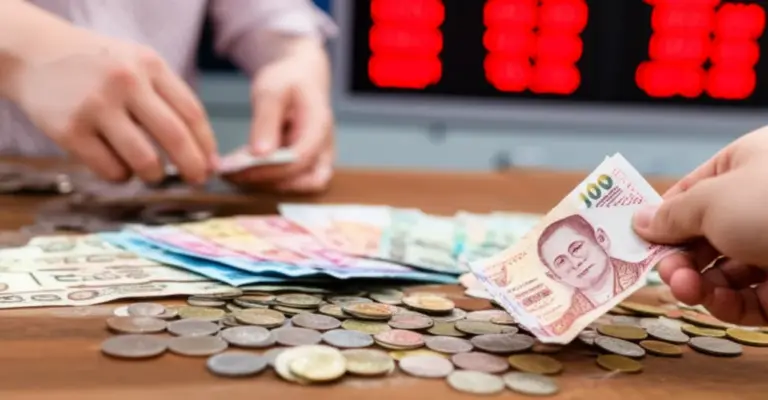
Money in Thailand: A Complete Guide to Thai Currency, Notes, Coins, Exchange Rates and Practical Tips for Travelers
- Money in Thailand: A Complete Guide to Thai Currency, Notes, Coins, Exchange Rates and Practical Tips for Travelers
- Understanding the Thai Baht (THB)
- Exchanging Currency and Handling Cash
- Using Digital and Plastic Money
- Practical Money Tips for Travelers
- คำถามที่พบบ่อย (FAQ)
- Should I exchange money before arriving in Thailand?
- Are credit cards widely accepted for transactions in Thailand?
- What is the maximum ATM withdrawal limit in Thailand?
- Is bargaining expected when paying for goods or services?
Welcome to the Land of Smiles! Navigating the financial landscape is crucial for a smooth trip. This comprehensive guide ensures you understand everything about handling money in Thailand, from the basic currency structure to securing the best exchange rates and mastering local payment methods. Whether you’re budgeting for street food or booking luxury resorts, knowing how to manage the Thai Baht (THB) effectively will enhance your experience significantly. Preparation is key to avoiding unnecessary fees and ensuring seamless travel across the kingdom.
Understanding the Thai Baht (THB)
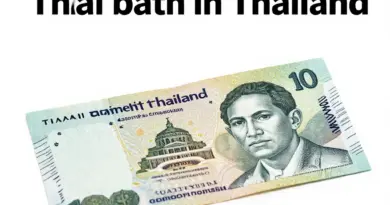
The official currency of Thailand is the Thai Baht (THB). It is used universally across the kingdom, from bustling markets in Bangkok to remote islands in the Andaman Sea. The Baht is divided into 100 Satang, though Satang coins are rarely used outside of large chain stores. While Thai currency is generally stable, exchange rates fluctuate daily, so always check reputable sources before converting large sums, especially if you are traveling during peak season.
Notes and Coins: What to Look For
Banknotes (The Baht)
- 20 Baht: Green, the smallest and most common note. Essential for small purchases and street food.
- 50 Baht: Blue, moderately useful for mid-range purchases.
- 100 Baht: Red, widely accepted and easy to break. This is your workhorse note.
- 500 Baht: Purple, often requires change for smaller vendors, so try to use these in restaurants or large shops.
- 1,000 Baht: Brown/Gray, the largest denomination. Use these only for large transactions (hotels, high-end restaurants, major purchases), as small shops may struggle to break them and may run out of change.
Coins (The Satang and Baht)
Keep a good supply of 10 Baht, 5 Baht, and 1 Baht coins, as these are necessary for vending machines, bus fares, and often for exact change in taxis. The 2 Baht coin can sometimes be confused with the 1 Baht coin, so pay attention to the size and color.
Exchanging Currency and Handling Cash
While Thailand is modernizing, cash remains king, especially outside major tourist hubs like Bangkok and Phuket. You will need THB for taxis, street vendors, small restaurants, and entry fees to many temples and national parks. Planning your currency exchange strategy is key to maximizing your budget.
Where to Get the Best Exchange Rates
Avoid exchanging large amounts at your home airport or upon arrival at Bangkok’s Suvarnabhumi Airport (BKK) unless absolutely necessary for immediate transport. The exchange booths immediately visible in the arrivals hall offer mediocre rates. The best rates are typically found at independent, reputable exchange booths in city centers, such as SuperRich Thailand or Vasu Exchange, which specialize in high-volume conversions. These typically offer rates significantly better than commercial banks.
Always bring crisp, clean, high-denomination bills (like $50 or $100 bills) from your home currency. Exchange booths offer a better rate for larger denominations than they do for smaller ones ($10 or $20 bills).
The Role of ATMs and Associated Fees
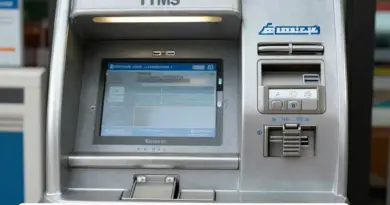
ATMs are ubiquitous, marked by colorful bank logos (Kasikorn Bank (KBank) is green, SCB is purple, Bangkok Bank is blue). However, using ATMs in Thailand comes with a mandatory fee charged by the local Thai bank, usually 220 THB per withdrawal, regardless of the amount. To minimize this cost, withdraw the maximum allowable amount (often 20,000 THB or 30,000 THB) at one time.
| Bank | ATM Fee (THB) | Max Withdrawal (THB) |
|---|---|---|
| Krungthai Bank (KTB) | 220 | 20,000 |
| Siam Commercial Bank (SCB) | 220 | 25,000 |
| Kasikorn Bank (KBank) | 220 | 30,000 |
Using Digital and Plastic Money
While cash dominates the informal economy, digital payments are rapidly growing, especially in Bangkok and major cities. Major hotels, large department stores, international restaurants, and modern shopping malls readily accept credit cards (Visa and Mastercard) and sometimes American Express. Always notify your home bank of your travel dates to avoid having your cards flagged for unusual activity.
Credit Cards and Contactless Payments
When using a credit card, beware of Dynamic Currency Conversion (DCC). This is when the merchant offers to charge you in your home currency. If offered the choice, always choose to pay in the local currency (THB) rather than your home currency. Paying in THB ensures your bank handles the conversion, which almost always results in a better exchange rate and saves you money.
Mobile Banking and E-Wallets
Thailand relies heavily on QR code payments, particularly the PromptPay system, which is linked to Thai bank accounts. While travelers cannot easily access PromptPay without a local account, major international e-wallets like Alipay and WeChat Pay are accepted in large tourist areas, catering primarily to Asian visitors. For Western tourists, carrying cash remains the most reliable method for daily small transactions.
Practical Money Tips for Travelers
Managing your budget efficiently is vital for making the most of your trip. Understanding local customs related to transactions and security ensures a worry-free vacation. The key to handling money in Thailand successfully is balancing strategic card usage with adequate cash on hand, especially smaller bills.
Tipping Etiquette and Bargaining Culture
Tipping is not mandatory but is certainly appreciated, as service wages can be low. In high-end restaurants, a 10% service charge is often included (check your bill). For street food, taxis, and small services, rounding up or leaving 20-40 THB is a kind gesture. Bargaining is expected in markets (like Chatuchak Weekend Market) and when negotiating prices for tuk-tuks or long-tail boats. Aim for a 10-20% discount, but always maintain a friendly and respectful demeanor.
Safety and Security
Thailand is generally safe, but common sense applies to currency handling. Do not flash large wads of cash. Utilize hotel safes for excess money and passports. When using an ATM, be aware of your surroundings and check for skimming devices, especially in remote locations. Always carry enough small notes (20 THB and 50 THB) to avoid issues with vendors who cannot break large bills, which can sometimes lead to minor disputes or delays.
While rare, counterfeit 1,000 THB notes exist. Exchange money only at licensed banks or reputable booths. Examine large notes carefully; genuine notes have raised ink and watermarks. If you are suspicious of a note, refuse it politely and ask for a replacement.
คำถามที่พบบ่อย (FAQ)
Here are answers to frequently asked questions about handling currency during your trip to Thailand.
References
- Bank of Thailand Official Website
- Tourism Authority of Thailand
- Major Thai Currency Exchange Services
- Understanding Thai Currency: Baht (THB) Basics, Denominations, and How to Identify Authentic Notes and Coins
- Exchanging Money in Thailand: Best Places to Exchange, How to Compare Exchange Rates, Fees, and When to Use ATMs vs Cash Exchanges
- Using Money Day-to-Day: Paying for Transport, Tipping, Credit Cards vs Cash, Mobile Payments (PromptPay) and Budgeting Tips for Travelers