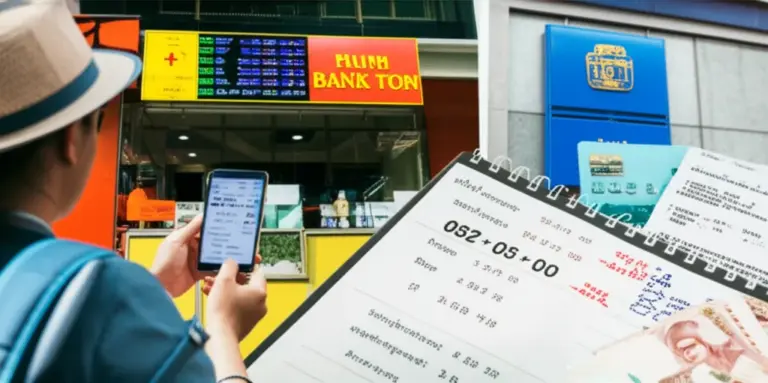
Exchanging Money in Thailand: Best Places to Exchange, How to Compare Exchange Rates, Fees, and When to Use ATMs vs Cash Exchanges
- Exchanging Money in Thailand: Best Places to Exchange, How to Compare Exchange Rates, Fees, and When to Use ATMs vs Cash Exchanges
Welcome to Thailand! As you prepare to explore the Land of Smiles, one of the most critical steps in budgeting your trip is understanding the best way of Exchanging Money in Thailand. Getting this wrong can cost you hundreds, if not thousands, of baht in poor rates and unnecessary fees. This comprehensive guide, written by long-term residents and financial travel experts, will equip you with the knowledge to maximize your Thai Baht (THB) and ensure your funds last longer.
Cash Exchange vs. ATMs: The Ultimate Comparison
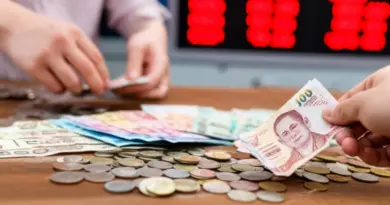
When traveling, the fundamental choice is always between withdrawing local currency directly from an ATM or exchanging physical cash at a dedicated booth. In Thailand, the choice is clear: cash exchange often reigns supreme, provided you know where to go.
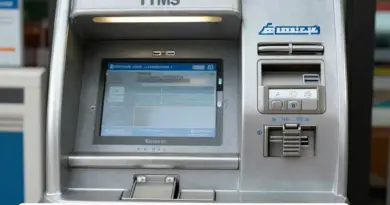
Thai ATMs are ubiquitous and convenient, accepting most international cards (Visa, Mastercard). However, they come with a hefty caveat: the standard Thai bank transaction fee. Regardless of the amount you withdraw, most Thai banks charge a mandatory 220 THB (approximately $6 USD) fee per transaction.
| Feature | Cash Exchange (Specialist Booths) | ATM Withdrawal |
|---|---|---|
| Exchange Rate | Excellent (Often 1-3% better than bank rates). | Good, but offset by fees. |
| Fees | None (or minimal commission on rare occasions). | 220 THB minimum per transaction + your home bank’s foreign transaction fee. |
| Convenience | Requires finding a booth, usually open 9 AM–6 PM. | 24/7 access everywhere. |
| Safety | Carrying large amounts of cash required. | Safer, as you withdraw smaller amounts as needed. |
Where to Find the Best Exchange Rates in Thailand
For tourists focused on maximizing every dollar, pound, or euro, knowing the specific locations that offer superior rates is key. Forget the major banks and focus on the specialists.
Specialist Exchange Booths: The Rate Kings
The undisputed champions of currency exchange in Thailand are the independent, specialist companies. These kiosks operate on high volume and slim margins, consistently beating the major banks. The most famous include:
- SuperRich Thailand (Green & Orange): Found primarily in Bangkok, particularly near major transport hubs like BTS stations (e.g., Chit Lom, Siam) and the airport rail link. They consistently offer the best rates.
- Vasu Exchange: Located near Nana BTS station in Bangkok, known for highly competitive rates, often rivaling SuperRich.
- Other Local Kiosks: In tourist areas like Phuket, Chiang Mai, and Pattaya, look for non-bank exchange shops that display their rates prominently. They usually offer better rates than the big blue, yellow, or purple bank branches.
Airport Exchanges: A Necessary Evil
While the main bank counters at Suvarnabhumi (BKK) or Don Mueang (DMK) airports offer poor rates, there are exceptions. Look for the SuperRich or Kasikorn Thai (KBank) booths in the basement or lower levels of the airport, specifically the ones catering to staff. These often provide rates significantly better than the ones located right outside the arrival gates. Only exchange a small amount (2,000–3,000 THB) here, just enough for transport.
How to Compare Exchange Rates Like a Pro
Exchange rates fluctuate daily. To ensure you are getting the best deal when Exchanging Money in Thailand, use a simple three-step process:
- Check the Mid-Market Rate: Use a reliable currency app (like XE or Google) to find the current interbank rate (the true baseline).
- Compare the Buy Rate: When you are selling foreign currency to the booth, you look at their ‘Buy’ rate. A good booth should be within 1-2% of the mid-market rate.
- Use a Comparison App: Apps like SuperRich’s own platform or general Thai exchange rate comparison websites update rates in real-time, allowing you to walk to the best-rated kiosk nearby.
When to Use Credit Cards and Digital Payments
While cash is king for street food, markets, and smaller guesthouses, major hotels, department stores, and high-end restaurants readily accept credit cards. If you have a travel credit card that charges zero foreign transaction fees, using it for large purchases can be highly efficient, as the exchange rate provided by the card network (Visa/Mastercard) is usually very competitive—often better than cash exchanges.
คำถามที่พบบ่อย (FAQ)
Should I exchange money at the airport?
Only exchange a small amount (2,000–3,000 THB) at the airport, specifically at the specialist booths (like SuperRich) located on the lower levels, not the main bank counters in the arrivals hall. Save your major exchange for the city center where rates are significantly better.
What is Dynamic Currency Conversion (DCC)?
DCC is an option offered by ATMs or merchants to charge your card in your home currency instead of Thai Baht. You must decline DCC and always choose to be charged in THB. Accepting DCC guarantees a poor exchange rate, adding hidden fees to your transaction.
Are US Dollars or Euros better to bring for exchange?
Both USD and EUR are readily accepted at excellent rates across Thailand. Historically, USD $100 bills often receive marginally better rates than other currencies due to global liquidity, but the difference is minimal. The most important factor is bringing large, crisp, undamaged notes.
Do I need to bring my passport to exchange money?
Yes. All legal and reputable currency exchange booths in Thailand require you to present your physical passport for identification and record-keeping purposes before they can process your exchange.
What is the standard ATM withdrawal fee in Thailand?
The standard fee charged by Thai banks for using a foreign card is 220 THB per transaction. Some banks have recently experimented with slightly higher fees (up to 250 THB), but 220 THB remains the most common charge.
References
SuperRich Thailand Official Website
Bank of Thailand (Official Exchange Rate Data)
Visa International Exchange Rate Calculator
- Money in Thailand: A Complete Guide to Thai Currency, Notes, Coins, Exchange Rates and Practical Tips for Travelers
- Understanding Thai Currency: Baht (THB) Basics, Denominations, and How to Identify Authentic Notes and Coins
- Using Money Day-to-Day: Paying for Transport, Tipping, Credit Cards vs Cash, Mobile Payments (PromptPay) and Budgeting Tips for Travelers