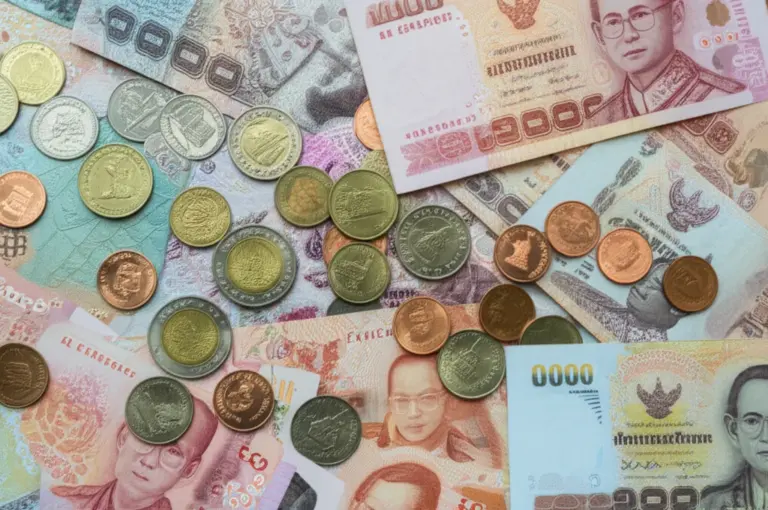
Understanding Thai Currency: Baht (THB) Basics, Denominations, and How to Identify Authentic Notes and Coins
The Thai Baht (THB) is the official currency of the Kingdom of Thailand. It is represented by the symbol ฿ and the ISO code THB. As a traveler, familiarity with this currency is crucial for everything from purchasing street food to paying for transportation. Unlike some destinations where US Dollars or Euros are widely accepted, Thailand primarily operates in Baht, making quick recognition of its forms vital for daily transactions.
Thai Baht Denominations: Notes and Coins
The current series of Thai banknotes and coins all feature portraits of the reigning monarch, His Majesty King Maha Vajiralongkorn Phra Vajiraklaochaoyuhua (Rama X), or previous monarchs. It is extremely important to handle all currency with respect, as it bears the image of the King, which is highly revered in Thai culture.
Banknotes: A Guide to Thai Bills
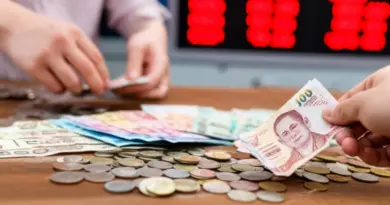
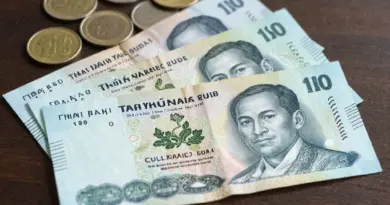
Thai banknotes come in five main denominations, easily distinguishable by color and size. Knowing these colors is the quickest way to verify the amount being exchanged or paid.
| Denomination | Primary Color | Approximate Value (USD) | Usage Context |
|---|---|---|---|
| 20 Baht (฿20) | Green | ~ $0.55 | Small purchases, street food, short taxi rides. |
| 50 Baht (฿50) | Blue | ~ $1.40 | Mid-range meals, entrance fees. |
| 100 Baht (฿100) | Red | ~ $2.80 | Most common bill for daily transactions. |
| 500 Baht (฿500) | Purple | ~ $14.00 | Hotel deposits, larger restaurant bills. |
| 1,000 Baht (฿1,000) | Brown/Beige | ~ $28.00 | Best used for bank exchanges or major purchases. Avoid using for small purchases, as vendors may lack change. |
Coins: Satang and Baht
The Thai Baht is divisible into 100 satang. While satang coins (25 and 50 satang) exist, they are primarily used in large supermarkets or official pricing (like gas stations) and rarely used in street markets or small shops. The most common coins you will encounter are:
- 1 Baht: Smallest silver coin.
- 2 Baht: Available in both silver and brass/bronze colors.
- 5 Baht: Medium silver coin with a copper ring.
- 10 Baht: Bi-metallic coin (silver center, copper ring).
Identifying Authentic Thai Baht: Security Features
Counterfeit money is rare in Thailand, but travelers should still be aware of the security features, particularly when handling 500 and 1,000 Baht notes received from non-bank sources. The Bank of Thailand integrates sophisticated features to ensure note security.
Key Security Markers to Check (Feel, Look, Tilt)
- Watermark: Hold the note up to the light. A clear, three-dimensional portrait of the King and the denomination number should be visible.
- Security Thread: A metallic thread is woven into the paper. On the 100, 500, and 1,000 Baht notes, this thread changes color when tilted.
- Raised Intaglio Print: The portrait of the King, the denomination numbers, and the Thai text are printed using a special technique that feels distinctly raised or rough to the touch. This is the easiest feature to check.
- Color-Shifting Ink: On the reverse side, certain features (like the Thai pattern) will change color when the note is tilted.
- See-Through Register: There are incomplete patterns printed on the front and back of the note that, when held up to the light, perfectly align to form the complete pattern or denomination number.
Visual Guide to THB Security
For a detailed visual demonstration of the security features found on Thai Baht banknotes, watch this official guide:
Practical Tips for Handling Money in Thailand
Successfully managing your money while traveling in Thailand involves knowing where and how to exchange currency, and understanding local payment customs.
Currency Exchange Best Practices
While you can exchange currency at the airport, the best rates are usually found at exchange booths (like SuperRich or specialized kiosks) located in major tourist areas and city centers. Avoid exchanging large amounts at hotels, which typically offer poor rates. Always count your Baht immediately after the transaction and keep the receipt.
Tipping and Small Change
Tipping is not mandatory but highly appreciated for good service, especially in tourist-focused restaurants, spas, and hotels. Generally, rounding up the bill or leaving 5–10% is customary. Always carry smaller denominations (20, 50, and 100 Baht notes) to pay for street food and taxis, as vendors often struggle to break 1,000 Baht bills.
By taking the time to master these basics, your Understanding Thai Currency will translate directly into smoother, more enjoyable travel experiences throughout the Kingdom. Knowing the security features will protect you, and understanding the denominations will speed up transactions, allowing you to focus on the beauty of Thailand.
คำถามที่พบบ่อย (FAQ)
References
- Money in Thailand: A Complete Guide to Thai Currency, Notes, Coins, Exchange Rates and Practical Tips for Travelers
- Exchanging Money in Thailand: Best Places to Exchange, How to Compare Exchange Rates, Fees, and When to Use ATMs vs Cash Exchanges
- Using Money Day-to-Day: Paying for Transport, Tipping, Credit Cards vs Cash, Mobile Payments (PromptPay) and Budgeting Tips for Travelers