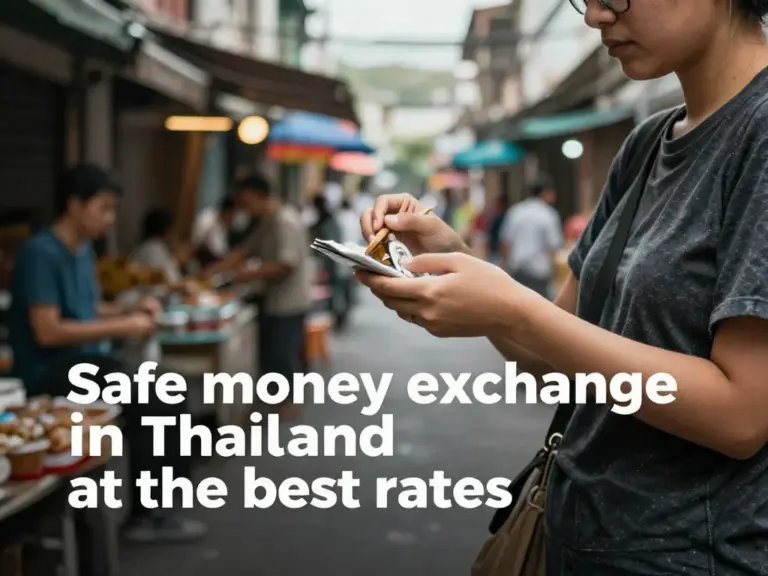
How to Exchange Money in Thailand Safely and at the Best Rates
Planning a trip to the Land of Smiles? One of the most common stressors for travelers is managing finances. Figuring out How to Exchange Money in Thailand Safely and at the Best Rates is crucial to maximizing your travel budget. Whether you are navigating the bustling streets of Bangkok or lounging on the islands of Phuket, understanding the local currency landscape will save you significant money and prevent unnecessary headaches.
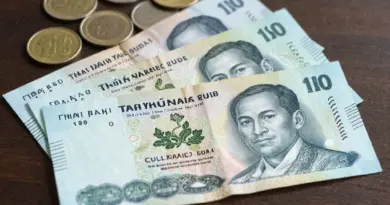
The Thai Baht (THB) is the official currency. While digital payments are growing, cash remains king in many markets, street food stalls, and remote areas. This guide breaks down exactly how to handle your finances effectively so you can focus on enjoying your holiday.
Understanding Currency Exchange in Thailand
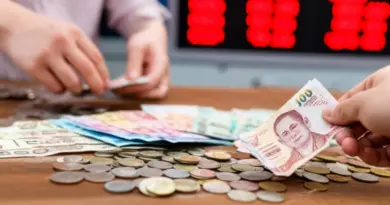
When you arrive, you will notice various options for exchanging cash. Not all are created equal. Airports, while convenient, often offer the poorest exchange rates. Unless you absolutely need cash for an immediate taxi or SIM card, it is generally wiser to wait until you reach the city center.
Using ATMs: The Balanced Approach
For most travelers, using ATMs is the most convenient way to access cash. However, there is a catch: Thai ATMs charge a flat fee for foreign cards, usually around 220 THB (approx. $6 USD) per withdrawal. This fee is on top of whatever your home bank charges.
To mitigate this, always withdraw the maximum amount allowed by the machine. By making one large withdrawal instead of several small ones, you minimize the impact of that flat fee. Additionally, always choose the option to be charged in the local currency (THB) rather than letting the ATM perform a dynamic currency conversion, which usually results in a very poor exchange rate.
Best Places for Exchanging Money
| Method | Convenience | Exchange Rate |
|---|---|---|
| Airport Booths | High | Low |
| Bank Branches | Medium | Good |
| SuperRich/Private Booths | Medium | Excellent |
| ATMs | Very High | Good (minus fees) |
Safety Tips for Carrying Cash
Thailand is generally a safe country, but it is always smart to practice good travel habits. Never carry all your cash in one wallet. Distribute your money between your wallet, a hidden money belt, and even a backup stash in your hotel safe. When at an ATM, always check for card skimmers—give the card slot a quick wiggle before inserting your card, and shield the keypad when entering your PIN.
คำถามที่พบบ่อย (FAQ)
Is it better to bring USD or EUR to Thailand?
Both USD and EUR are widely accepted at exchange booths. However, ensure your banknotes are in pristine condition. Banks and exchange booths in Thailand may refuse or offer lower rates for bills that are torn, marked, or heavily worn.
Can I use my credit card everywhere in Thailand?
Credit cards are accepted in major malls, hotels, and upscale restaurants. However, small local vendors, street markets, and public transport usually require cash. Always carry some Baht with you.
Should I exchange money before arriving in Thailand?
It is rarely recommended to exchange money in your home country. You will almost certainly get a better rate once you arrive in Thailand, especially if you visit a reputable exchange house in a city center.
What is the “Dynamic Currency Conversion” trap?
This occurs when an ATM or card machine asks if you want to be charged in your home currency or Thai Baht. Always choose the local currency (THB). Choosing your home currency allows the machine operator to set an unfavorable exchange rate, which is almost always more expensive for you.